
 HONG KONG SAUL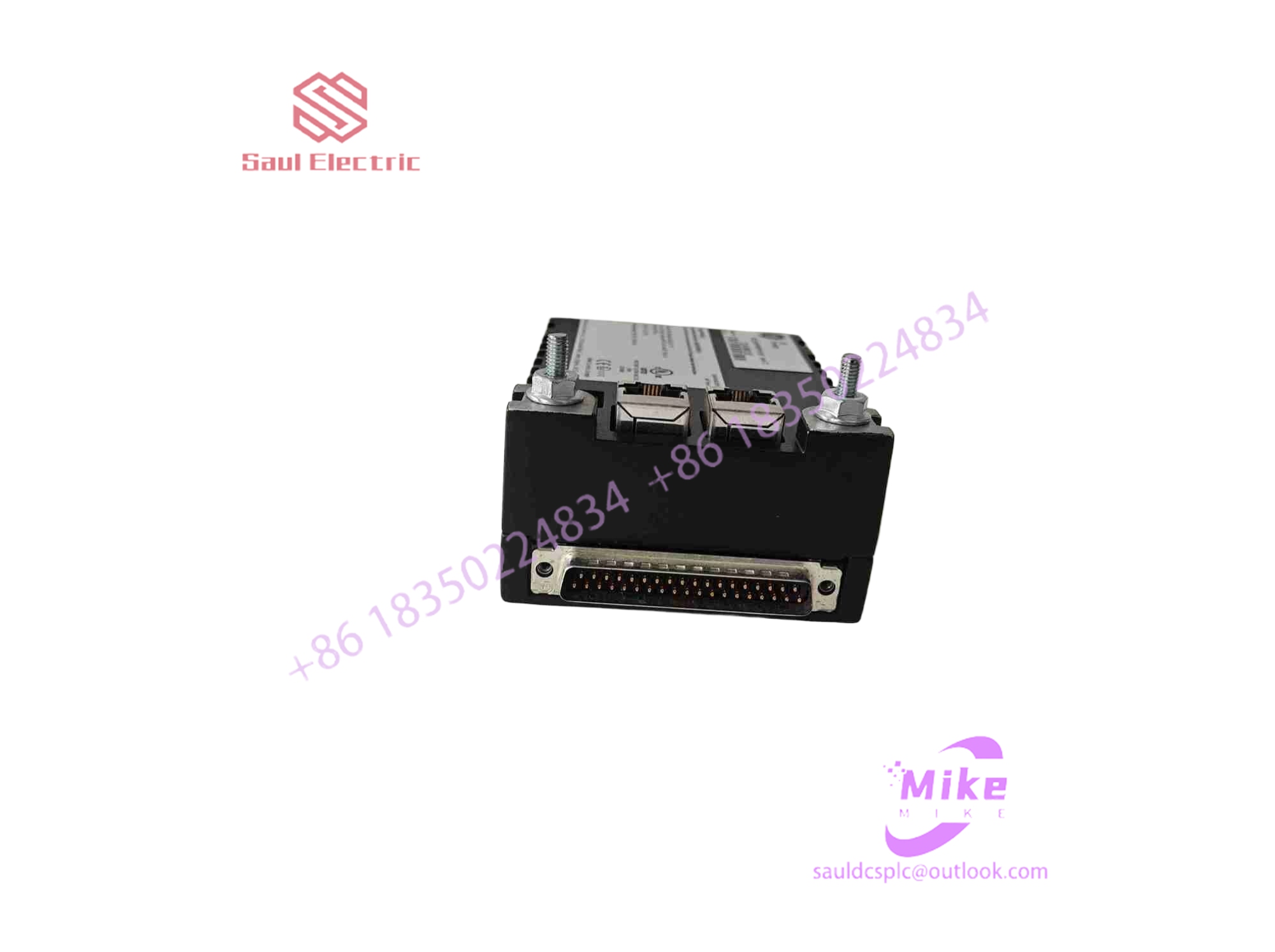

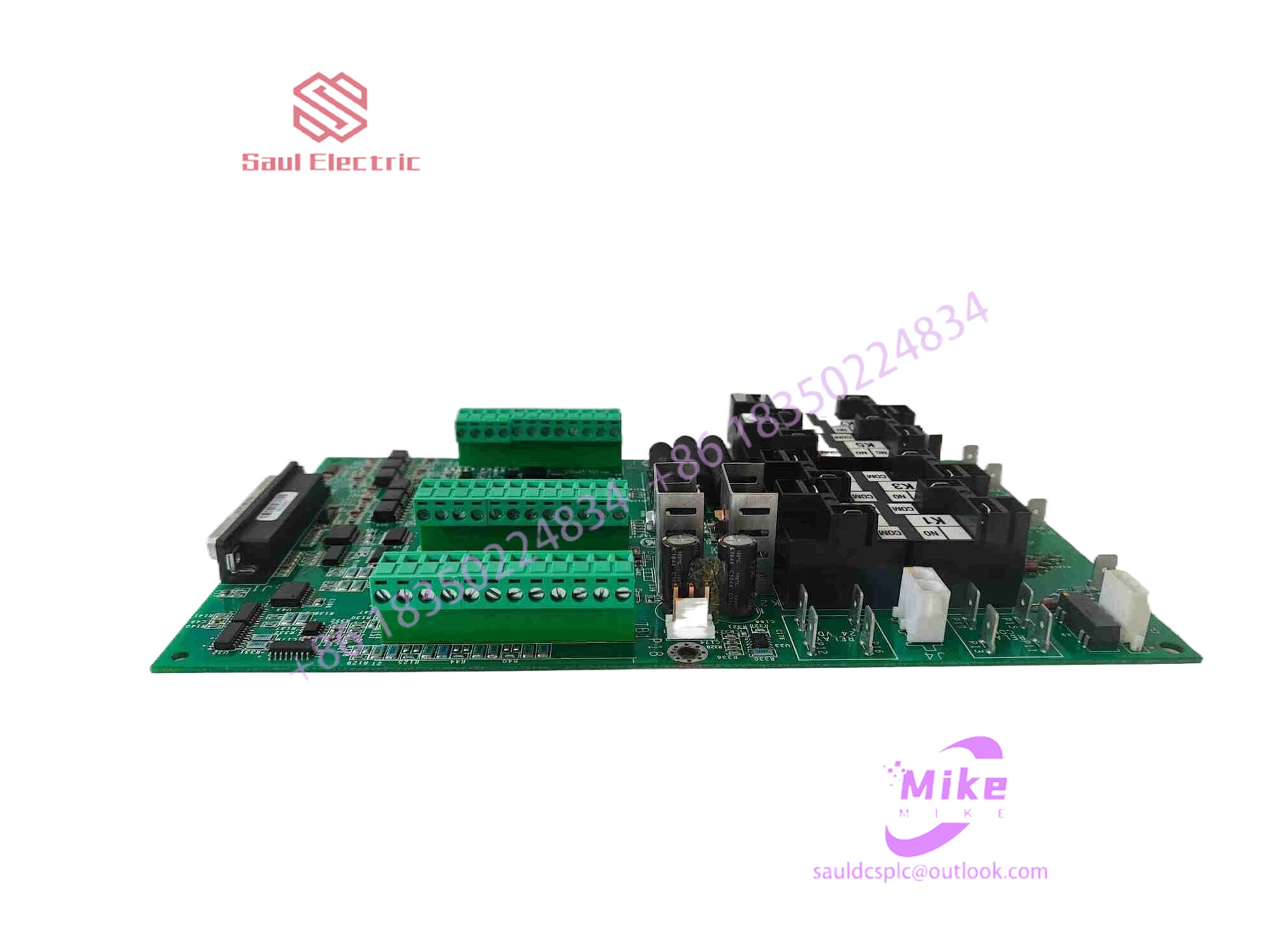
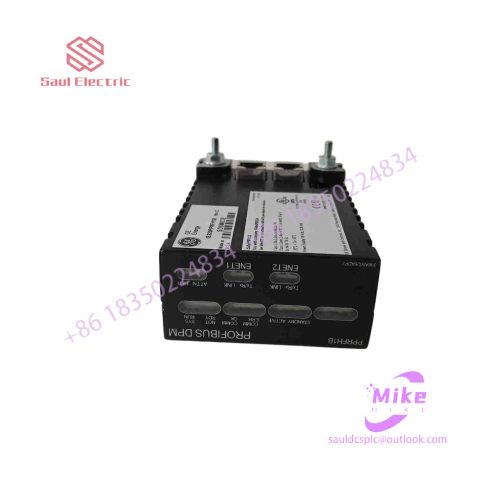
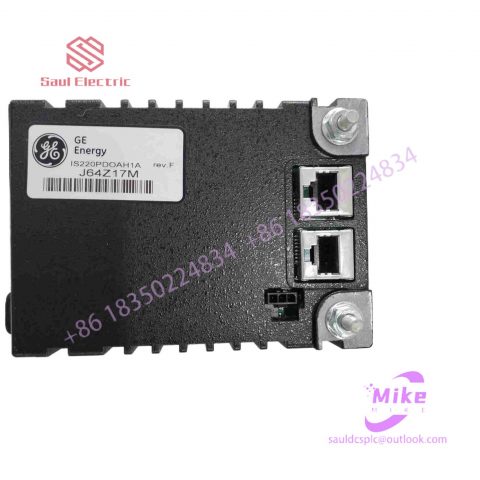
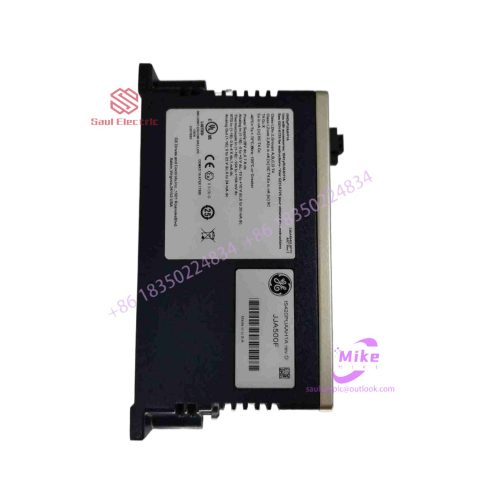
DS200DENCF1ADC Mark VIe Speedtronic
DS200DENCF1ADC Product Introduction
Basic Information
Brand: GE (General Electric)
Model:DS200DENCF1ADC
Part Number: DS200DENCF1ADC
Series: Mark VIe Speedtronic Turbine Control System I/O Pack
Country of Origin: United States
Product Type: Discrete Input Module (Contact Input Module), also known as PDIA I/O Pack
 Functional Overview
The DS200DENCF1ADC is a 24-channel discrete (digital) input module in the GE Mark VIe control system. Its primary function is to collect discrete signals (contact open/close signals) generated by field devices such as sensors,
switches, and relays, convert them into digital signals that can be recognized and processed by the PLC or control system CPU,
and transmit the processed data to the GE Speedtronic turbine control system or other control equipment, enabling automated control and monitoring. Key Technical Specifications
Rated Voltage: 24.0 VDC (Nominal)
Maximum Rated Voltage: 28.6 VDC
Maximum Rated Contact Input Voltage: 32 VDC
Number of Input Channels: 24 Discrete Inputs
Operating Temperature Range: -30°C to +65°C
Environmental Adaptability: Passes rigorous environmental testing, capable of long-term stable operation in harsh industrial environments Compatible Terminal Boards
The DS200DENCF1ADC can be paired with a variety of GE terminal boards, including but not limited to:
IS200STCIH1A / IS200STCIH2A
IS200STCIH8A
IS200TBCIH2C / IS200TBCIH4C
IS400STCIH1A / IS400STCIH2A / IS400STCIH8A
IS400TBCIH2C Certifications and Safety
This module is UL certified and can be used in both hazardous and non-hazardous locations. The UL certification covers various classes and divisions, and relevant UL mark documents are available for reference.
2. Development Trend of Touch Screen
1. Embedded touch screen structure
At present, touch screens basically adopt a plug-in structure. The display module and touch module of this structure are two relatively independent devices, and then the two devices are integrated through the back-end lamination process. However, this relatively independent plug-in type The structure will affect the thickness of the product, which is not in line with the development trend of increasingly thinner and lighter touch display products. This gave rise to the concept of in-line touch screens. The in-line structure embeds the touch module into the display module, so that the two modules are integrated into one, instead of being two relatively independent devices. Compared with the traditional plug-in structure, the advantages of the in-line structure are: only 2 layers of ITO glass are required, the material cost is reduced, the light transmittance is improved, and it is thinner and lighter; there is no need for the back-end bonding of the touch screen module and the TFT module. , improve the yield rate; the touch screen group and the TFT module are produced at the same time, reducing the transportation cost of the module. In-cell touch screens can be divided into two types: In-cell technology and On-cell technology.
The definitions of the two technologies are slightly different, but the principles are similar. They both embed the touch screen in the LCD module. In-cell technology integrates the touch screen under the color filter. Since the touch sensor is placed inside the LCD panel and occupies part of the display area, part of the display effect is sacrificed. It also complicates the process and makes high yield difficult to achieve. . On-cell technology integrates a touch screen on a color filter. Instead of embedding a touch sensor inside the LCD panel, it only needs to form a simple transparent electrode between the color filter base plate and the polarizing plate, which reduces the technical difficulty. The main challenge of on-cell is the amount of noise that the display couples to the sensing layer. Touch screen components must use sophisticated algorithms to handle this noise.
On-cell technology provides all the benefits of integrating a touch screen into a display, such as making the touch panel thinner and lighter and significantly reducing costs. However, the overall system cost reduction is still far less than that of Incell technology. The concept of embedded technology was first proposed by TMD in 2003. Subsequently, Sharp, Samsung , AUO, LG and other companies successively proposed this concept and published some research results. However, due to technical problems, they were not able to be commercialized. . In-line touch screens have been developed for nearly 10 years, and there is still a certain distance from commercialization. However, in-line touch screens represent the future development direction of touch screens. Manufacturers that actively reserve in-line technology will compete in the future market. in a relatively favorable position.
2. Multi-touch technology
In 2007, Apple implemented the multi-touch function through projected capacitive technology. This function provided an unprecedented user experience and reflected the difference from other touch technologies at the time, making multi-touch technology a market trend. At present, multi-touch technology has developed from being able to only realize two-finger zooming, three-finger scrolling and four-finger shifting to supporting more than 5-point touch recognition and multiple input methods. In the future, multi-touch technology will Achieve more detailed control of screen objects and develop in a more flexible direction.
3. Hybrid touch technology
Although there are many types of touch technologies at present, each technology has its own advantages and disadvantages, and no technology is perfect. In recent years, some people have begun to propose the concept of hybrid touch technology, that is, using two or more touch recognition technologies on a touch surface to achieve the purpose of complementing the advantages and disadvantages of multiple touch technologies. A hybrid touch screen based on capacitive and resistive touch screens has been developed. The touch screen can be operated by a stylus and fingers, supports multi-touch, etc., which significantly improves the recognition efficiency of the touch screen.
As users’ requirements for touch technology continue to increase, single touch technology will definitely not be able to meet people’s needs, so hybrid touch technology will definitely become one of the development directions of touch technology in the future.

There are no reviews yet.