
 HONG KONG SAUL

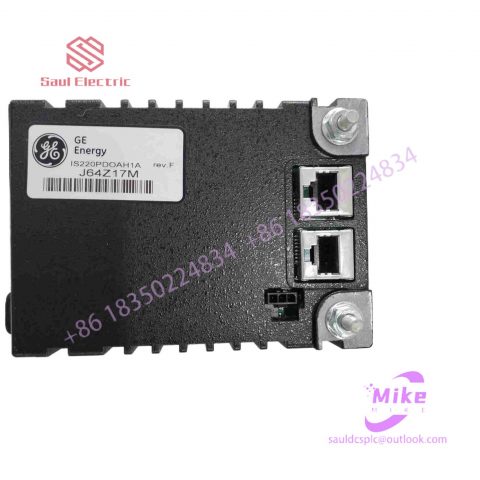
DS200DENCF2BCC Mark VIe Control System
DS200DENCF2BCC Product Introduction
Basic Information
Brand: GE (General Electric)
Model:DS200DENCF2BCC
Part Number: DS200DENCF2BCC
Series: Mark VIe Speedtronic Turbine Control System I/O Pack
Country of Origin: United States
Product Type: Discrete Input Module (Contact Input Module), also known as PDIA I/O Pack
contacts: Mike
+86 18350224834 (WeChat/WhatsApp)
Email:Mike18350224834@gmail.com
 Functional Overview
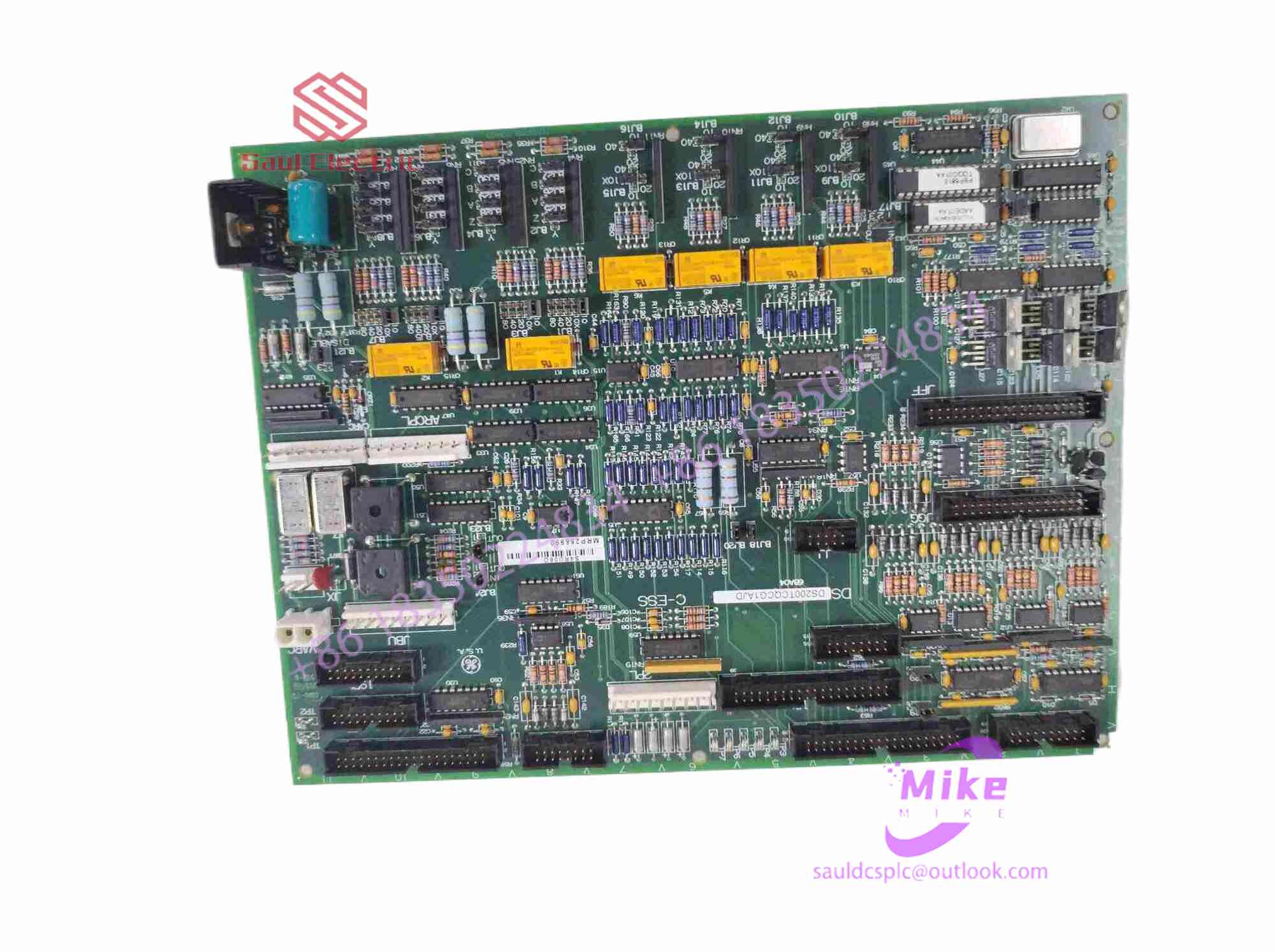
The DS200DENCF2BCC is a 24-channel discrete (digital) input module in the GE Mark VIe control system. Its primary function is to collect discrete signals (contact open/close signals) generated by field devices such as sensors,
switches, and relays, convert them into digital signals that can be recognized and processed by the PLC or control system CPU,
and transmit the processed data to the GE Speedtronic turbine control system or other control equipment, enabling automated control and monitoring. Key Technical Specifications
Rated Voltage: 24.0 VDC (Nominal)
Maximum Rated Voltage: 28.6 VDC
Maximum Rated Contact Input Voltage: 32 VDC
Number of Input Channels: 24 Discrete Inputs
Operating Temperature Range: -30°C to +65°C
Environmental Adaptability: Passes rigorous environmental testing, capable of long-term stable operation in harsh industrial environments Compatible Terminal Boards
The DS200DENCF2BCC can be paired with a variety of GE terminal boards, including but not limited to:
IS200STCIH1A / IS200STCIH2A
IS200STCIH8A
IS200TBCIH2C / IS200TBCIH4C
IS400STCIH1A / IS400STCIH2A / IS400STCIH8A
IS400TBCIH2C Certifications and Safety
This module is UL certified and can be used in both hazardous and non-hazardous locations. The UL certification covers various classes and divisions, and relevant UL mark documents are available for reference.
2 Leveraging big data tool chains
After the data collected from the manufacturing product value chain is stored in the database, a data analysis system is required to analyze the data. The manufacturing data analysis system framework is shown in Figure 1. Data is first extracted, transformed, and loaded (ETL) from different databases into a distributed file system, such as Hadoop Distributed File System (HDFS) or a NoSQL database (such as MongoDB). Next, machine learning and analytics tools perform predictive modeling or descriptive analytics. To deploy predictive models, the previously mentioned tools are used to convert models trained on historical data into open, encapsulated statistical data mining models and associated metadata called Predictive Model Markup Language (PMML), and Stored in a scoring engine. New data from any source is evaluated using models stored in the scoring engine [9].
A big data software stack for manufacturing analytics can be a mix of open source, commercial, and proprietary tools. An example of a manufacturing analytics software stack is shown in Figure 2. It is known from completed projects that existing stack vendors do not currently offer complete solutions. Although the technology landscape is evolving rapidly, the best option currently is modularity with a focus on truly distributed components, with the core idea of success being a mix of open source and commercial components [10].
In addition to the architecture presented here, there are various commercial IoT platforms. These include GE’s Predix ( www.predix.com ), Bosch’s IoT suite (www.bosch-iot-suite.com), IBM’s Bluemix ( www.ibm.com/cloud-computing/ ), ABB based on Microsoft Azure IoT services and people platform (https://azure.microsoft.com) and Amazon’s IoT cloud (https://aws.amazon.com/iot). These platforms offer many standard services for IoT and analytics, including identity management and data security, which are not covered in the case study here. On the other hand, the best approaches offer flexibility and customizability, making implementation more efficient than standard commercial solutions. But implementing such a solution may require a capable data science team at the implementation site. The choice comes down to several factors, non-functional requirements, cost, IoT and analytics.

There are no reviews yet.