
 HONG KONG SAUL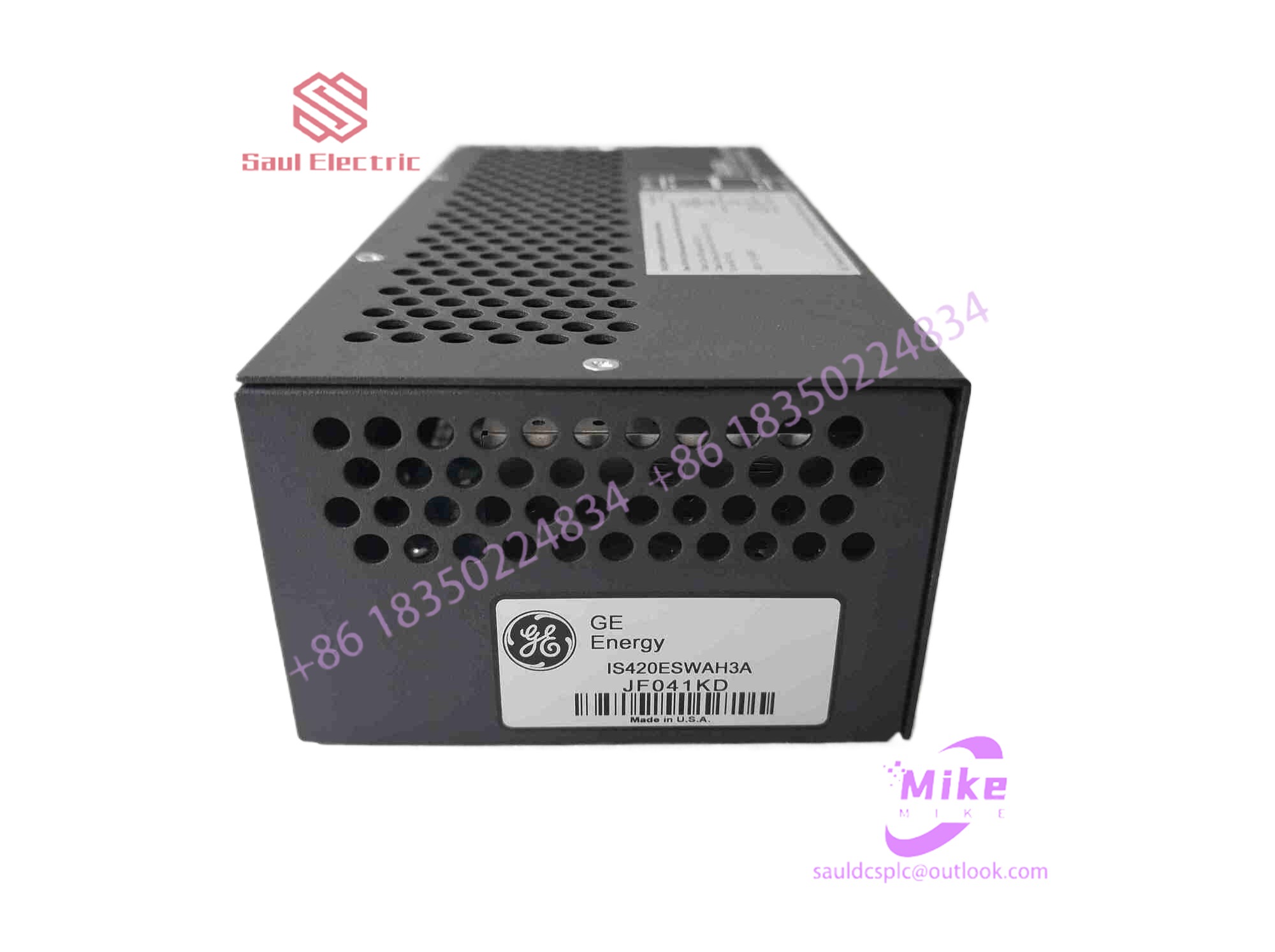

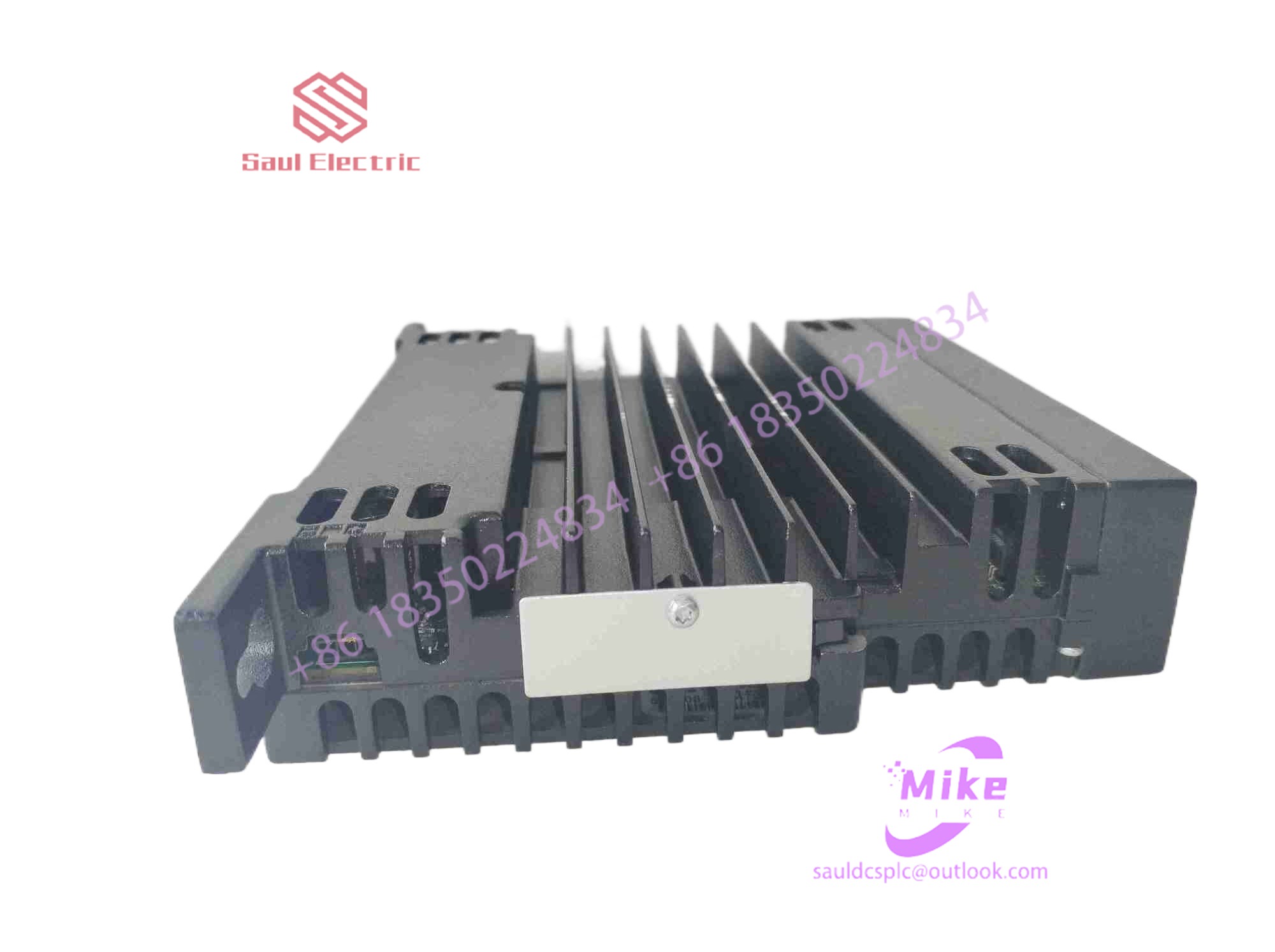
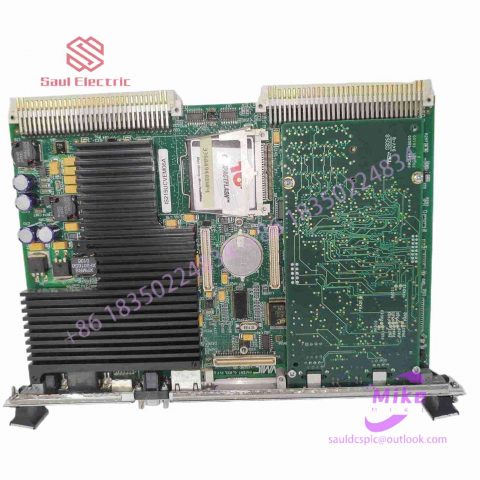
DS200DTBBG1 Turbine Control System
DS200DTBBG1 Product Introduction
Basic Information
Brand: GE (General Electric)
Model:DS200DTBBG1
Part Number: DS200DTBBG1
Series: Mark VIe Speedtronic Turbine Control System I/O Pack
Country of Origin: United States
Product Type: Discrete Input Module (Contact Input Module), also known as PDIA I/O Pack
contacts: Mike
+86 18350224834 (WeChat/WhatsApp)
Email:Mike18350224834@gmail.com
 Functional Overview
The DS200DTBBG1 is a 24-channel discrete (digital) input module in the GE Mark VIe control system. Its primary function is to collect discrete signals (contact open/close signals) generated by field devices such as sensors,
switches, and relays, convert them into digital signals that can be recognized and processed by the PLC or control system CPU,
and transmit the processed data to the GE Speedtronic turbine control system or other control equipment, enabling automated control and monitoring. Key Technical Specifications
Rated Voltage: 24.0 VDC (Nominal)
Maximum Rated Voltage: 28.6 VDC
Maximum Rated Contact Input Voltage: 32 VDC
Number of Input Channels: 24 Discrete Inputs
Operating Temperature Range: -30°C to +65°C
Environmental Adaptability: Passes rigorous environmental testing, capable of long-term stable operation in harsh industrial environments Compatible Terminal Boards
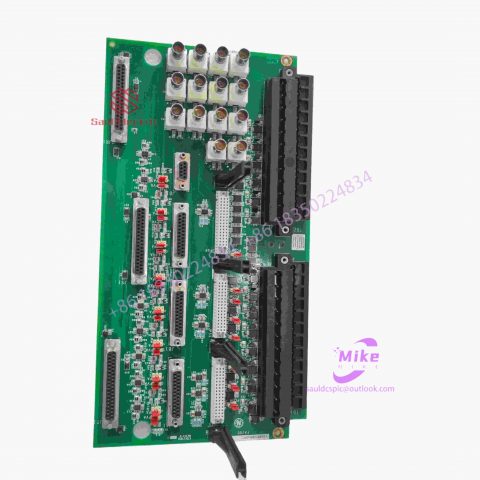
The DS200DTBBG1 can be paired with a variety of GE terminal boards, including but not limited to:
IS200STCIH1A / IS200STCIH2A
IS200STCIH8A
IS200TBCIH2C / IS200TBCIH4C
IS400STCIH1A / IS400STCIH2A / IS400STCIH8A
IS400TBCIH2C Certifications and Safety
This module is UL certified and can be used in both hazardous and non-hazardous locations. The UL certification covers various classes and divisions, and relevant UL mark documents are available for reference.
In a DC brush motor, the stator is a permanent magnet and the rotor is a wound coil; the magnetism has two poles, which repel each other and attract each other. Therefore, passing direct current through the rotor coil will allow the rotor to rotate until it reaches the position where the torque is the smallest with the stator. At this time, due to the commutation of the brushes, the position where the torque was originally the smallest becomes the position where the torque is the largest. Finally, over and over again, the rotor continues to rotate. .
Brushless DC does not have brushes; at the same time, in brushless DC motors, the stator is a permanent magnet and the rotor is a winding structure. In brushless DC motors, the stator is a winding and the rotor is a permanent magnet. If the winding is still on the rotor, you have to rely on physical contact to energize the winding, which does not solve the problem of brush aging. In the brushless DC motor, the winding exists in the stator and has three phase wires; when working, the input and output currents are successively supplied to the three phase wires to achieve the purpose of commutation. In brushless DC, the electromagnetic force generated by the rotor and stator is the same as that of brushed DC.
For brushless DC motors, it is not necessarily whether the stator is inside or outside. A motor with a rotor outside and a stator inside is generally called an external rotor motor. The hub motor is a very special external rotor motor.
Brushless DC motor, why is it classified as AC motor?
This is because when we supply power to the controller of brushless DC and permanent magnet synchronous motors, we supply DC power, so it is called brushless DC; however, after the DC power is inverted through the motor controller, it communicates with the motor. For the three connected phase lines, the power supply type changes to AC. Only the changing phase voltage of AC can cause the current on the three phase lines of the motor to continuously reverse direction, so the motor is classified as an AC motor.
3. Similarities and differences between brushless DC and permanent magnet synchronization
Brushless Direct Current Motor, English BLDC, English full name Brushless Direct Current Motor
Permanent Magnet Synchronous Motor, English PMSM, English full name: Permanent Magnet Synchronous Motor

There are no reviews yet.