
 HONG KONG SAUL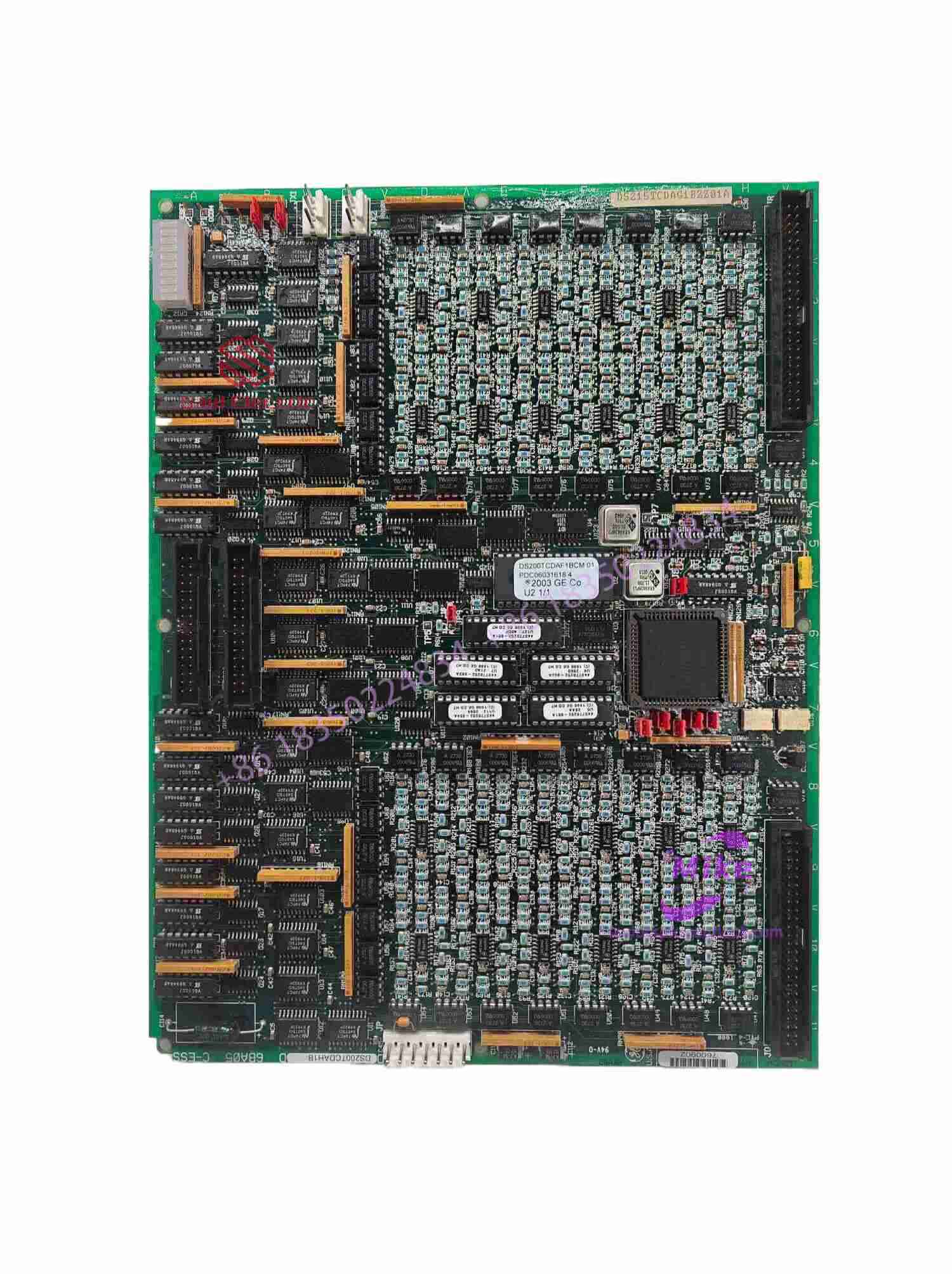

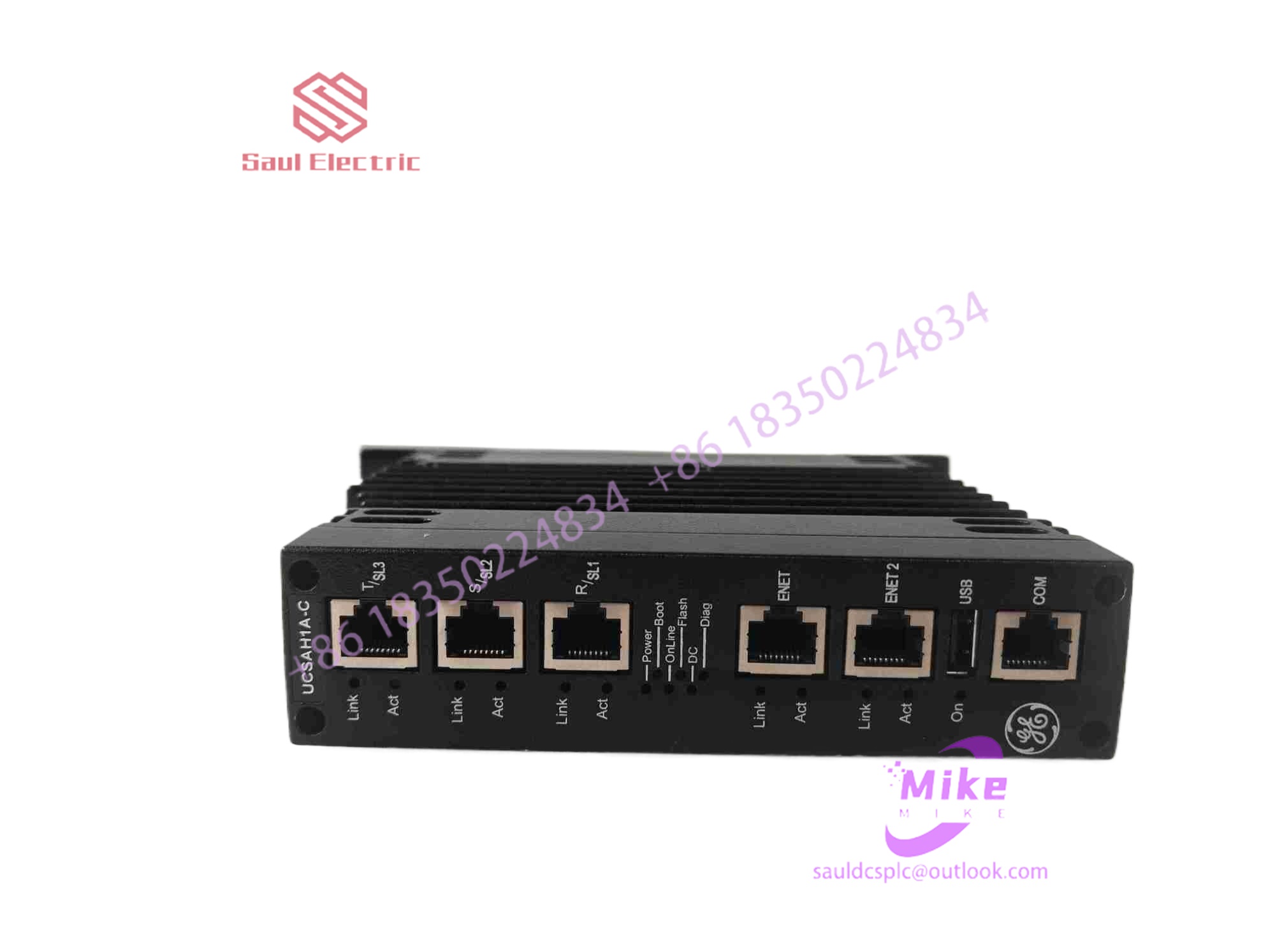
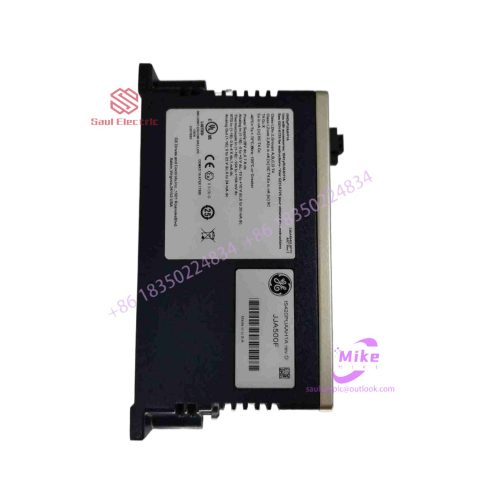
DS200GASCF1BEL Mark VIe Speedtronic
DS200GASCF1BEL Product Introduction
Basic Information
Brand: GE (General Electric)
Model:DS200GASCF1BEL
Part Number: DS200GASCF1BEL
Series: Mark VIe Speedtronic Turbine Control System I/O Pack
Country of Origin: United States
Product Type: Discrete Input Module (Contact Input Module), also known as PDIA I/O Pack
 Functional Overview
The DS200GASCF1BEL is a 24-channel discrete (digital) input module in the GE Mark VIe control system. Its primary function is to collect discrete signals (contact open/close signals) generated by field devices such as sensors,
switches, and relays, convert them into digital signals that can be recognized and processed by the PLC or control system CPU,
and transmit the processed data to the GE Speedtronic turbine control system or other control equipment, enabling automated control and monitoring. Key Technical Specifications
Rated Voltage: 24.0 VDC (Nominal)
Maximum Rated Voltage: 28.6 VDC
Maximum Rated Contact Input Voltage: 32 VDC
Number of Input Channels: 24 Discrete Inputs
Operating Temperature Range: -30°C to +65°C
Environmental Adaptability: Passes rigorous environmental testing, capable of long-term stable operation in harsh industrial environments Compatible Terminal Boards
The DS200GASCF1BEL can be paired with a variety of GE terminal boards, including but not limited to:
IS200STCIH1A / IS200STCIH2A
IS200STCIH8A
IS200TBCIH2C / IS200TBCIH4C
IS400STCIH1A / IS400STCIH2A / IS400STCIH8A
IS400TBCIH2C Certifications and Safety
This module is UL certified and can be used in both hazardous and non-hazardous locations. The UL certification covers various classes and divisions, and relevant UL mark documents are available for reference.
Mobile Phone Radio Frequency Devices 0 7 “Radio Frequency Devices: The embarrassment of relying on people’s mobile phones” (Science and Technology Daily, May 7)
On a mobile phone motherboard, 1/3 of the space is radio frequency circuitry. The development trend of mobile phones is to be thinner and lighter, consume less power, have more frequency bands, and have larger bandwidth, which poses a challenge to radio frequency chips. Radio frequency chips convert digital signals into electromagnetic waves. 4G mobile phones must support more than a dozen frequency bands and information bandwidths of tens of megabytes. In 2018, the RF chip market was US$15 billion; the high-end market was basically monopolized by Skyworks, Qorvo and Broadcom, with Qualcomm also occupying a place. Another key component of RF devices – filters, the gap between domestic and foreign countries is even greater. The multi-billion-dollar market for high-end filters used in mobile phones belongs entirely to foreign RF device giants such as Qorvo. China is the world’s largest mobile phone manufacturer, but it cannot manufacture high-end mobile phone radio frequency components. This requires solid accumulation of materials, processes and design experience.
Heavy-Duty Gas Turbine 0 8 “”The Mingmen Fire Decline”, the Disaster of the Blades of Heavy-Duty Gas Turbine” (Science and Technology Daily, May 9)
Gas turbines are widely used in ships, trains and large power stations. Our country has the ability to automate light-duty gas turbines; however, it still basically relies on introduction. There are four major international rekindling manufacturers: GE from the United States, Mitsubishi from Japan, Siemens from Germany, and Ansaldo from Italy. Cooperation with China comes with stringent conditions: design technology will not be transferred, core hot-end component manufacturing technology will not be transferred, and local manufacturing of non-core components will only be permitted through a license. The lack of independent capabilities means that an important part of my country’s energy security is still controlled by others, and there is a risk of being “stuck.”

There are no reviews yet.