
 HONG KONG SAUL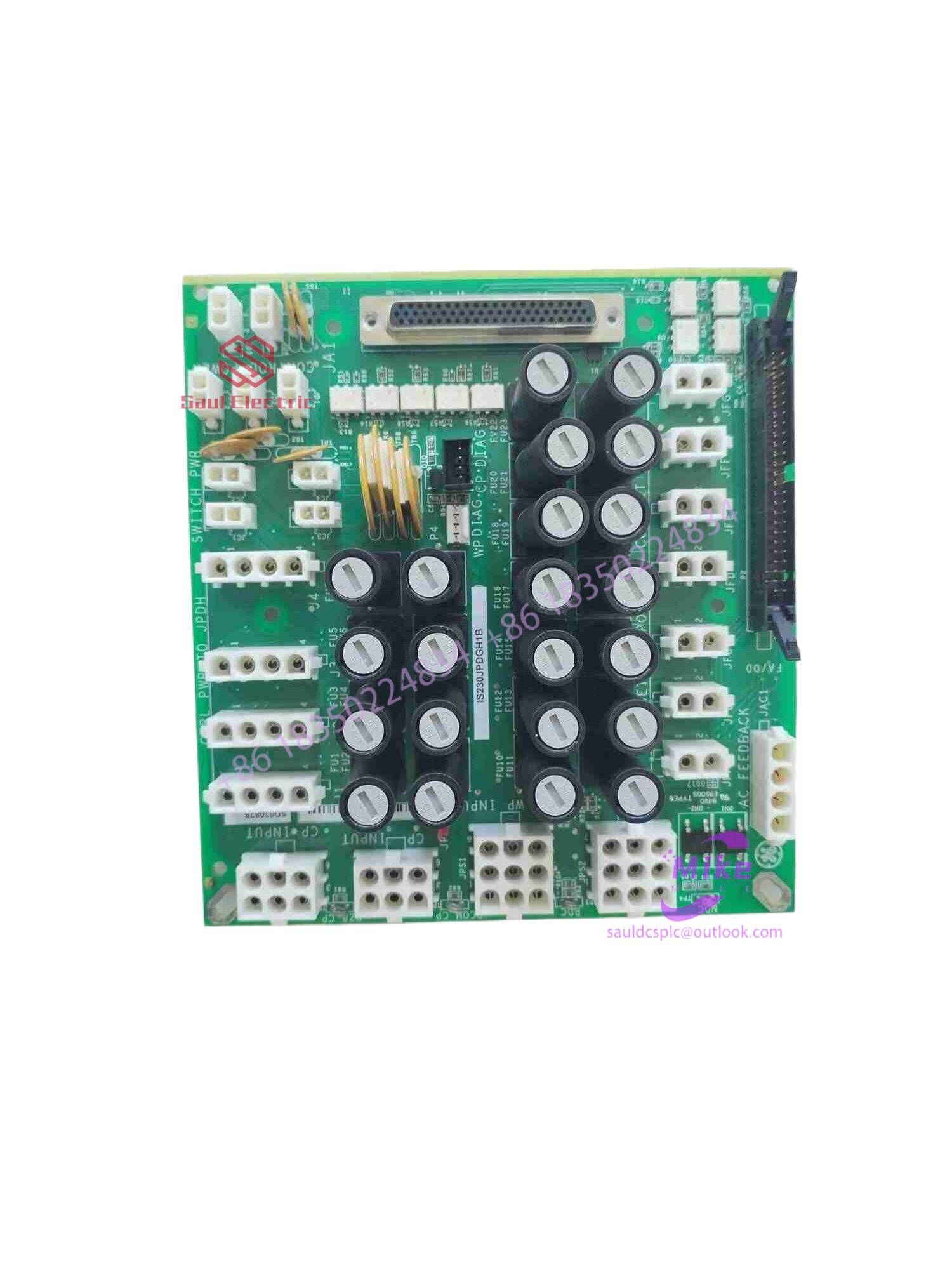

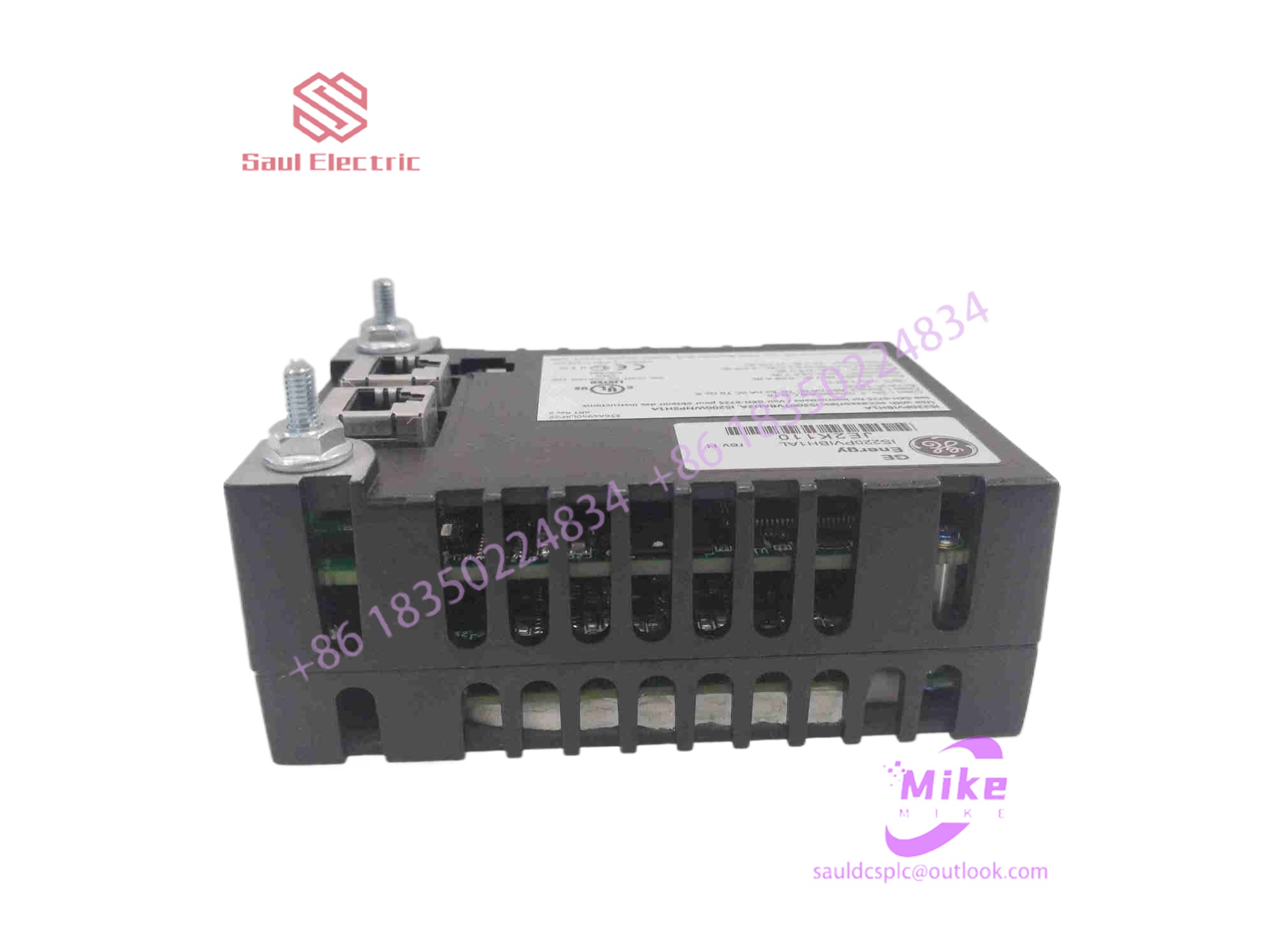
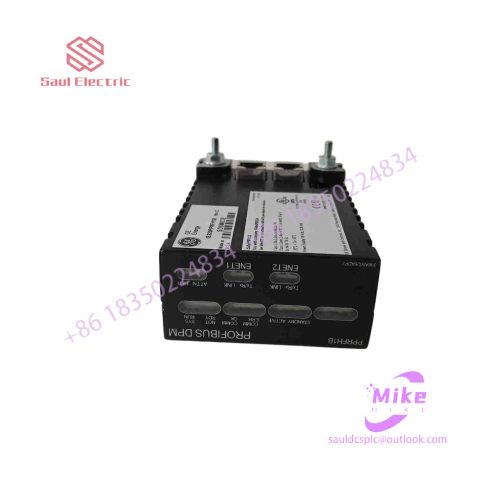
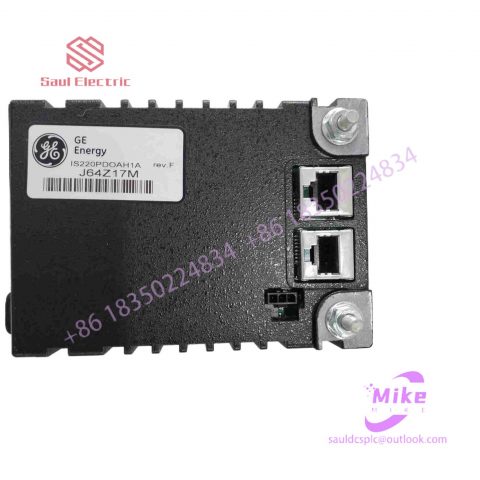
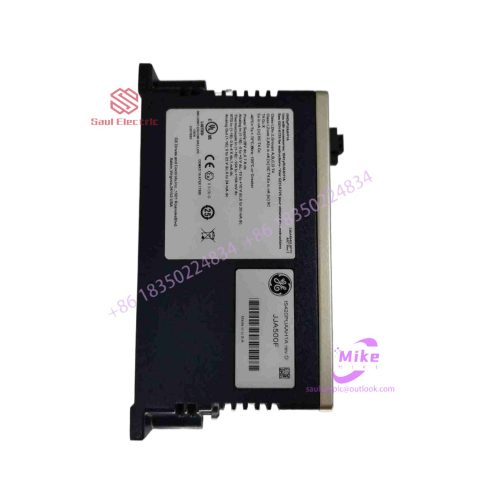
DS200SLCCG1A Turbine Control System
DS200SLCCG1A Product Introduction
Basic Information
Brand: GE (General Electric)
Model:DS200SLCCG1A
Part Number: DS200SLCCG1A
Series: Mark VIe Speedtronic Turbine Control System I/O Pack
Country of Origin: United States
Product Type: Discrete Input Module (Contact Input Module), also known as PDIA I/O Pack
 Functional Overview
The DS200SLCCG1A is a 24-channel discrete (digital) input module in the GE Mark VIe control system. Its primary function is to collect discrete signals (contact open/close signals) generated by field devices such as sensors,
switches, and relays, convert them into digital signals that can be recognized and processed by the PLC or control system CPU,
and transmit the processed data to the GE Speedtronic turbine control system or other control equipment, enabling automated control and monitoring. Key Technical Specifications
Rated Voltage: 24.0 VDC (Nominal)
Maximum Rated Voltage: 28.6 VDC
Maximum Rated Contact Input Voltage: 32 VDC
Number of Input Channels: 24 Discrete Inputs
Operating Temperature Range: -30°C to +65°C
Environmental Adaptability: Passes rigorous environmental testing, capable of long-term stable operation in harsh industrial environments Compatible Terminal Boards
The DS200SLCCG1A can be paired with a variety of GE terminal boards, including but not limited to:
IS200STCIH1A / IS200STCIH2A
IS200STCIH8A
IS200TBCIH2C / IS200TBCIH4C
IS400STCIH1A / IS400STCIH2A / IS400STCIH8A
IS400TBCIH2C Certifications and Safety
This module is UL certified and can be used in both hazardous and non-hazardous locations. The UL certification covers various classes and divisions, and relevant UL mark documents are available for reference.
How giants brought the robotics industry up
Affected by the trend of China’s manufacturing transformation and upgrading, the “machine substitution” craze has arrived. Since 2013, China’s industrial robot market has begun to develop rapidly. Judging from the purchase volume of robots, China has become the world’s largest application market.
However, more than half of the dividends generated by China’s huge market have been captured by the “four major families” of robots (Japan’s Yaskawa Electric, FANUC, Germany’s KUKA, and Switzerland’s ABB).
According to Zhiyan Information, China’s industrial robot market is dominated by foreign brands, and the “four major families” accounted for 57% of the domestic market in 2017. In the field of high-end industrial robots, the share of the four major families of multi-jointed robots with six axes or above is 95%, the share of the four major families in the automotive industry with concentrated downstream high-end applications is 90%, and the share in the welding field is 84 % .
It can be seen that the oligopoly competition pattern in the high-end field has basically been established. Correspondingly, the market share of domestic robots still needs to be improved. For independent brands to catch up with foreign brands, there is still a long way to go in terms of core technology and user services.
On the other hand, the development of the “four major families” of robots to this day is world-renowned, which is inseparable from decades of intensive cultivation. The growth path behind them is worth learning and exploring by domestic ontology manufacturers.
1. Build unique advantages with core technologies
For robot manufacturing, the four major families firmly grasp the key technologies of core components.
Especially when it comes to servo motors, Japan’s Yaskawa Electric Co., Ltd., which is dominated by servo drives, cannot be avoided. In the process of Yaskawa Electric’s development and growth, this critical step is inseparable, and it is also a pioneering work in the field of motors – the development of the world’s first DC servo motor Minertia .
As the company that developed the world’s first servo motor, Yaskawa Electric, founded in 1915, has been leading the trend with ultra-high-speed, ultra-precision motion control technology for many years.
The biggest advantage of its robot is its high stability, which can still maintain normal operation even under overload conditions. Therefore, Yaskawa Electric is very popular in heavy-load application fields such as the automotive industry.
Combining market demand with concentration and investment in technology is the key to Yaskawa Electric achieving major breakthroughs. The development of servo motors is based on the urgent need to improve production efficiency by major Japanese manufacturers.
At that time, the motor took a long time to start and stop, which made it impossible to further improve production efficiency. Undoubtedly, if this technical difficulty can be solved, huge market potential will be released.
Yaskawa Electric keenly captures this market pain point and concentrates on research and development here. However, success does not come overnight. In the early stages of technological breakthroughs, there will always be countless experimental failures.
Fortunately, hard work paid off. With the advantages of advance layout and technology accumulation, Yaskawa Electric was able to achieve this major innovation – Mitsuyuki Fukuda, an engineer at Yaskawa Electric at the time, used the method of attaching coils to the rotor surface. , to reduce the rotor diameter and control the motor ‘s moment of inertia to a minimum. It is understood that the response speed of this motor was almost 100 times that of ordinary motors at the time, which made Yaskawa Electric widely welcomed by the market.
Of course, this landmark technological leap did not stop Yaskawa Electric. Since then, Yaskawa Electric has continued to polish its own technology with the spirit of craftsmanship, and has continued to innovate in order to develop products that better meet user needs. Every technological breakthrough means leading the entire industry to progress.
According to reports, in 2018 (March-November), Yaskawa achieved revenue of 361.3 billion yen, a year-on-year increase of 6.3%. As of September 2015, the cumulative number of robots sold by Yaskawa Electric has exceeded 280,000 units, becoming the global robot sales champion.
Similarly, FANUC, known as the “Microsoft of robotics”, its founder Seiemon Inaba is also very convinced of the power of technology. He believes that continuous experimentation and innovation through mistakes are the key to FANUC. A creed that has always been there.
In order to stay ahead of its peers in technology, Inaba established a basic development research institute and a commodity research institute respectively. The former is mainly responsible for the products that the market will need in five or ten years; the latter is responsible for establishing commercialization goals and delivering results within one year. FANUC is always aware of crises, and the team atmosphere in its research institute is always full of fighting atmosphere.
The most prominent competitive advantage of its industrial robots is its extremely high precision. It is reported that the repeated positioning accuracy of Fanuc’s multi-functional six-axis small robot can reach plus or minus 0.02mm. Therefore, the market is very popular in light-load, high-precision applications.

There are no reviews yet.