 HONG KONG SAUL

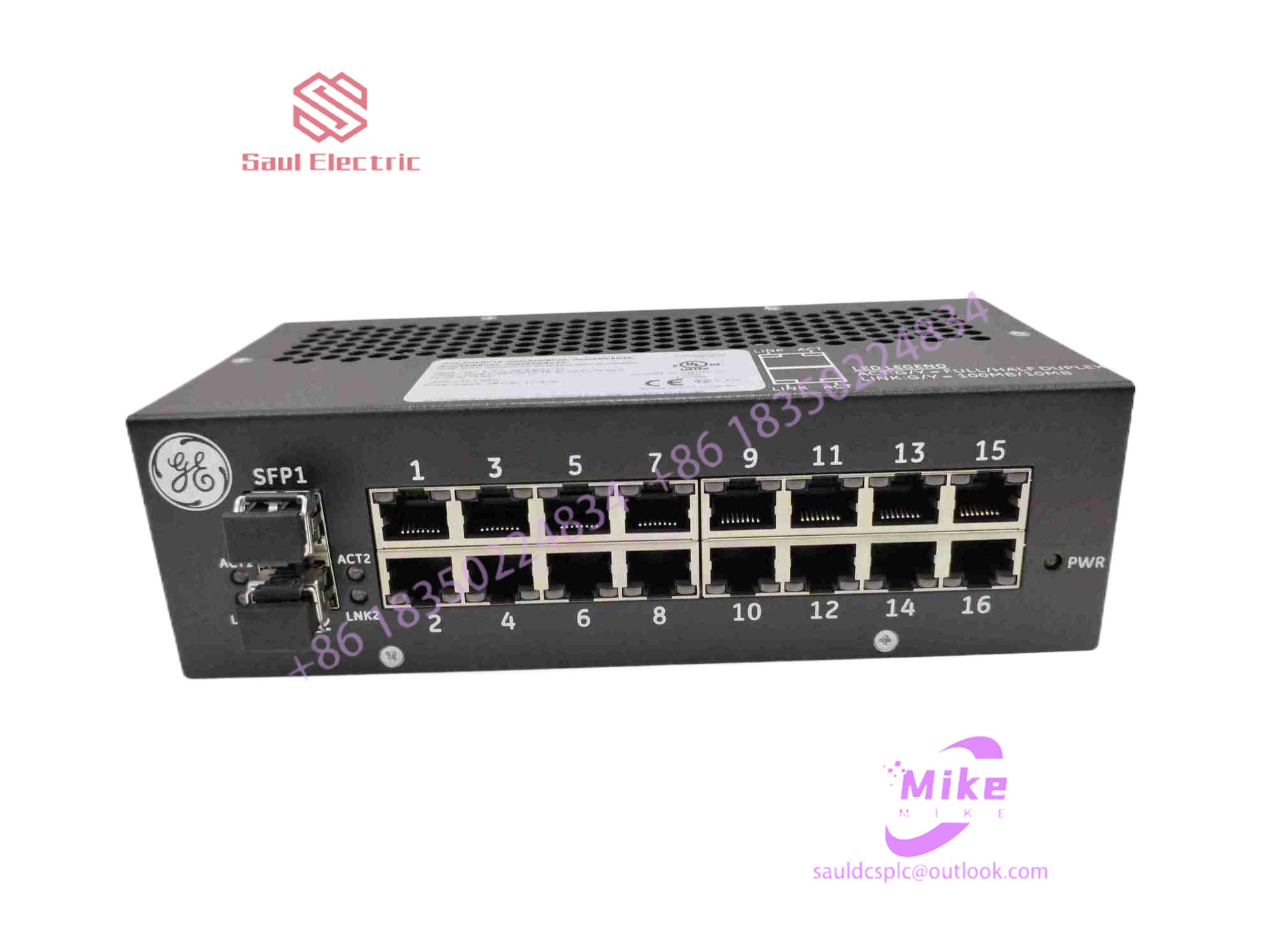
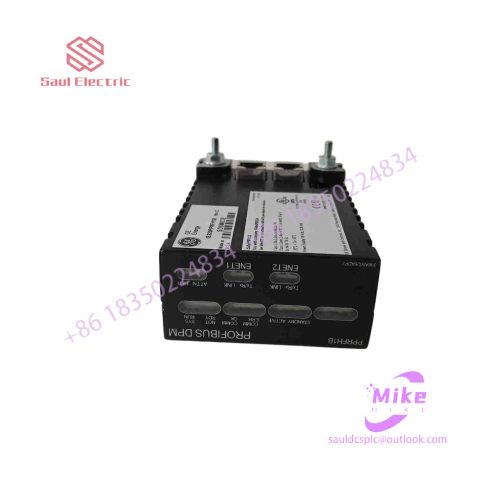
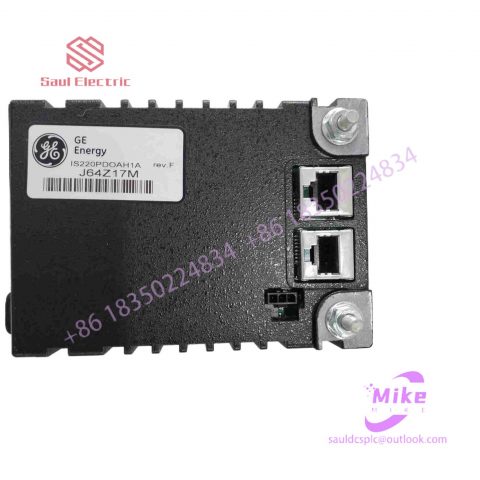
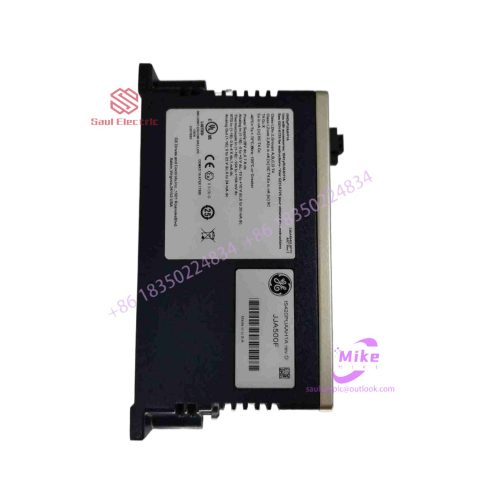
DS200TCQAF1AEE Mark VIe Speedtronic
DS200TCQAF1AEE Product Introduction
Basic Information
Brand: GE (General Electric)
Model:DS200TCQAF1AEE
Part Number: DS200TCQAF1AEE
Series: Mark VIe Speedtronic Turbine Control System I/O Pack
Country of Origin: United States
Product Type: Discrete Input Module (Contact Input Module), also known as PDIA I/O Pack
 Functional Overview
The DS200TCQAF1AEE is a 24-channel discrete (digital) input module in the GE Mark VIe control system. Its primary function is to collect discrete signals (contact open/close signals) generated by field devices such as sensors,
switches, and relays, convert them into digital signals that can be recognized and processed by the PLC or control system CPU,
and transmit the processed data to the GE Speedtronic turbine control system or other control equipment, enabling automated control and monitoring. Key Technical Specifications
Rated Voltage: 24.0 VDC (Nominal)
Maximum Rated Voltage: 28.6 VDC
Maximum Rated Contact Input Voltage: 32 VDC
Number of Input Channels: 24 Discrete Inputs
Operating Temperature Range: -30°C to +65°C
Environmental Adaptability: Passes rigorous environmental testing, capable of long-term stable operation in harsh industrial environments Compatible Terminal Boards
The DS200TCQAF1AEE can be paired with a variety of GE terminal boards, including but not limited to:
IS200STCIH1A / IS200STCIH2A
IS200STCIH8A
IS200TBCIH2C / IS200TBCIH4C
IS400STCIH1A / IS400STCIH2A / IS400STCIH8A
IS400TBCIH2C Certifications and Safety
This module is UL certified and can be used in both hazardous and non-hazardous locations. The UL certification covers various classes and divisions, and relevant UL mark documents are available for reference.
Data center power challenges, storage technology becomes a breakthrough
In recent years, with the explosive growth of data business demands such as mobile Internet, Internet of Things, and cloud computing and the rapid development of IT technology, data centers have evolved into a rapidly developing industry and become an important part of the new generation of information industry. Relevant research institutions predict that the market size of my country’s data centers will exceed 180 billion yuan in 2019, of which about 70% will be newly built data centers.
Data center power challenges
At the same time, data centers are facing a series of problems such as excessive energy consumption, load surge, and main equipment failure, and these problems are becoming more and more severe. According to data from the China Data Center Energy Conservation Technical Committee, the total power consumption of China’s data centers in 2017 reached 120-130 billion kilowatt hours, exceeding the power generation of the Three Gorges Dam in 2017 (97.605 billion kilowatt hours) and the Gezhouba Power Plant (190.5 billion kilowatt-hours).
Ensuring safe and reliable power and network supply are the two most basic functions of a data center, so data centers are equipped with uninterruptible power supplies (UPS). The traditional data center power backup mode is: when the mains power supply is normal, the UPS supplies power to the load after “filtering impurities from the mains power” and charges the battery at the same time; when the mains power is abnormal (power supply is interrupted), the battery discharge is supplied through the UPS The load ensures power supply. However, as the scale and density of data centers increases, this model will inevitably face some outstanding problems:
First, electricity bills are high. The operating costs after the data center is built mainly come from electricity charges. Statistics show that electricity expenses account for more than 60% of the data center operating expenses. Second, battery investment is high. Data centers mostly use lead-acid batteries for backup power. The life of these batteries is usually about 5 years. To ensure the safety of backup power, they must be replaced regularly. Moreover, most batteries do not discharge during their service life, resulting in a waste of resources (sunk cost). Third, the battery has been in a float charge state for a long time and its health status is unknown. Some data centers even need to verify battery performance through regular false load tests, and the cost of this test is also considerable.
Energy storage technology becomes a new breakthrough
In recent years, data center energy storage technology has developed rapidly. With its characteristics and advantages such as peak shaving, on-demand response, on-demand management, power supply quality assurance, renewable energy integration, and backup energy storage, it has become an important means to solve the above problems. .
Data center energy storage places higher demands on batteries. Traditional lead-acid batteries are considered to be the “weak link” of data center power equipment due to their high maintenance costs, heavy weight, need for regular replacement, and potential failures. In contrast, lithium-ion batteries have longer cycle life, longer run times, and the ability to operate at higher ambient temperatures, and have higher power density, occupying the same space as lead for the same capacity. One-third of the capacity of acid batteries can save more space in the machine room, and lithium-ion batteries also have instantaneous response capabilities.
Supercapacitors combined with traditional UPS configurations can also help solve the problem . Not only can they respond instantly to power outages or power quality issues without the initial voltage drop caused by battery resistance issues, they can also enable data centers to use batteries more frequently for peak shaving, thereby reducing monthly power demand costs. They also Helps extend the life of lead-acid batteries. The advantages of supercapacitors are their high availability, relatively low maintenance, and long service life.
Advantages of new energy storage architecture
In addition to the equipment itself, the core of the energy storage system is system management. The generally designed working mode of the energy storage system is: operating in island mode to provide emergency power supply in the event of generator failure; energy distribution is performed according to the quota of the power grid to solve the problem of power supply security. However, real-time switching of the output current source and voltage source cannot be realized, and uninterrupted power supply to the load cannot be guaranteed. The new energy storage architecture represented by Eaton energy storage system, through optimized system design, parallel power supply in mains mode and energy storage system, can effectively solve the possible power outage caused by abnormal switching of the power grid, and also solve the problem of energy storage system Energy distribution management issues; combined with optimized battery management technology, it can achieve maximum economic benefits for customers.

There are no reviews yet.