
 HONG KONG SAUL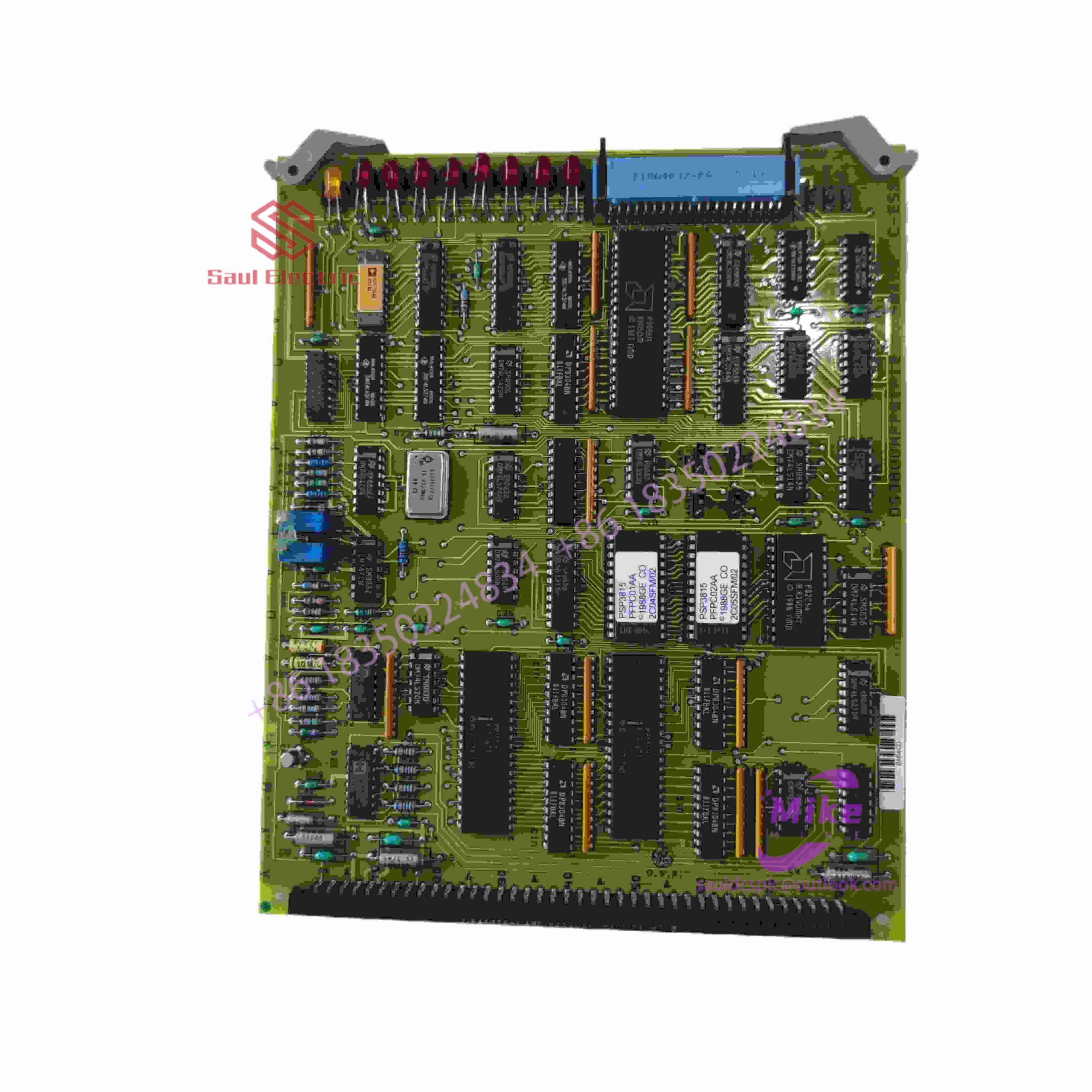

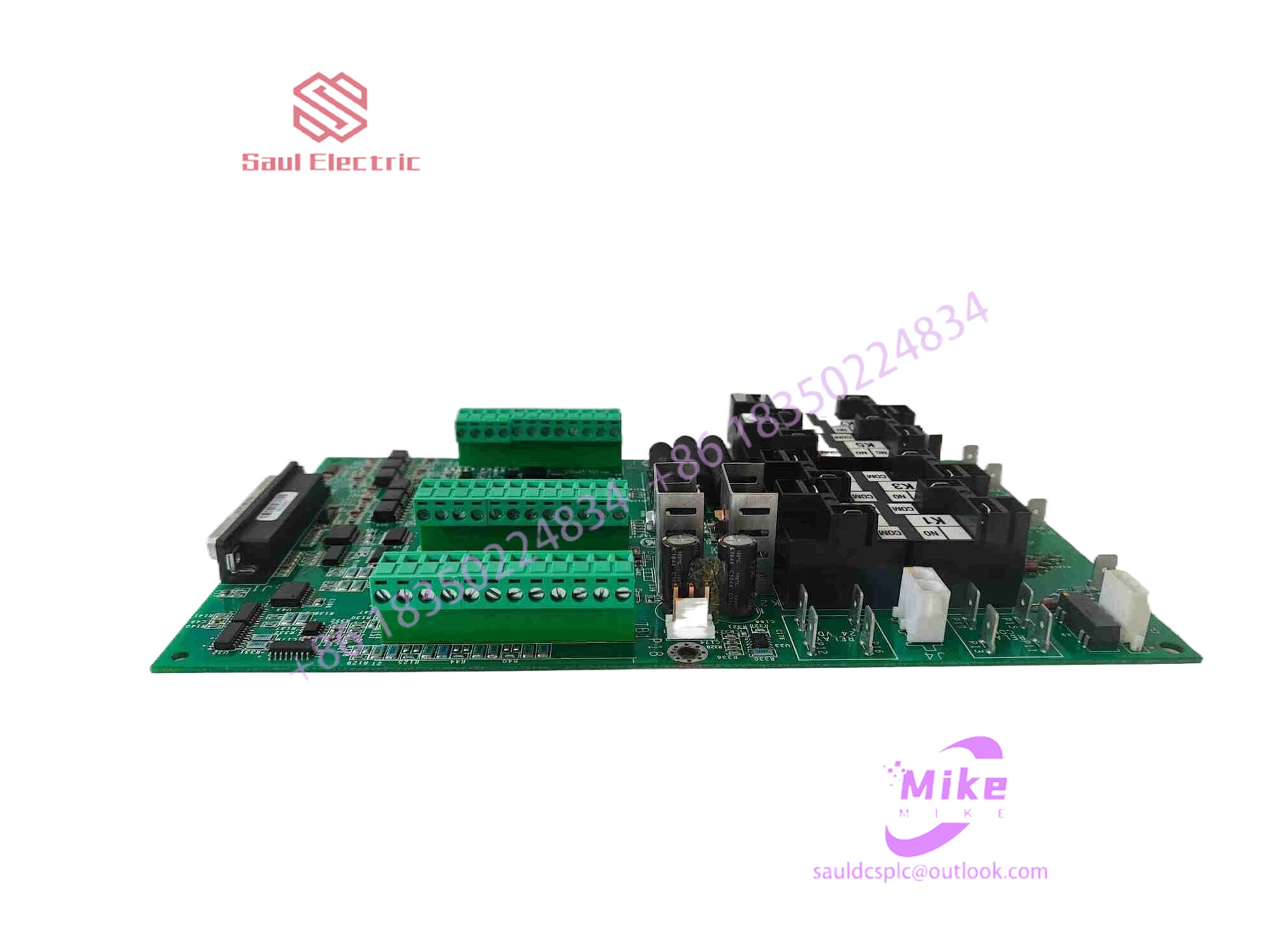
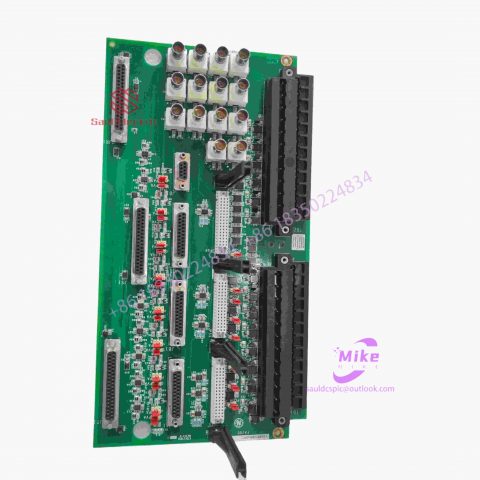
DS200TCQAGIBHF integrated circuit board
DS200TCQAGIBHF Product Introduction
Basic Information
Brand: GE (General Electric)
Model:DS200TCQAGIBHF
Part Number: DS200TCQAGIBHF
Series: Mark VIe Speedtronic Turbine Control System I/O Pack
Country of Origin: United States
Product Type: Discrete Input Module (Contact Input Module), also known as PDIA I/O Pack
contacts: Mike
+86 18350224834 (WeChat/WhatsApp)
Email:Mike18350224834@gmail.com
 Functional Overview
The DS200TCQAGIBHF is a 24-channel discrete (digital) input module in the GE Mark VIe control system. Its primary function is to collect discrete signals (contact open/close signals) generated by field devices such as sensors,
switches, and relays, convert them into digital signals that can be recognized and processed by the PLC or control system CPU,
and transmit the processed data to the GE Speedtronic turbine control system or other control equipment, enabling automated control and monitoring. Key Technical Specifications
Rated Voltage: 24.0 VDC (Nominal)
Maximum Rated Voltage: 28.6 VDC
Maximum Rated Contact Input Voltage: 32 VDC
Number of Input Channels: 24 Discrete Inputs
Operating Temperature Range: -30°C to +65°C
Environmental Adaptability: Passes rigorous environmental testing, capable of long-term stable operation in harsh industrial environments Compatible Terminal Boards
The DS200TCQAGIBHF can be paired with a variety of GE terminal boards, including but not limited to:
IS200STCIH1A / IS200STCIH2A
IS200STCIH8A
IS200TBCIH2C / IS200TBCIH4C
IS400STCIH1A / IS400STCIH2A / IS400STCIH8A
IS400TBCIH2C Certifications and Safety
This module is UL certified and can be used in both hazardous and non-hazardous locations. The UL certification covers various classes and divisions, and relevant UL mark documents are available for reference.
Episode 1: Transforming and upgrading to Industry 4.0 using new and existing measurement technologies – This episode focuses on how process and manufacturing companies can use key Industry 4.0 technologies to achieve digital transformation. In the show, Omega Engineering’s Kevin Goohs explains a variety of innovative ways to upgrade existing facility systems with key solutions such as sensors and new digital smart probes to capture real-time information on the factory floor. The podcast also introduces expertise in edge monitoring and control and explores how to select the best new mechanisms for big data delivery and analytics, as well as how to conduct critical pilot project evaluations before fully installing a system.
Episode 2: Sustainability, business strategy and partnerships power Industry 4.0 transformation – This podcast episode exclusively presents Schneider Electric’s innovative strategy for developing new technology solutions for the Industrial Internet of Things, including how to transfer key knowledge directly to client. In the program, Mark Yeeles, Vice President of Industrial Automation at Schneider Electric UK and Ireland, emphasized that the secret for companies to successfully adopt Industry 4.0 technology is to work together with strategic partners to create fully optimized production facilities. This will also enable engineers and facility managers to make smarter decisions autonomously, streamlining processes and accelerating digital transformation.
Episode 3: Integration is the only way to achieve Industry 4.0 – This podcast episode talks to Advantech, focusing on the fact that integration is the only way to adopt the key technologies of Industry 4.0. Matt Dentino, North American industrial IoT channel manager at Advantech, analyzed the impact of long-term adoption of open architecture strategies on enterprises’ asset integration, energy management, digital transformation, and real-time monitoring and analysis. The podcast also emphasizes that in an era where Industry 4.0 technology is accelerating the development of the industrial world, strategic business partnerships are crucial for companies to maintain competitive advantages; at the same time, companies should also focus on cultivating a new generation of engineers.
Episode 4: Utilizing Design and Analysis Tools for Process Optimization – In this episode of the podcast, Eaton focuses on how to leverage innovative design and big data analytics tools to optimize processes for more accurate demand forecasts and smarter business decisions. , and achieve higher operational efficiency. Alexandra Rangel, Eaton PowerXpert application engineer, analyzed the main challenges faced by enterprises when adopting key Industry 4.0 technologies to build digital factories, as well as the benefits it can bring. Rangel further emphasized that with the development of various new technologies, companies must formulate digital strategies to promote Industry 4.0 transformation.
Episode 5: Building a better future with Industry 4.0 – This podcast episode details ABB’s comprehensive digitalization plan to increase end-to-end transparency and visibility. ABB’s Massimiliano Cifalitti and Fabio Monachesi analyzed the key role of Industry 4.0 in promoting technological change, and also demonstrated through practical cases a number of innovative strategies that use Industry 4.0 to significantly improve safety and production efficiency and reduce costs. The two experts agreed that the realization of Industry 4.0 should not only focus on technology, but more importantly, the entire team can work together to ensure a high degree of safety and environmental sustainability while increasing productivity. They emphasized that corporate responsibility has become an important pillar of enterprises in the new industrial era.

There are no reviews yet.