
 HONG KONG SAUL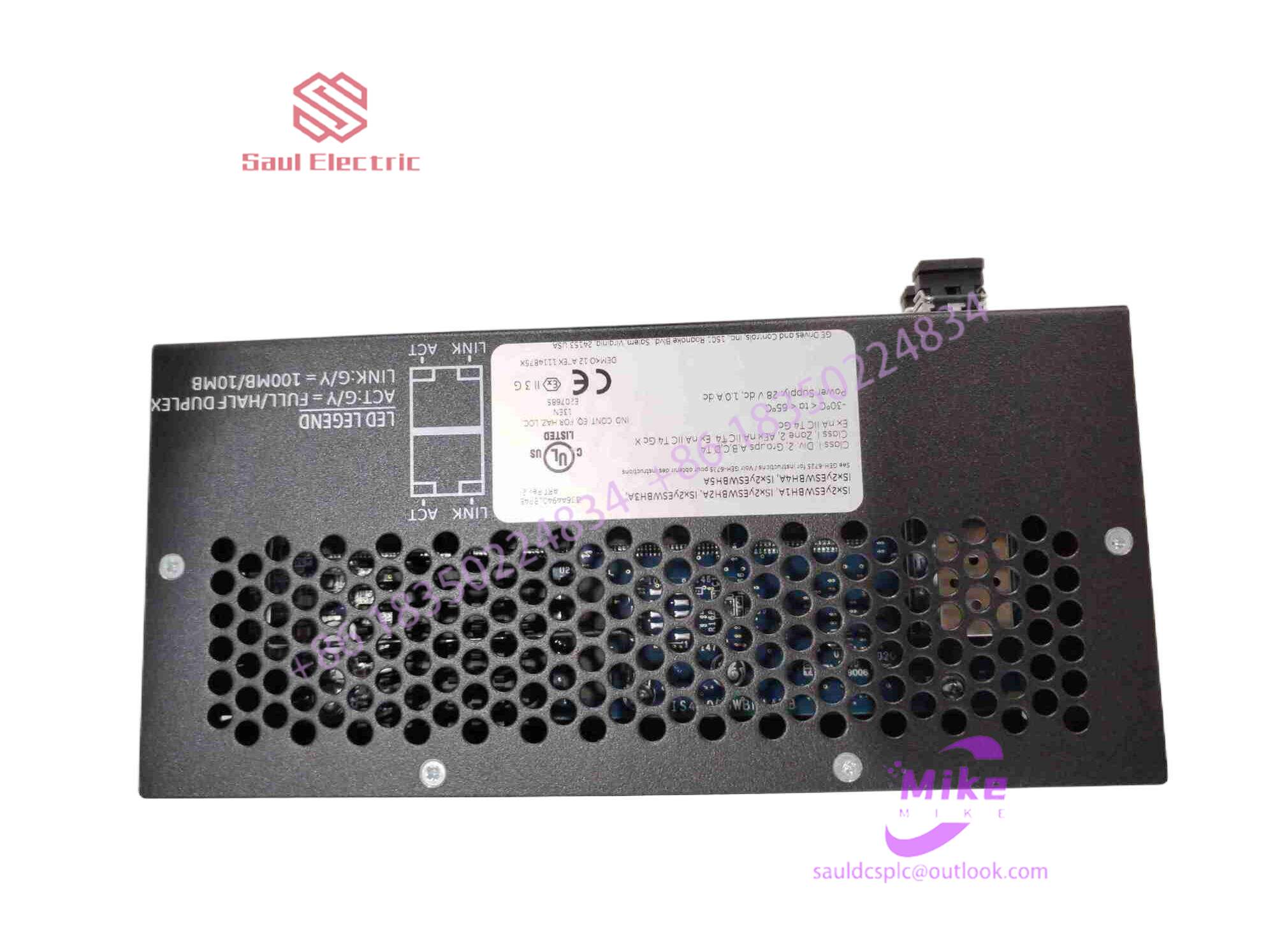
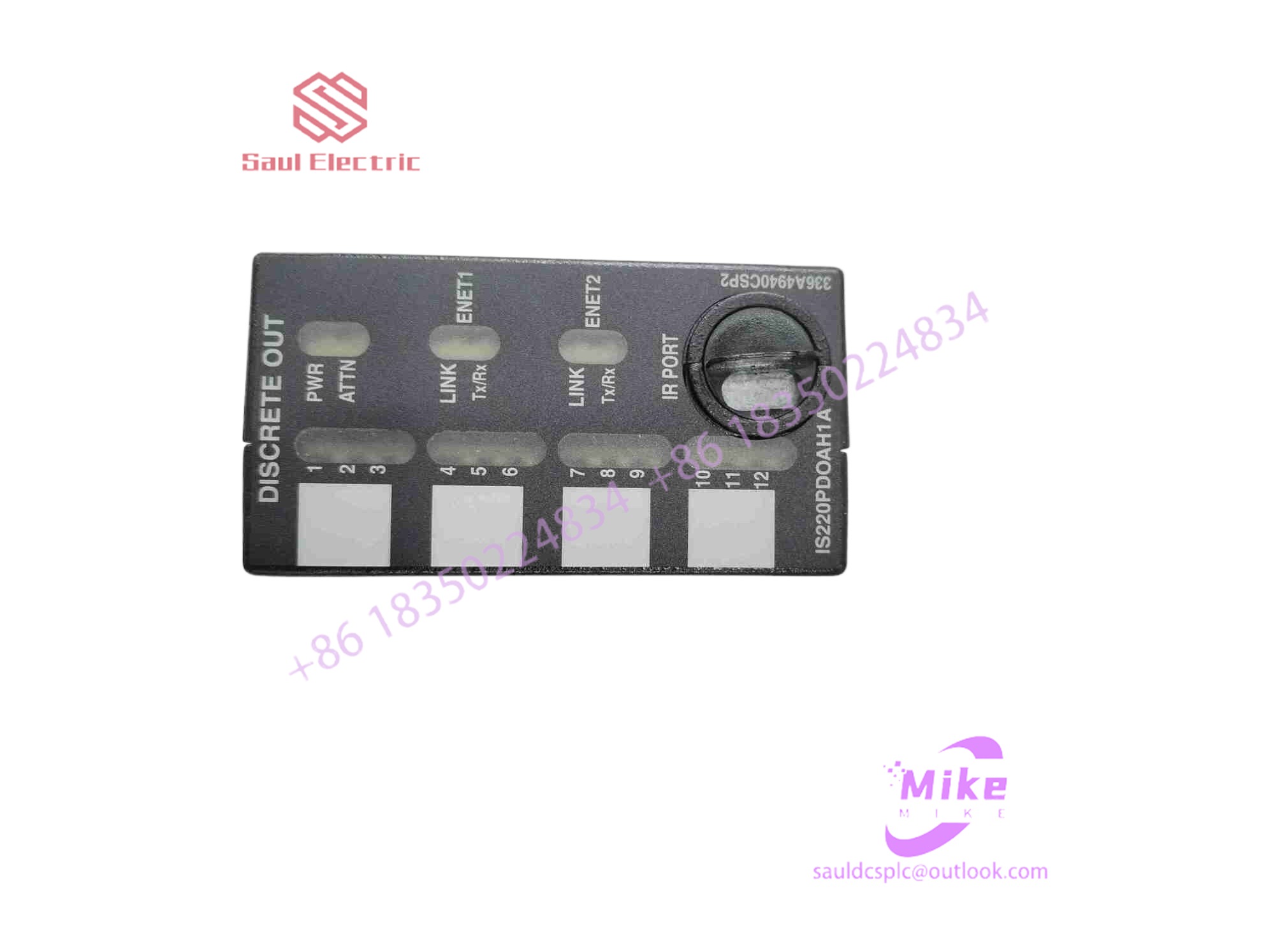
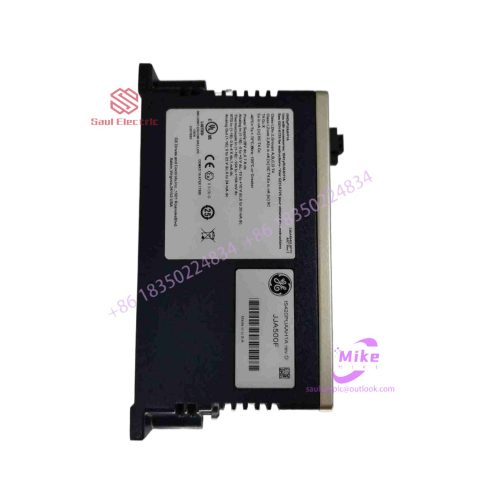
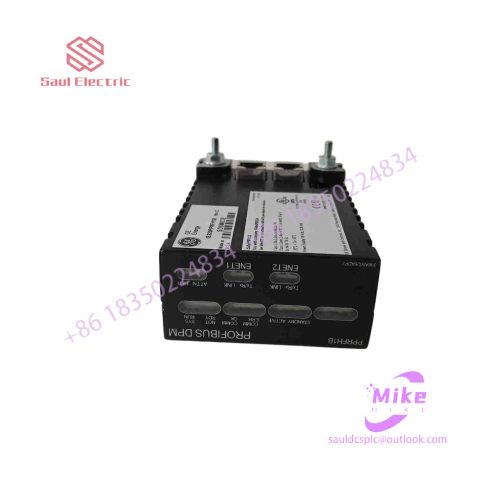
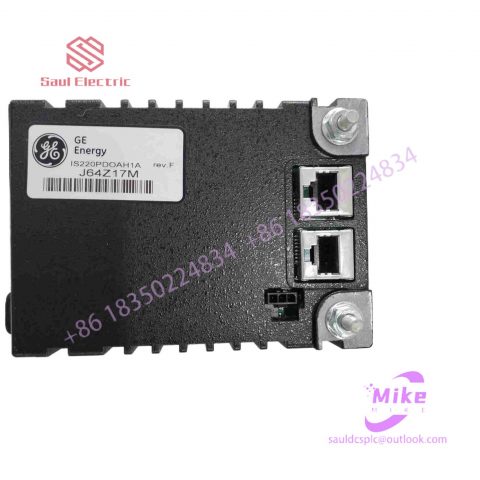
DS2020EXPSG1 Turbine Control System
DS2020EXPSG1 Product Introduction
Basic Information
Brand: GE (General Electric)
Model:DS2020EXPSG1
Part Number: DS2020EXPSG1
Series: Mark VIe Speedtronic Turbine Control System I/O Pack
Country of Origin: United States
Product Type: Discrete Input Module (Contact Input Module), also known as PDIA I/O Pack
 Functional Overview
The DS2020EXPSG1 is a 24-channel discrete (digital) input module in the GE Mark VIe control system. Its primary function is to collect discrete signals (contact open/close signals) generated by field devices such as sensors,
switches, and relays, convert them into digital signals that can be recognized and processed by the PLC or control system CPU,
and transmit the processed data to the GE Speedtronic turbine control system or other control equipment, enabling automated control and monitoring. Key Technical Specifications
Rated Voltage: 24.0 VDC (Nominal)
Maximum Rated Voltage: 28.6 VDC
Maximum Rated Contact Input Voltage: 32 VDC
Number of Input Channels: 24 Discrete Inputs
Operating Temperature Range: -30°C to +65°C
Environmental Adaptability: Passes rigorous environmental testing, capable of long-term stable operation in harsh industrial environments Compatible Terminal Boards
The DS2020EXPSG1 can be paired with a variety of GE terminal boards, including but not limited to:
IS200STCIH1A / IS200STCIH2A
IS200STCIH8A
IS200TBCIH2C / IS200TBCIH4C
IS400STCIH1A / IS400STCIH2A / IS400STCIH8A
IS400TBCIH2C Certifications and Safety
This module is UL certified and can be used in both hazardous and non-hazardous locations. The UL certification covers various classes and divisions, and relevant UL mark documents are available for reference.
1. Working principle
The resistive touch screen TLC2272CDR is composed of two layers of transparent conductive films, one of which is arranged vertically and the other layer is arranged horizontally. There is a certain distance between these two conductive films, forming a kind of capacitance. When a finger or other object touches the surface of the resistive touch screen, the resistance between the conductive films will be changed, causing a change in resistance. Resistive touch screens measure this change in resistance to determine the location of the touch point.
2. Component classification
The components of resistive touch screens mainly include conductive films, glass substrates, backlight modules, etc. There are four types of conductive films: ITO electrode film, ITO glass film, ITO PET film and copper foil film. There are two main types of glass substrates: soda-lime glass and borosilicate glass. Backlight modules are divided into two types: LED backlight and CCFL backlight.
1.Conductive film
ITO electrode film is a transparent conductive material widely used in resistive touch screen manufacturing. Its main features are good light transmittance, optical uniformity, high surface hardness, and good scratch resistance. ITO glass film and ITO PET film are conductive films made by evaporating ITO materials on glass or PET substrates. Copper foil film is a new type of conductive material with the advantages of high conductivity, good oxidation resistance, and low cost.
2. Glass substrate
Soda-lime glass is a traditional glass substrate material with good impact resistance, high mechanical strength, and good light transmittance. Borosilicate glass is a new type of glass substrate with the advantages of good thermal conductivity, good chemical stability, and high mechanical strength.
3.Backlight module
The backlight module is an important part of the resistive touch screen. It emits light through light-emitting diodes (LEDs) or cold cathode fluorescent lamps (CCFL) to illuminate the screen, allowing the screen to be used in low-light environments. LED backlight modules have the advantages of high brightness, long life, energy saving and environmental protection, and have become mainstream backlight technology. CCFL backlight modules are gradually being eliminated because of their short life, high power consumption, uneven light and other shortcomings.
3. Current situation research
Resistive touch screen technology has matured, costs are gradually decreasing, and market demand is increasing year by year. However, resistive touch screens still have some problems, such as low accuracy, slow response speed, and susceptibility to contamination. Therefore, in recent years, researchers have begun to explore new touch screen technologies such as capacitive touch screens, sonic touch screens, and optical touch screens. These new touch screen technologies have the advantages of high precision, fast response speed, and easy cleaning, and have begun to be applied in some fields. Resistive touch screens remain an important touch screen technology, but as new touch screen technologies continue to emerge, their market share may gradually decline.
To sum up, resistive touch screen is a common touch screen technology. Its working principle is to determine the position of the touch point by measuring the resistance change between conductive films. The components of resistive touch screens mainly include conductive films, glass substrates, backlight modules, etc. Although resistive touch screen technology has matured, it still has some problems. At the same time, new touch screen technologies are also emerging, and the market share of resistive touch screens may gradually decline in the future.

There are no reviews yet.