
 HONG KONG SAUL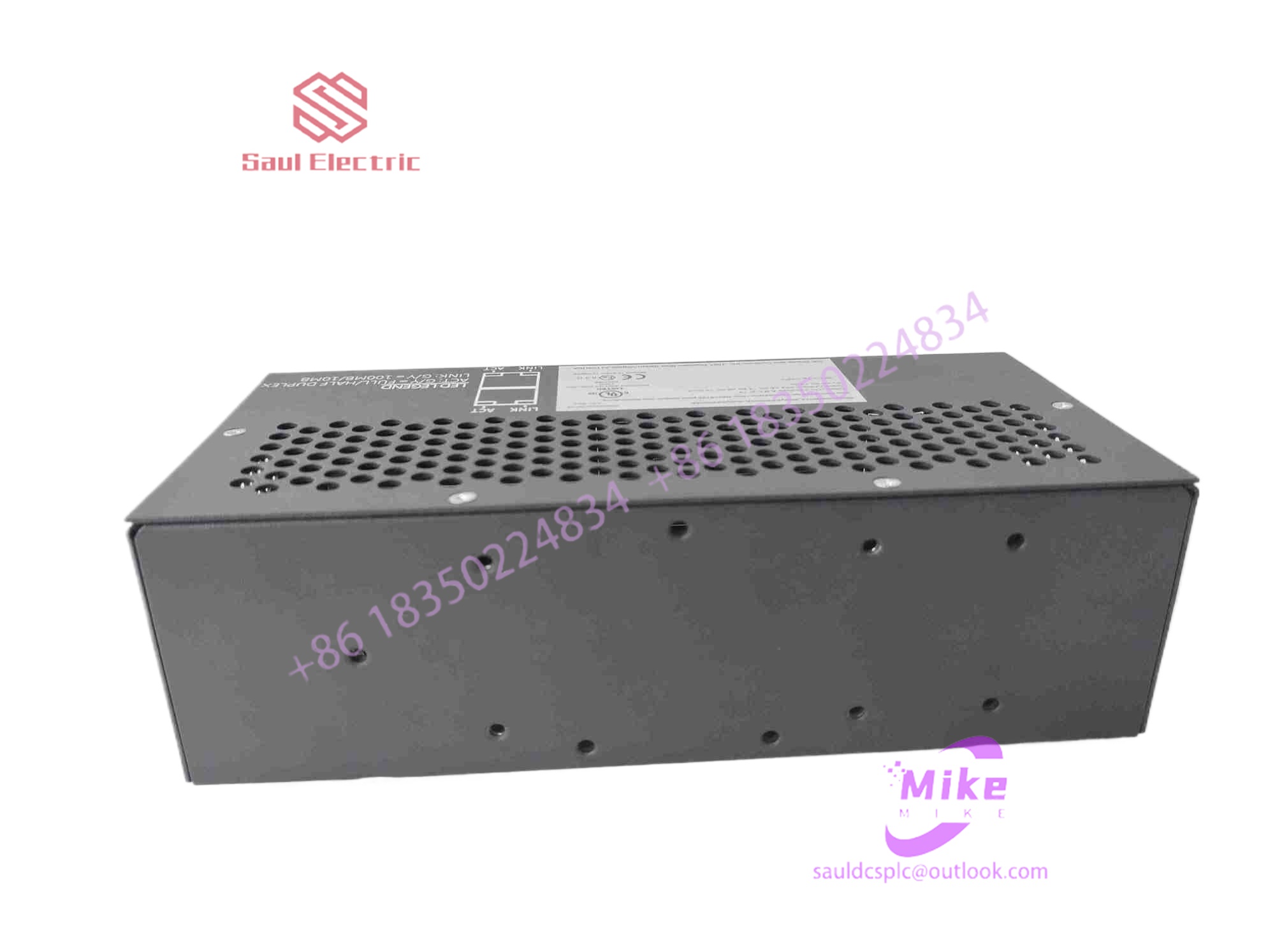

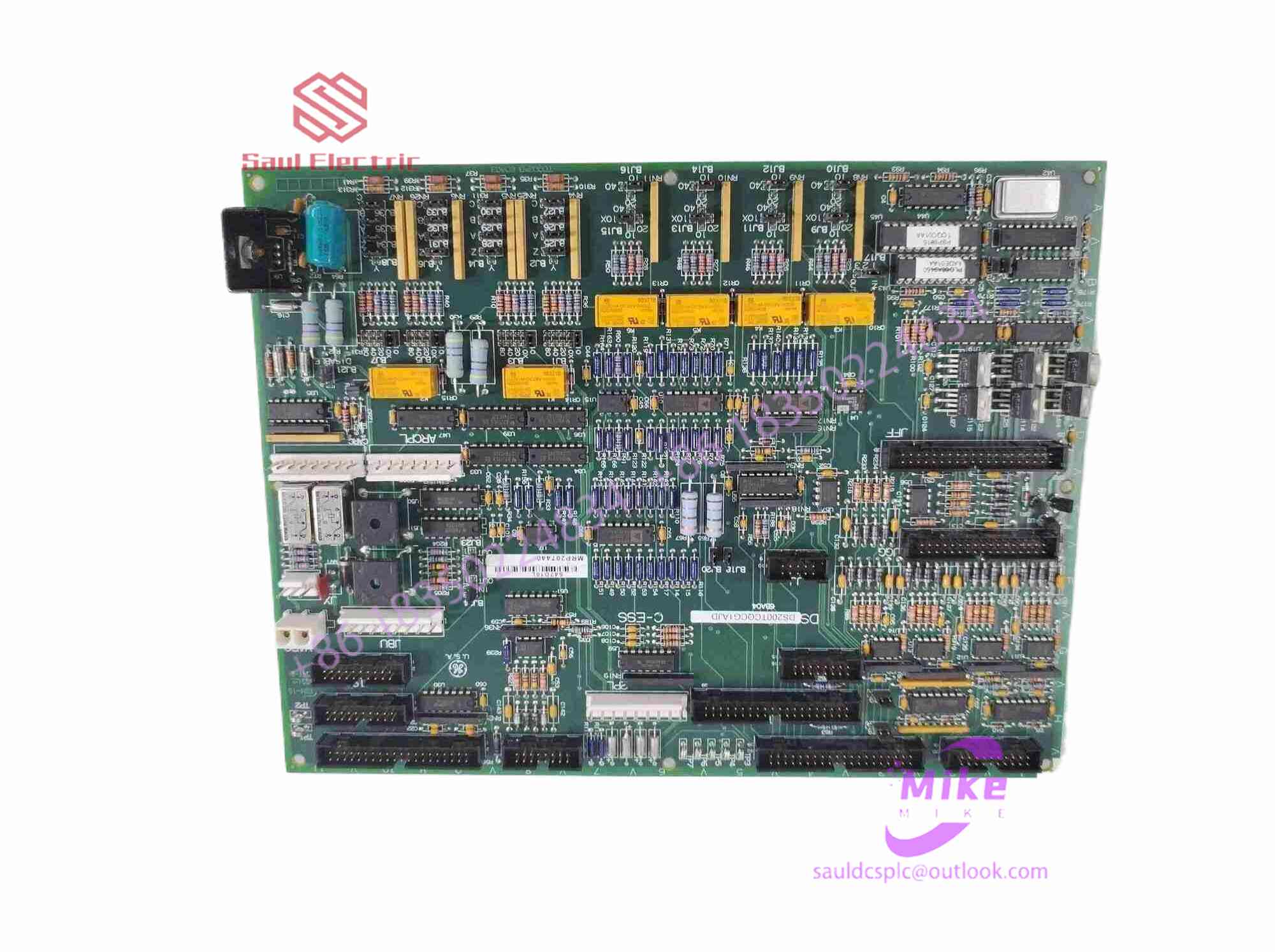
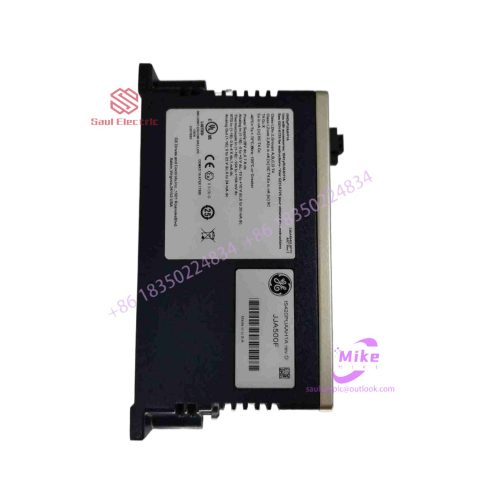
DS215TCCBG3AZZ01A 24 channel output module
DS215TCCBG3AZZ01A Product Introduction
Basic Information
Brand: GE (General Electric)
Model:DS215TCCBG3AZZ01A
Part Number: DS215TCCBG3AZZ01A
Series: Mark VIe Speedtronic Turbine Control System I/O Pack
Country of Origin: United States
Product Type: Discrete Input Module (Contact Input Module), also known as PDIA I/O Pack
contacts: Mike
+86 18350224834 (WeChat/WhatsApp)
Email:Mike18350224834@gmail.com
 Functional Overview
The DS215TCCBG3AZZ01A is a 24-channel discrete (digital) input module in the GE Mark VIe control system. Its primary function is to collect discrete signals (contact open/close signals) generated by field devices such as sensors,
switches, and relays, convert them into digital signals that can be recognized and processed by the PLC or control system CPU,
and transmit the processed data to the GE Speedtronic turbine control system or other control equipment, enabling automated control and monitoring. Key Technical Specifications
Rated Voltage: 24.0 VDC (Nominal)
Maximum Rated Voltage: 28.6 VDC
Maximum Rated Contact Input Voltage: 32 VDC
Number of Input Channels: 24 Discrete Inputs
Operating Temperature Range: -30°C to +65°C
Environmental Adaptability: Passes rigorous environmental testing, capable of long-term stable operation in harsh industrial environments Compatible Terminal Boards
The DS215TCCBG3AZZ01A can be paired with a variety of GE terminal boards, including but not limited to:
IS200STCIH1A / IS200STCIH2A
IS200STCIH8A
IS200TBCIH2C / IS200TBCIH4C
IS400STCIH1A / IS400STCIH2A / IS400STCIH8A
IS400TBCIH2C Certifications and Safety
This module is UL certified and can be used in both hazardous and non-hazardous locations. The UL certification covers various classes and divisions, and relevant UL mark documents are available for reference.
Photoresist 16″China’s semiconductor industry loses color due to photoresist” (Science and Technology Daily, May 31)
Although my country has become a major semiconductor producer in the world, the overall industrial chain of the panel industry is still relatively backward. At present, almost all photoresists for LCDs are imported, and the core technology is still monopolized by Japanese companies such as TOK, JSR, Sumitomo Chemical, and Shin-Etsu Chemical. Take BOE, which has certain competitiveness in the world, as an example. It has established 17 panel display production bases, 16 of which have been put into production. However, the photoresist used by BOE for high-end panels is still provided by foreign companies. The main components of photoresist are polymer resins, color pastes, monomers, photoinitiators, solvents and additives. The development involves many technical problems, including oligomer structure design and screening, synthesis process determination and optimization, activity Adjustments include monomer screening and control, color paste fineness control and stability, product formula design and optimization, product production process optimization and stability, final use condition matching and tolerance adjustment. Therefore, it is very technically difficult to independently develop and produce.
High voltage common rail system 17″The high-pressure common rail is useless, and domestic diesel engines are very damaged” (Science and Technology Daily, June 4)
The electronically controlled diesel high-pressure common rail system is equivalent to the “heart” and “brain” of the diesel engine. Its quality seriously affects the use of the engine. The diesel engine industry is an important equipment foundation that promotes a country’s economic growth and social operation. China is the world’s major market and producer of diesel engines, and in the domestic electronically controlled diesel engine high-pressure common rail system market, companies such as Germany, the United States, and Japan account for the lion’s share. Compared with the products of advanced foreign companies, there are still certain gaps in the performance, functions, quality and consistency of domestic high-voltage common rail systems, and the cost advantage is not obvious.
Transmission electron microscope 18″Our 3D high-definition photos of proteins rely on imported transmission electron microscopy” (Science and Technology Daily, June 6

There are no reviews yet.