 HONG KONG SAUL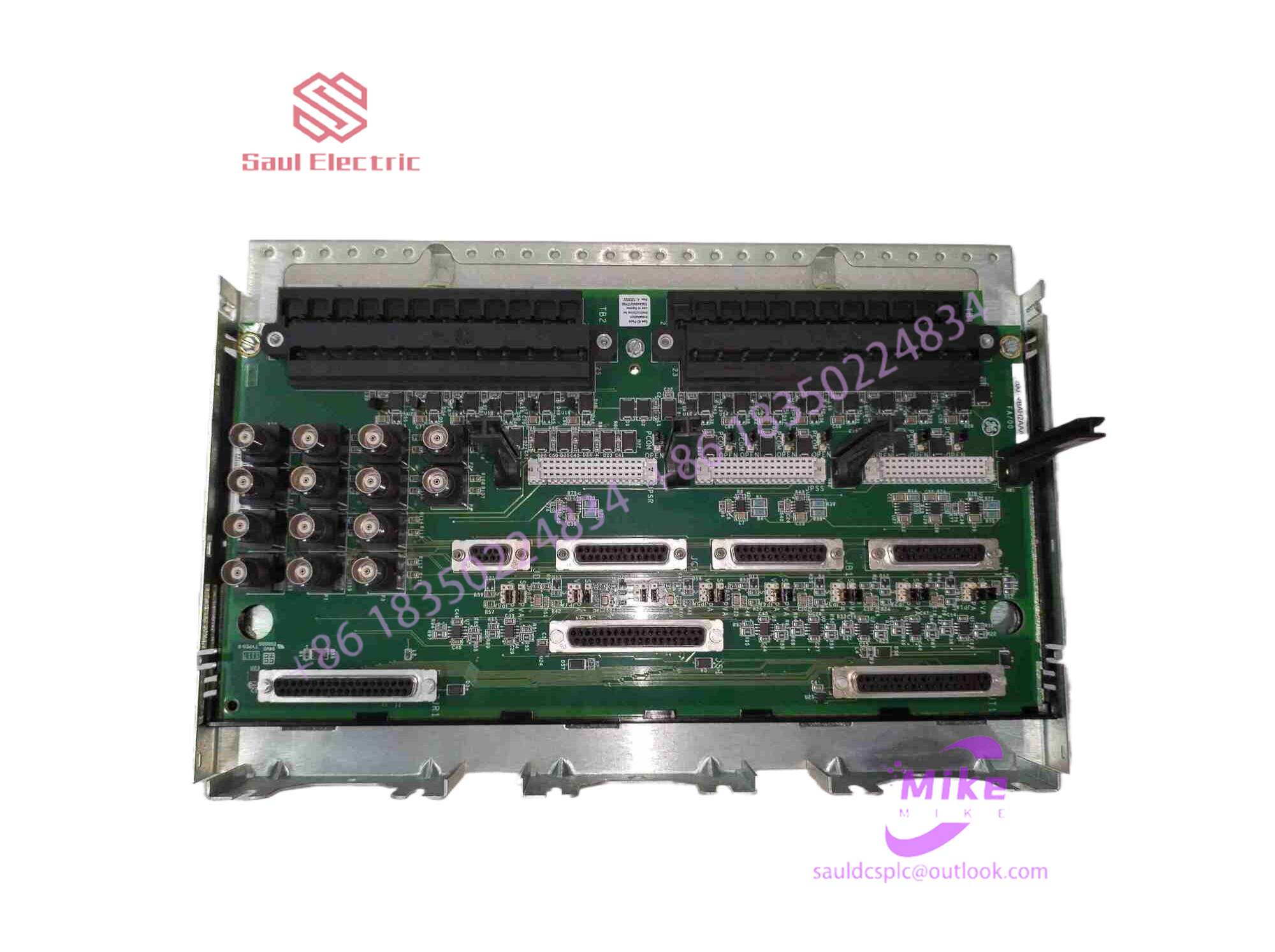

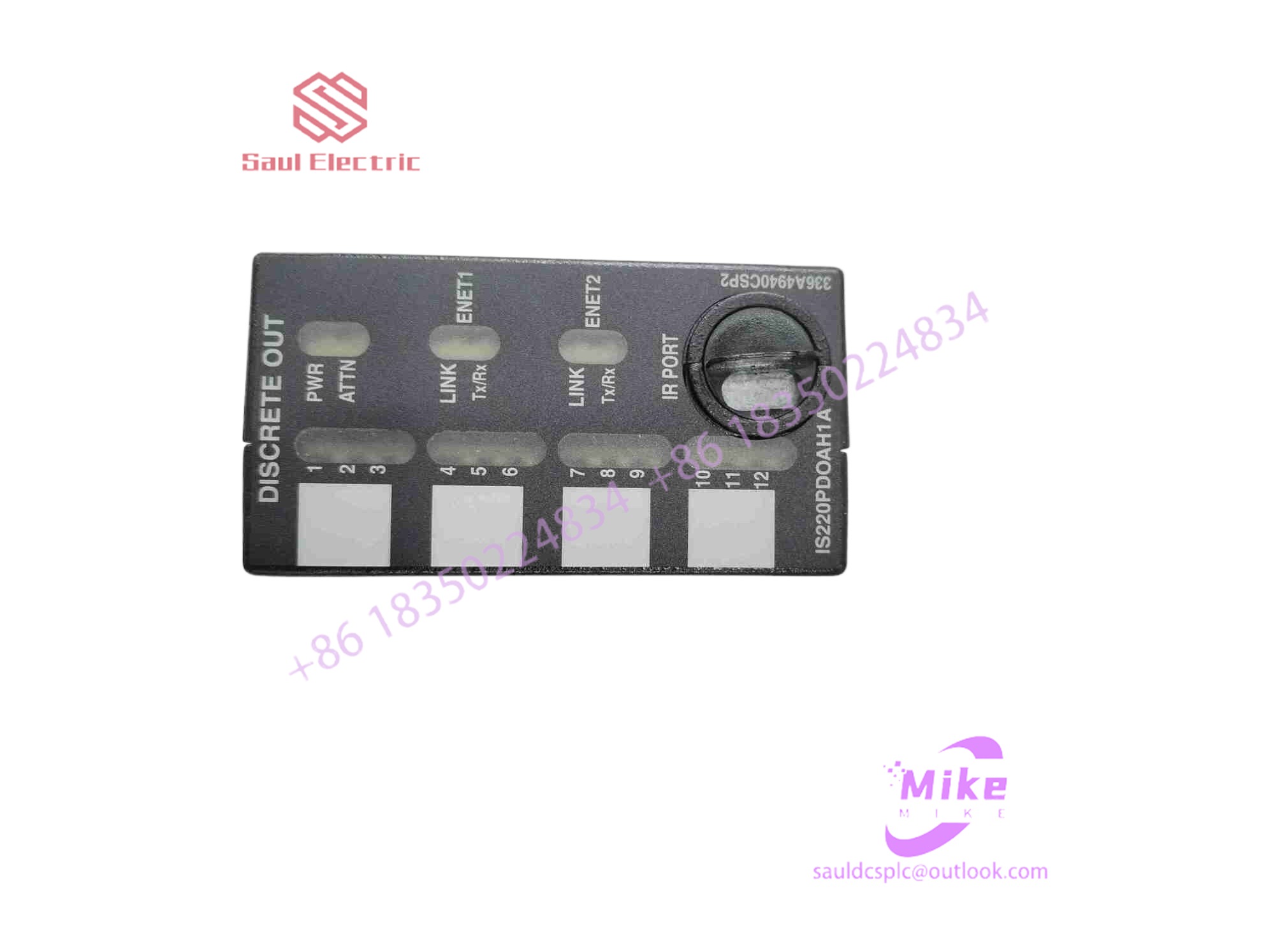
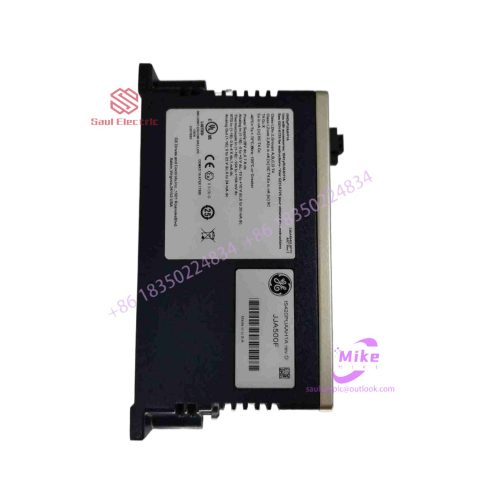
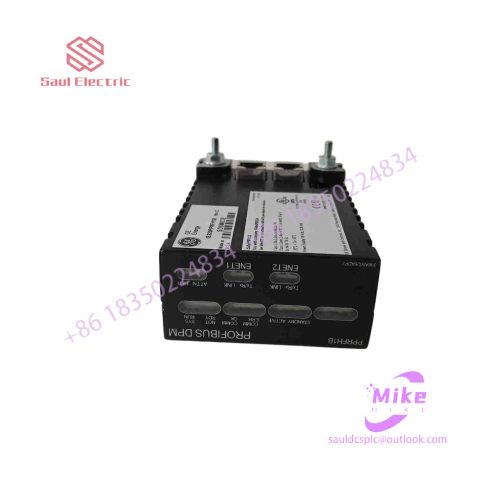
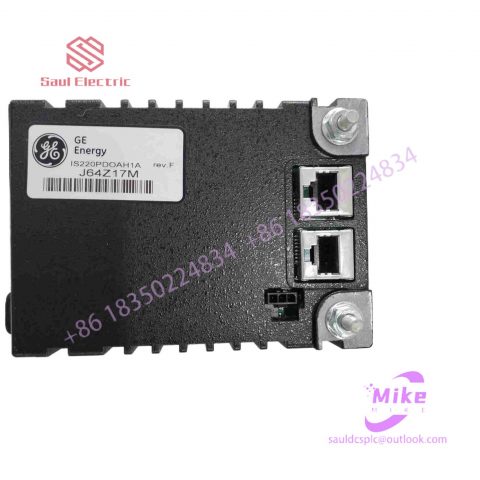
IS200DVIBH1BAB integrated circuit board
IS200DVIBH1BAB Product Introduction
Basic Information
Brand: GE (General Electric)
Model:IS200DVIBH1BAB
Part Number: IS200DVIBH1BAB
Series: Mark VIe Speedtronic Turbine Control System I/O Pack
Country of Origin: United States
Product Type: Discrete Input Module (Contact Input Module), also known as PDIA I/O Pack
contacts: Mike
+86 18350224834 (WeChat/WhatsApp)
Email:Mike18350224834@gmail.com
 Functional Overview
The IS200DVIBH1BAB is a 24-channel discrete (digital) input module in the GE Mark VIe control system. Its primary function is to collect discrete signals (contact open/close signals) generated by field devices such as sensors,
switches, and relays, convert them into digital signals that can be recognized and processed by the PLC or control system CPU,
and transmit the processed data to the GE Speedtronic turbine control system or other control equipment, enabling automated control and monitoring. Key Technical Specifications
Rated Voltage: 24.0 VDC (Nominal)
Maximum Rated Voltage: 28.6 VDC
Maximum Rated Contact Input Voltage: 32 VDC
Number of Input Channels: 24 Discrete Inputs
Operating Temperature Range: -30°C to +65°C
Environmental Adaptability: Passes rigorous environmental testing, capable of long-term stable operation in harsh industrial environments Compatible Terminal Boards
The IS200DVIBH1BAB can be paired with a variety of GE terminal boards, including but not limited to:
IS200STCIH1A / IS200STCIH2A
IS200STCIH8A
IS200TBCIH2C / IS200TBCIH4C
IS400STCIH1A / IS400STCIH2A / IS400STCIH8A
IS400TBCIH2C Certifications and Safety
This module is UL certified and can be used in both hazardous and non-hazardous locations. The UL certification covers various classes and divisions, and relevant UL mark documents are available for reference.
The cost of upstream raw materials such as PCB continues to rise. The procurement cost of LED raw materials has also begun to rise. Foreign companies have increased the prices of lighting products.
Starting in July, major PCB manufacturers in the industry, including Omway Electronics and Kingboard Group, have issued price increase notices. Under the dual pressure of environmental protection and rising raw material prices, more and more major PCB manufacturers are “bowing their heads” and choosing to increase prices. The entire PCB industry will also usher in a new situation after this wave of price increases, with the overall price increase expected to be 20%-30%.
Due to the double pressure of environmental protection and raw materials, PCB factories have no choice but to follow the rise.
The importance of PCB to electronic products is self-evident, but the serious environmental pollution problems caused by it during the production process cannot be ignored. Especially at the moment when ecological and environmental problems are prominent, green environmental protection has received great attention from the government and has formulated strict production and environmental protection standards. In order to respond to the government’s call and achieve sustainable development of the industry, major PCB manufacturers have made industrial adjustments and improved product manufacturing processes. This not only directly increases the price of product accessories and labor costs, but also leads to an increase in industry concentration.
At the same time, rising raw material prices have also made PCB companies breathless. Data shows that the cost of PCB raw materials accounts for approximately 33%, of which copper-clad laminate CCL accounts for 18% to 20%. Copper foil is the most important raw material for manufacturing copper-clad laminates, accounting for approximately 30% of the cost of copper-clad laminates (thick plates ) and 50% (thin plates). Due to the shortage of copper foil, the prices of various raw materials continue to rise. From the beginning of 2016 to the present, the price of PCB standard copper foil has increased by more than 50%. The copper foil processing fee and the effective copper-clad laminate selling price are higher than the original average levels respectively. 100% and 50%.
Under the dual pressure of environmental protection and rising raw material prices, many large PCB factories began to gradually “bow down” and chose to increase prices one after another. It is understood that from the emission restrictions in Kunshan, Jiangsu Province at the end of 2017, to the emission restrictions in Zhuhai and Shanghai, and now the strict inspections in Shenzhen, the entire PCB industry will usher in a new situation after this wave of price increases. The overall range is expected to be 20 -30%.
It can be seen that as the price of PCB boards continues to rise, some uncompetitive companies have begun to withdraw, and the competitive landscape has gradually tilted towards large manufacturers with bargaining power, environmental protection indicators, and production capacity reserves, leading to an increase in industry concentration.
At present, my country’s manufacturing industry is in the stage of transformation from low-end processing to high value-added manufacturing. Measures such as rising material prices, environmental protection rectification, and strengthening restrictions on enterprises paying taxes according to law are all powerful measures to reduce backward production capacity. Although enterprises are experiencing pain, upgrading is inevitable for all walks of life.
Forcing LED display companies to increase prices
As the cost of upstream raw materials such as PCB continues to rise, the procurement cost of LED raw materials has increased. Recently, LED display companies have also issued price increase notices.
On July 25, Leyard issued a price adjustment notice, saying that due to the rising cost of upstream raw materials, the procurement cost of LED raw materials has increased. In order to adapt to the demand of the LED display market, it has decided to increase the current price for the full range of indoor and outdoor products from now on. The selling price will be adjusted accordingly.
On July 26, Fujian Haijia Cailiang Optoelectronics Technology Co., Ltd. also issued a product price adjustment notice, deciding to adjust the selling prices of P series, D series, and A series products on the basis of the existing prices starting from August 1.
For LED display companies, this round of price increases is not only caused by industry pressure, but also a proactive strategy by the companies. On the one hand, the price increase of raw materials has exceeded the range that manufacturers can bear, and companies need to increase prices to ensure the quality of products; on the other hand, the industry needs to return to the level of rational competition, and proactive price increases are undoubtedly a good beginning.
Therefore, it is understandable for LED display companies to implement price increases, and it will even cause the price of the entire LED market to rise accordingly, pushing the LED display industry to get rid of the vicious competition of “low price” and move towards healthy price competition. In addition, “price increases” will also accelerate the reshuffle of the LED display industry. Those companies that lack innovation will either be eliminated or upgrade their products and take an innovative development route.
Lighting products of foreign companies have increased

There are no reviews yet.