
 HONG KONG SAUL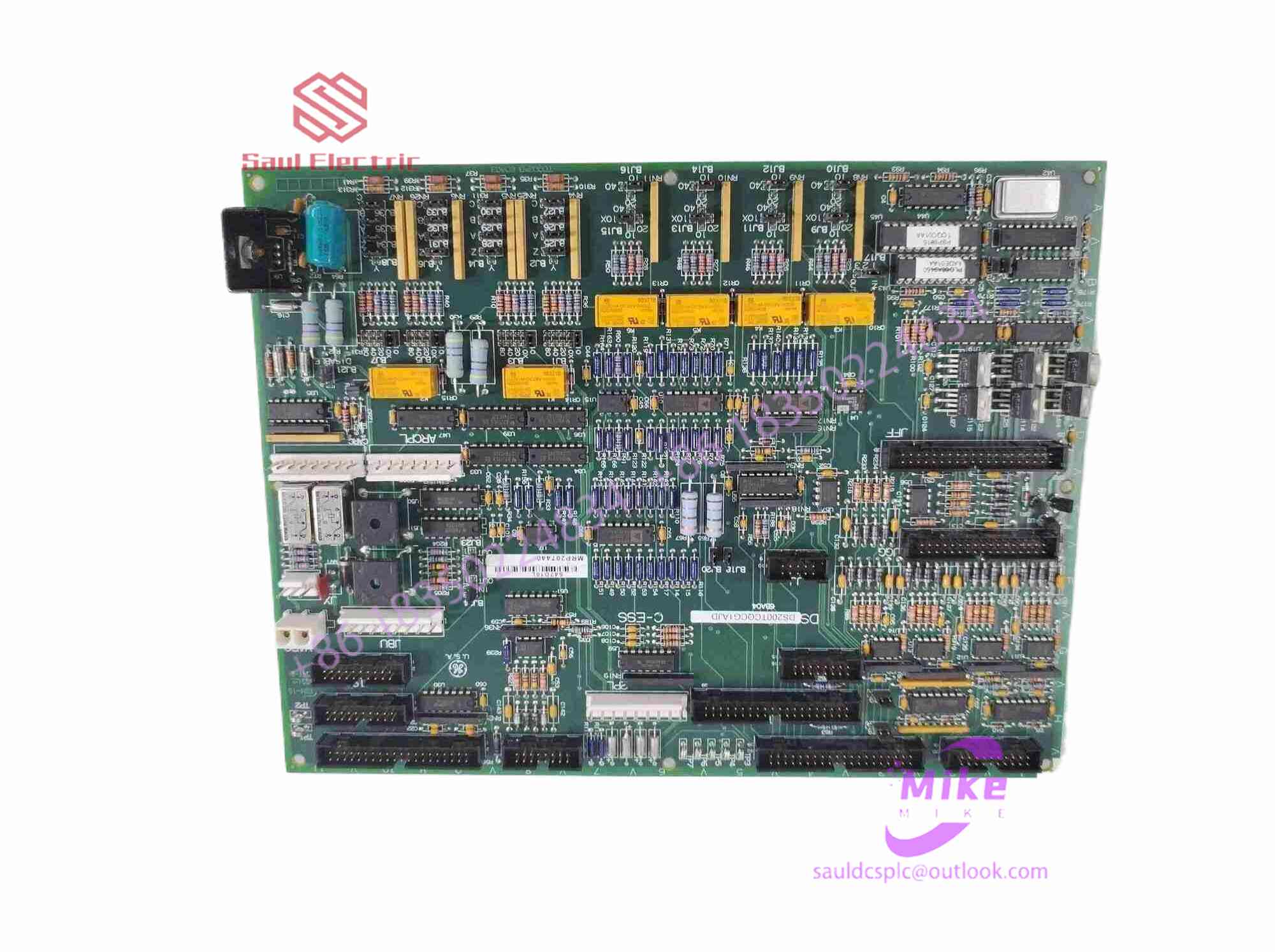

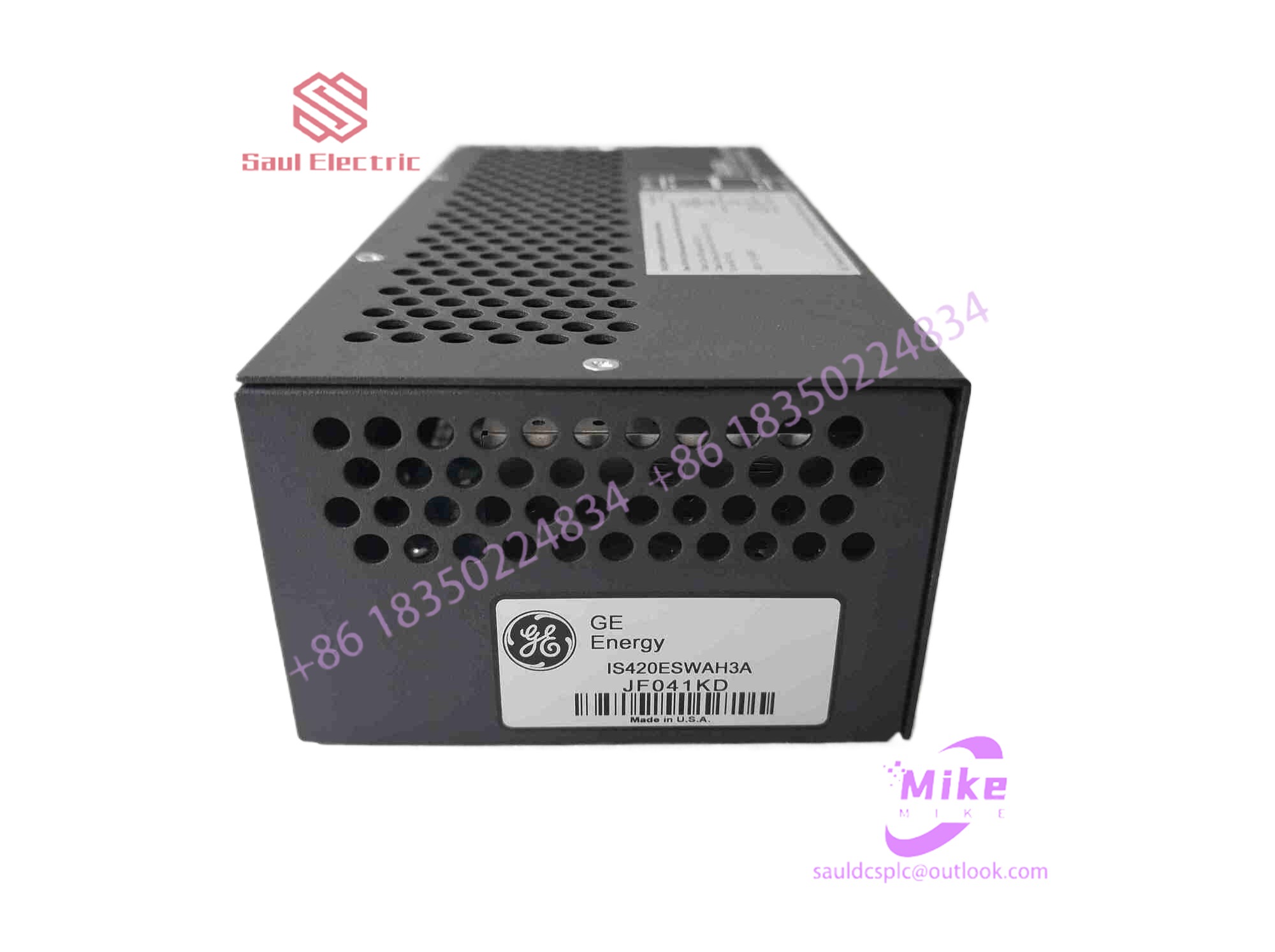
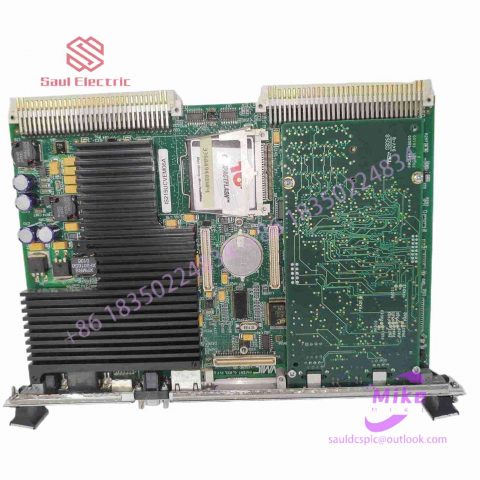
IS200EPSMG2AE Mark VIe Speedtronic
IS200EPSMG2AE Product Introduction
Basic Information
Brand: GE (General Electric)
Model:IS200EPSMG2AE
Part Number: IS200EPSMG2AE
Series: Mark VIe Speedtronic Turbine Control System I/O Pack
Country of Origin: United States
Product Type: Discrete Input Module (Contact Input Module), also known as PDIA I/O Pack
contacts: Mike
+86 18350224834 (WeChat/WhatsApp)
Email:Mike18350224834@gmail.com
 Functional Overview
The IS200EPSMG2AE is a 24-channel discrete (digital) input module in the GE Mark VIe control system. Its primary function is to collect discrete signals (contact open/close signals) generated by field devices such as sensors,
switches, and relays, convert them into digital signals that can be recognized and processed by the PLC or control system CPU,
and transmit the processed data to the GE Speedtronic turbine control system or other control equipment, enabling automated control and monitoring. Key Technical Specifications
Rated Voltage: 24.0 VDC (Nominal)
Maximum Rated Voltage: 28.6 VDC
Maximum Rated Contact Input Voltage: 32 VDC
Number of Input Channels: 24 Discrete Inputs
Operating Temperature Range: -30°C to +65°C
Environmental Adaptability: Passes rigorous environmental testing, capable of long-term stable operation in harsh industrial environments Compatible Terminal Boards
The IS200EPSMG2AE can be paired with a variety of GE terminal boards, including but not limited to:
IS200STCIH1A / IS200STCIH2A
IS200STCIH8A
IS200TBCIH2C / IS200TBCIH4C
IS400STCIH1A / IS400STCIH2A / IS400STCIH8A
IS400TBCIH2C Certifications and Safety
This module is UL certified and can be used in both hazardous and non-hazardous locations. The UL certification covers various classes and divisions, and relevant UL mark documents are available for reference.
Data shows that the global robot market size is US$25 billion (approximately 160 billion yuan) in 2020; this number is expected to grow to US$260 billion (approximately 1.7 trillion yuan) by 2030.
For a long time, managers of many companies have claimed to realize operational automation, but they have not achieved much substantive results. But now, the COVID-19 epidemic has changed everything, prompting them to accelerate their investment in this field. A huge wave of automation is coming.
Research firm Robo Global predicts that by the end of 2021, the global installed base of industrial robots will exceed 3.2 million units, double the number in 2015. The global industrial robot market is expected to rise from US$45 billion in 2020 to US$73 billion in 2025.
Nigel Wass, CEO of Publicis Sabent, said that companies are not just trying to return to the pre-epidemic operating model, but are completely restructuring the way they operate.
A new survey from think tank McKinsey Global Research found that about two-thirds of businesses around the world are doubling down on automation.
“We had a head start during the pandemic,” said Michael Schick, head of U.S. operations at Japanese robot maker Fanuc. As supply chains have been hit, manufacturers have been forced to find ways to be more flexible. Today’s most dexterous robots can pick very delicate things, such as strawberries, he said. Market demand for robots developed by Fanuc has surged, especially in industries such as e-commerce that have been greatly boosted by the epidemic.

There are no reviews yet.