
 HONG KONG SAUL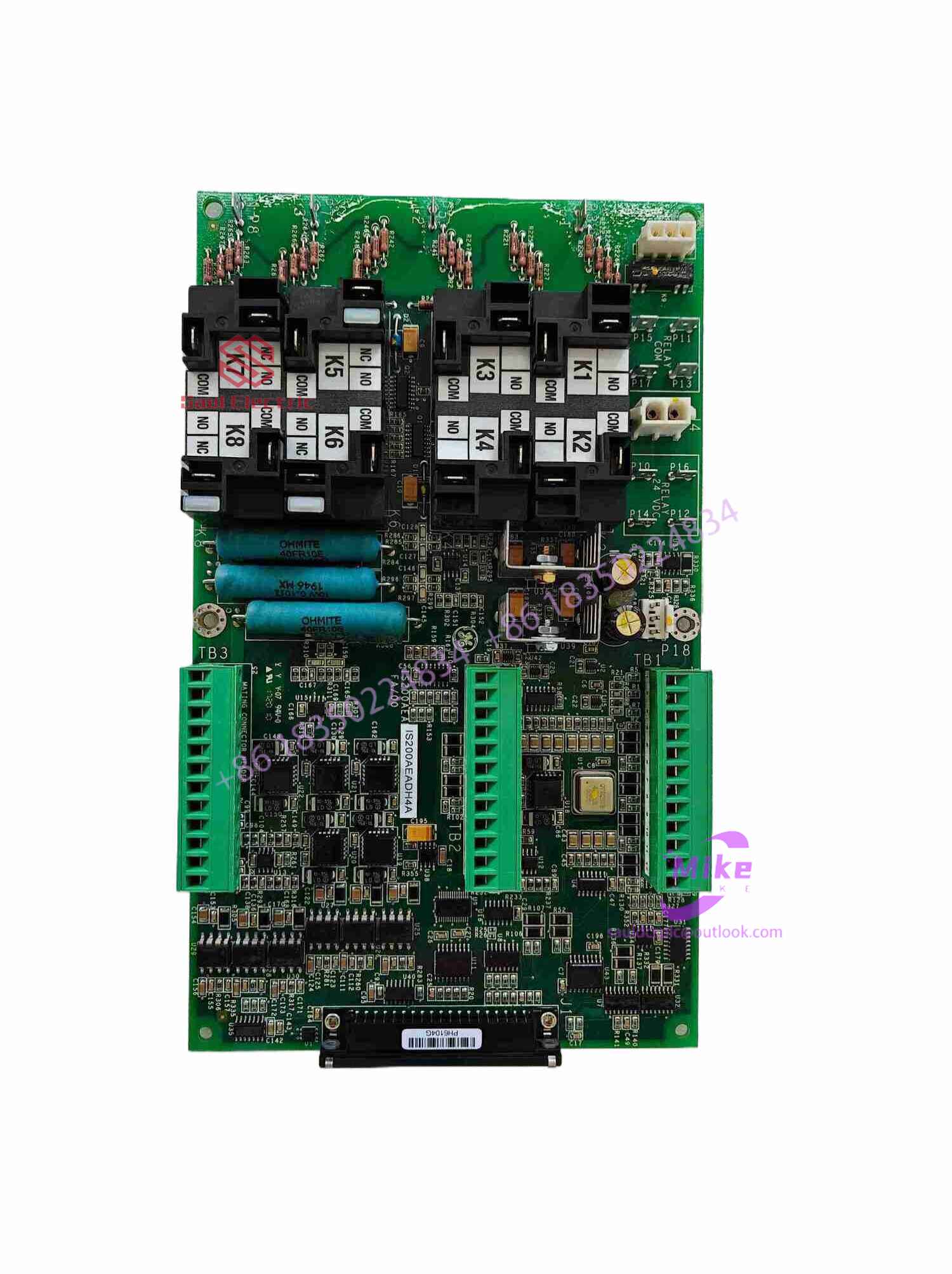

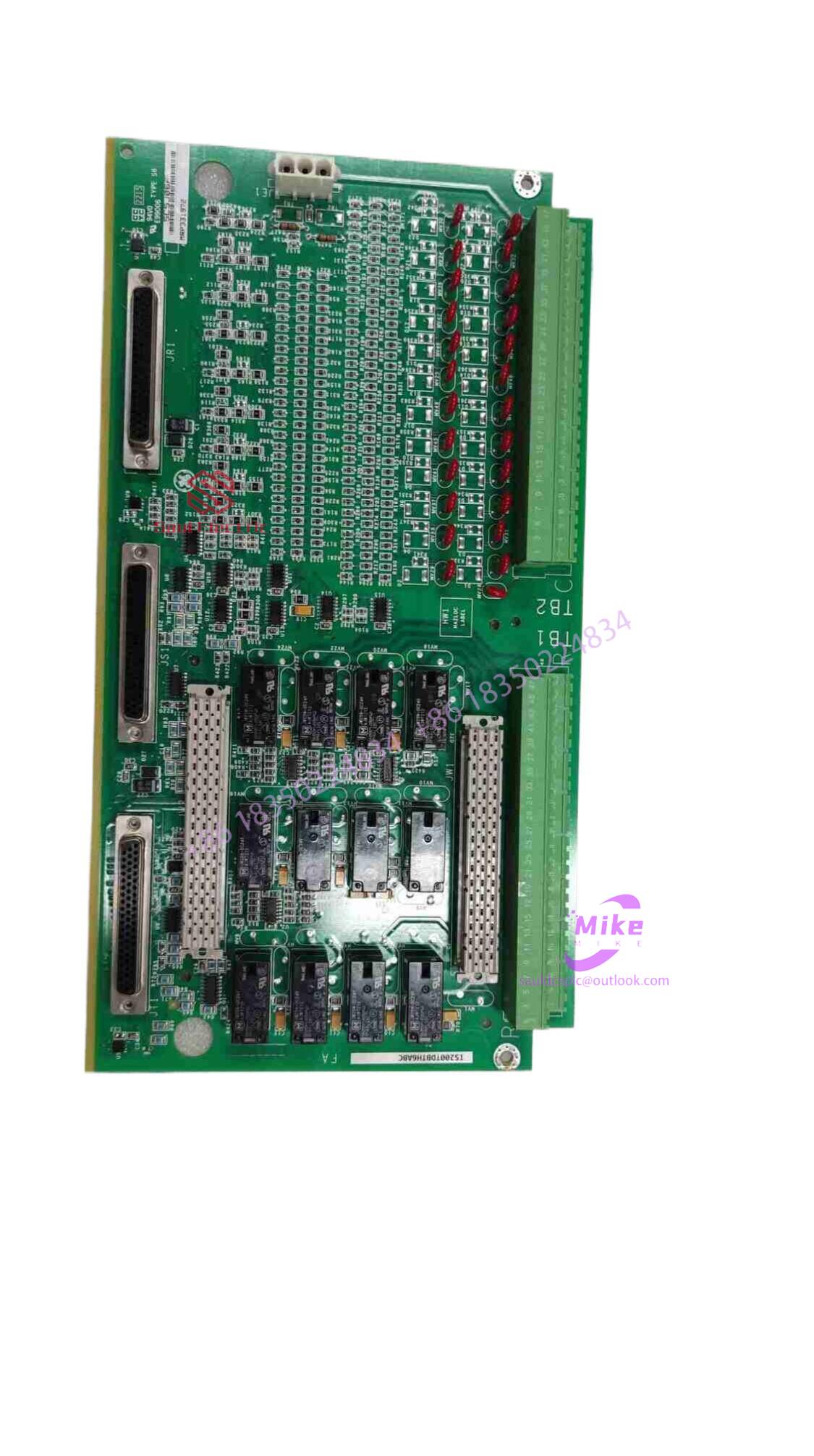
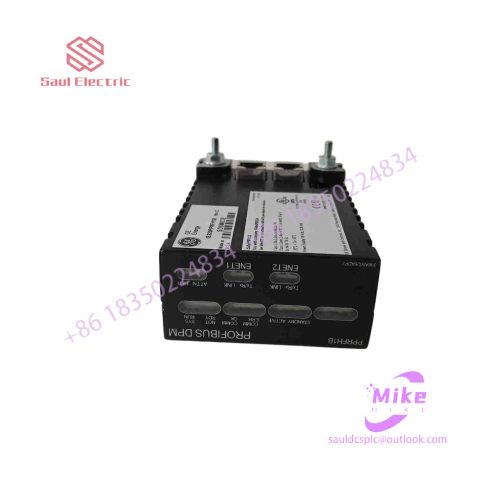
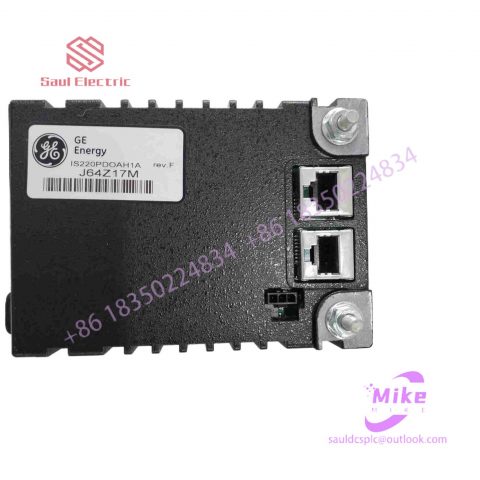
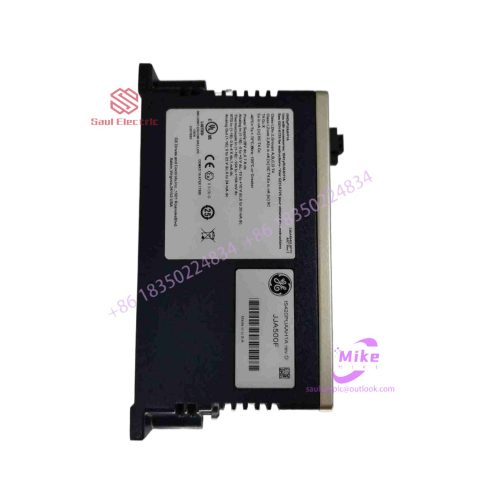
IS200FOSAG1A Mark VIe Control System
IS200FOSAG1A Product Introduction
Basic Information
Brand: GE (General Electric)
Model:IS200FOSAG1A
Part Number: IS200FOSAG1A
Series: Mark VIe Speedtronic Turbine Control System I/O Pack
Country of Origin: United States
Product Type: Discrete Input Module (Contact Input Module), also known as PDIA I/O Pack
contacts: Mike
+86 18350224834 (WeChat/WhatsApp)
Email:Mike18350224834@gmail.com
 Functional Overview
The IS200FOSAG1A is a 24-channel discrete (digital) input module in the GE Mark VIe control system. Its primary function is to collect discrete signals (contact open/close signals) generated by field devices such as sensors,
switches, and relays, convert them into digital signals that can be recognized and processed by the PLC or control system CPU,
and transmit the processed data to the GE Speedtronic turbine control system or other control equipment, enabling automated control and monitoring. Key Technical Specifications
Rated Voltage: 24.0 VDC (Nominal)
Maximum Rated Voltage: 28.6 VDC
Maximum Rated Contact Input Voltage: 32 VDC
Number of Input Channels: 24 Discrete Inputs
Operating Temperature Range: -30°C to +65°C
Environmental Adaptability: Passes rigorous environmental testing, capable of long-term stable operation in harsh industrial environments Compatible Terminal Boards
The IS200FOSAG1A can be paired with a variety of GE terminal boards, including but not limited to:
IS200STCIH1A / IS200STCIH2A
IS200STCIH8A
IS200TBCIH2C / IS200TBCIH4C
IS400STCIH1A / IS400STCIH2A / IS400STCIH8A
IS400TBCIH2C Certifications and Safety
This module is UL certified and can be used in both hazardous and non-hazardous locations. The UL certification covers various classes and divisions, and relevant UL mark documents are available for reference.
0 Preface
Germany’s “Industry 4.0” and the United States’ “Industrial Internet” will restructure the world’s industrial layout and economic structure, bringing different challenges and opportunities to countries around the world. The State Council of China issued “Made in China 2025” as an action plan for the first ten years of implementing the strategy of manufacturing a strong country, which will accelerate the integrated development of IoT technology and manufacturing technology [1]. IoT collects data on machine operations, material usage, facility logistics, etc., bringing transparency to operators. This transparency is brought about by the application of data analytics, which refers to the use of statistical and machine learning methods to discover different data characteristics and patterns. Machine learning technology is increasingly used in various manufacturing applications, such as predictive maintenance, test time reduction, supply chain optimization, and process optimization, etc. [2-4]. The manufacturing process of enterprises has gradually developed from the traditional “black box” model to the “multi-dimensional, transparent and ubiquitous perception” model [5].
1 Challenges facing manufacturing analysis
The goal of manufacturing analytics is to increase productivity by reducing costs without compromising quality:
(1) Reduce test time and calibration, including predicting test results and calibration parameters;
(2) Improve quality and reduce the cost of producing scrap (bad parts) by identifying the root causes of scrap and optimizing the production line on its own;
(3) Reduce warranty costs, use quality testing and process data to predict field failures, and cross-value stream analysis;
(4) Increase throughput, benchmark across production lines and plants, improve first-pass rates, improve first-pass throughput, and identify the cause of performance bottlenecks such as overall equipment effectiveness (OEE) or cycle time;

There are no reviews yet.