
 HONG KONG SAUL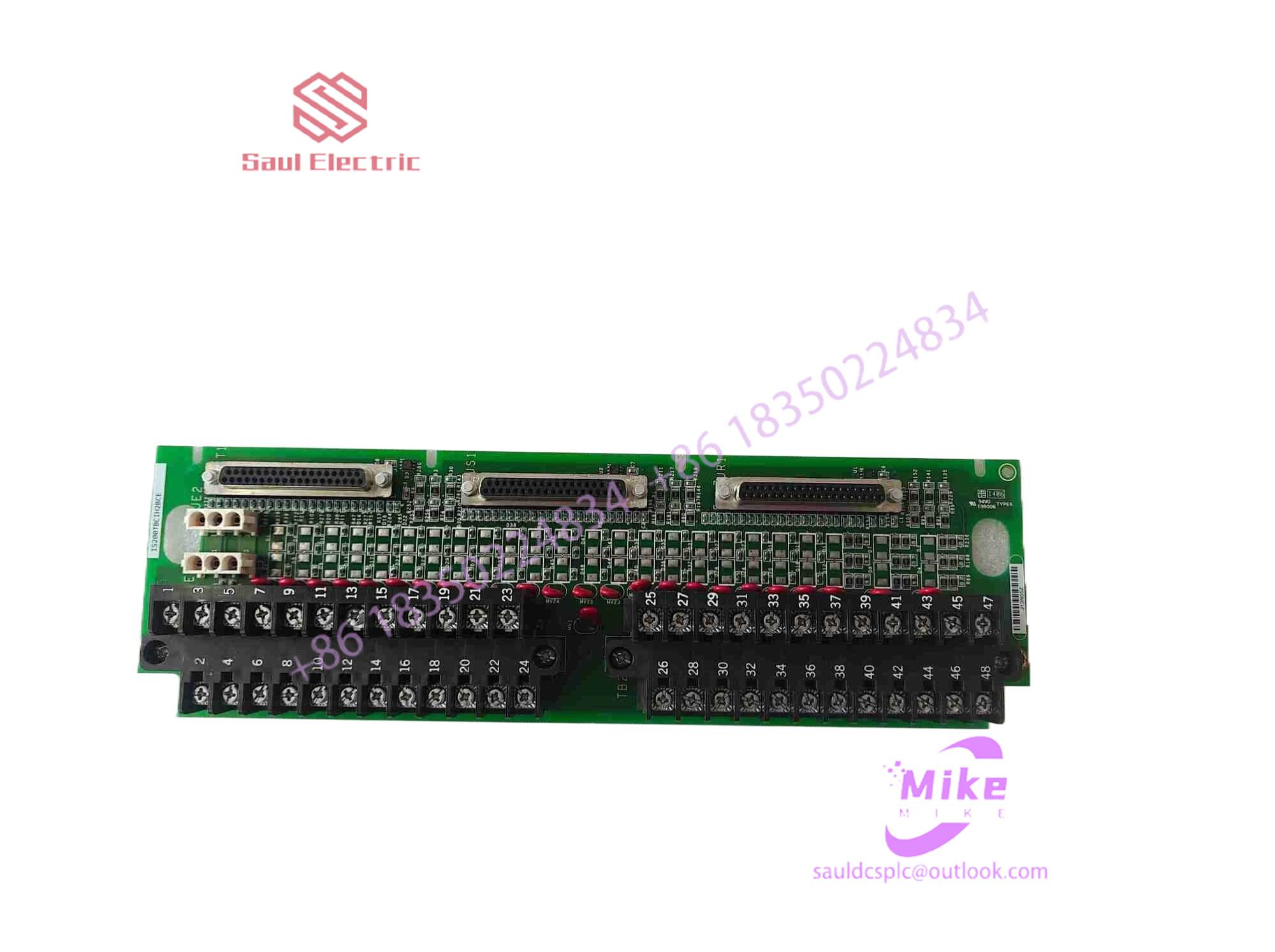

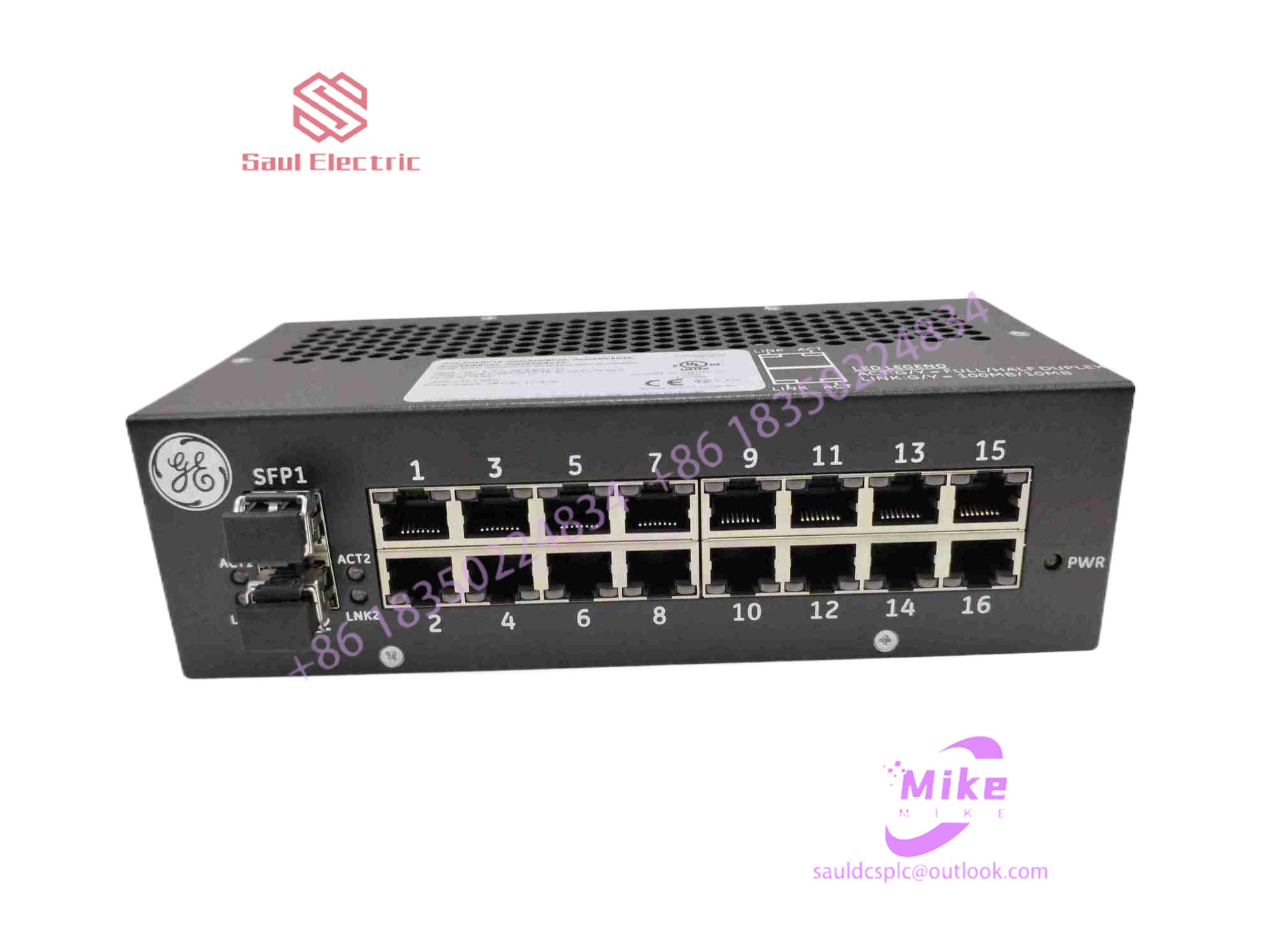
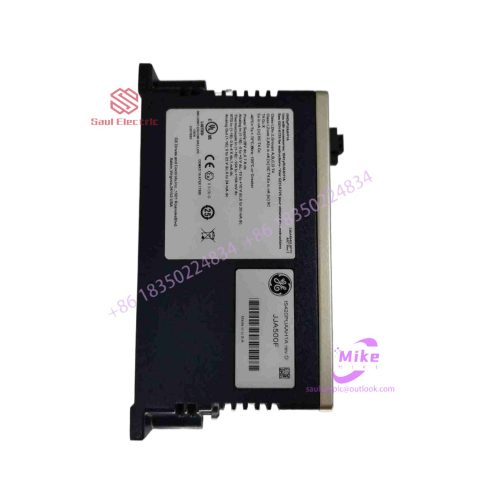
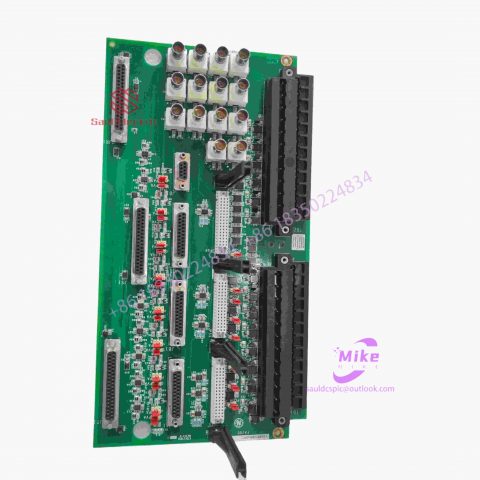
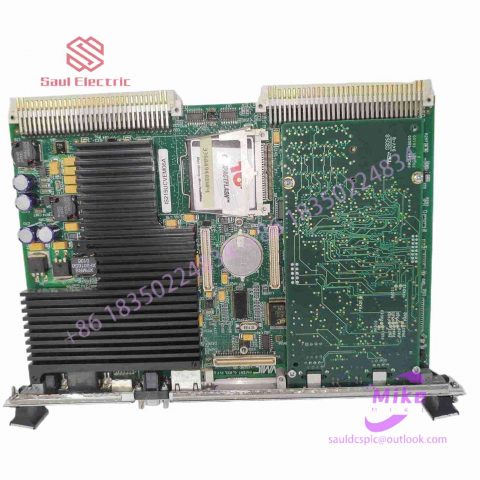
IS200SCTLG1ABA Mark VIe Speedtronic
IS200SCTLG1ABA Product Introduction
Basic Information
Brand: GE (General Electric)
Model:IS200SCTLG1ABA
Part Number: IS200SCTLG1ABA
Series: Mark VIe Speedtronic Turbine Control System I/O Pack
Country of Origin: United States
Product Type: Discrete Input Module (Contact Input Module), also known as PDIA I/O Pack
contacts: Mike
+86 18350224834 (WeChat/WhatsApp)
Email:Mike18350224834@gmail.com
 Functional Overview
The IS200SCTLG1ABA is a 24-channel discrete (digital) input module in the GE Mark VIe control system. Its primary function is to collect discrete signals (contact open/close signals) generated by field devices such as sensors,
switches, and relays, convert them into digital signals that can be recognized and processed by the PLC or control system CPU,
and transmit the processed data to the GE Speedtronic turbine control system or other control equipment, enabling automated control and monitoring. Key Technical Specifications
Rated Voltage: 24.0 VDC (Nominal)
Maximum Rated Voltage: 28.6 VDC
Maximum Rated Contact Input Voltage: 32 VDC
Number of Input Channels: 24 Discrete Inputs
Operating Temperature Range: -30°C to +65°C
Environmental Adaptability: Passes rigorous environmental testing, capable of long-term stable operation in harsh industrial environments Compatible Terminal Boards
The IS200SCTLG1ABA can be paired with a variety of GE terminal boards, including but not limited to:
IS200STCIH1A / IS200STCIH2A
IS200STCIH8A
IS200TBCIH2C / IS200TBCIH4C
IS400STCIH1A / IS400STCIH2A / IS400STCIH8A
IS400TBCIH2C Certifications and Safety
This module is UL certified and can be used in both hazardous and non-hazardous locations. The UL certification covers various classes and divisions, and relevant UL mark documents are available for reference.
[Introduction] PLC and frequency converter are two important electrical equipment in the field of industrial automation control. This book combines the introductory knowledge of PLC and frequency converter. The main contents include introduction to PLC, PLC composition and principle, and the use and application of PLC programming software. System development, basic instructions and applications, step instructions and applications, functional instructions and use, the structure and principle of the frequency converter, the use of the frequency converter, as well as the selection, installation and maintenance of the frequency converter.
What is a frequency converter ? Generally speaking, it is: AC – DC – AC (it can also be said to be rectifier first – then inverter). The frequency converter that undergoes this process is also called AC-DC-AC frequency conversion. Currently, it is also used in various industries. One of the more commonly used ones. In addition, there is also an AC-AC conversion, which is also called an AC converter.
1. What is a frequency converter?
Frequency converter is a power control device that uses the on-off function of power semiconductor devices to convert industrial frequency power into another frequency. The frequency converter is mainly composed of rectifier (AC to DC), filtering, inverter (DC to AC), braking unit, drive unit, detection unit, microprocessing unit, etc.
The frequency converter is a device that converts industrial frequency power supply (50Hz or 60Hz) into AC power supply of various frequencies to realize variable speed operation of the motor. The control circuit completes the control of the main circuit, and the rectifier circuit converts the AC power into DC power. The DC intermediate The circuit smoothes and filters the output of the rectifier circuit, and the inverter circuit reverses the DC power into AC power. For inverters that require a lot of calculations, such as vector control inverters, sometimes a CPU for torque calculation and some corresponding circuits are needed. Variable frequency speed regulation achieves the purpose of speed regulation by changing the frequency of power supply to the motor stator winding.

There are no reviews yet.