
 HONG KONG SAUL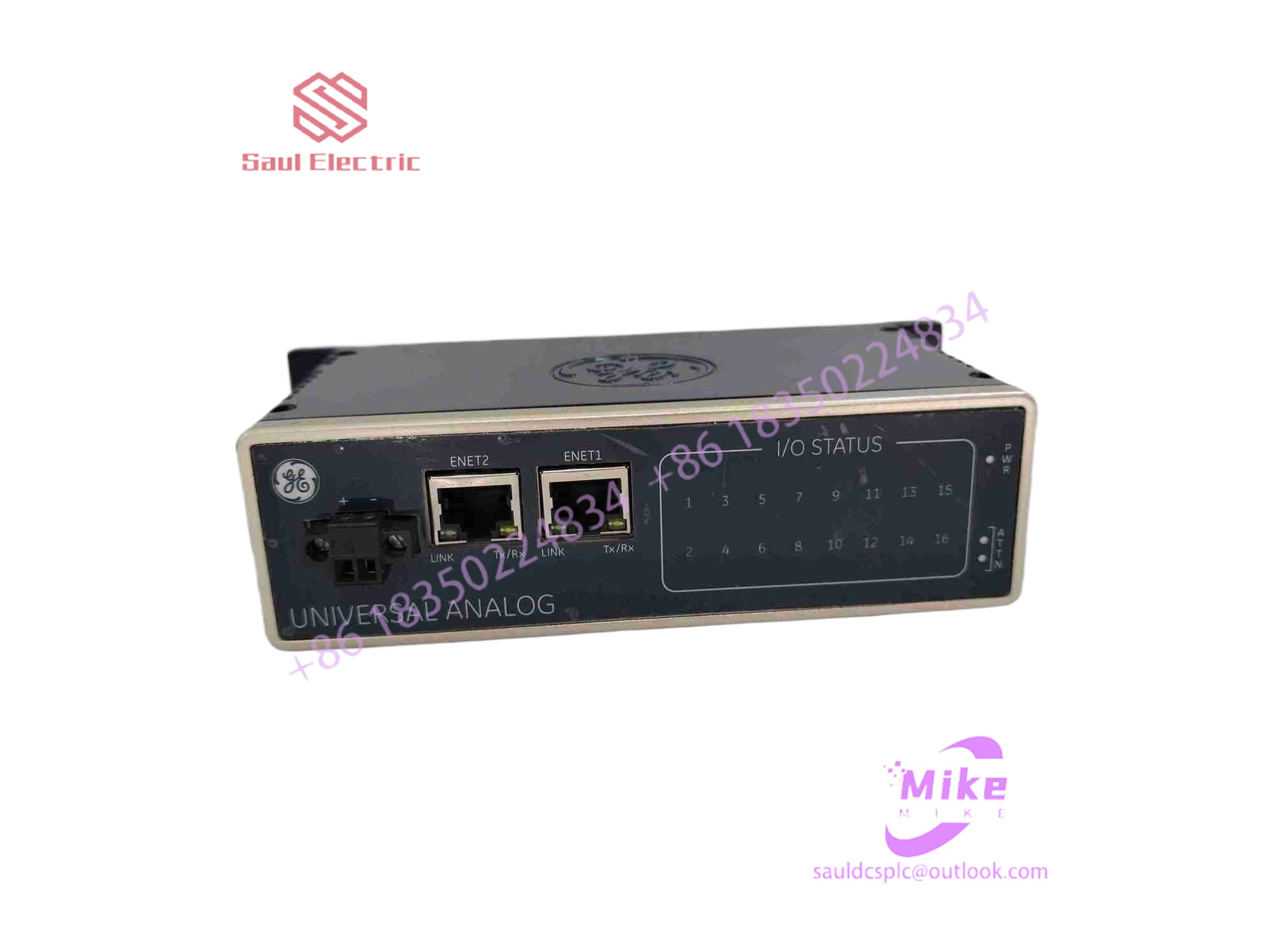

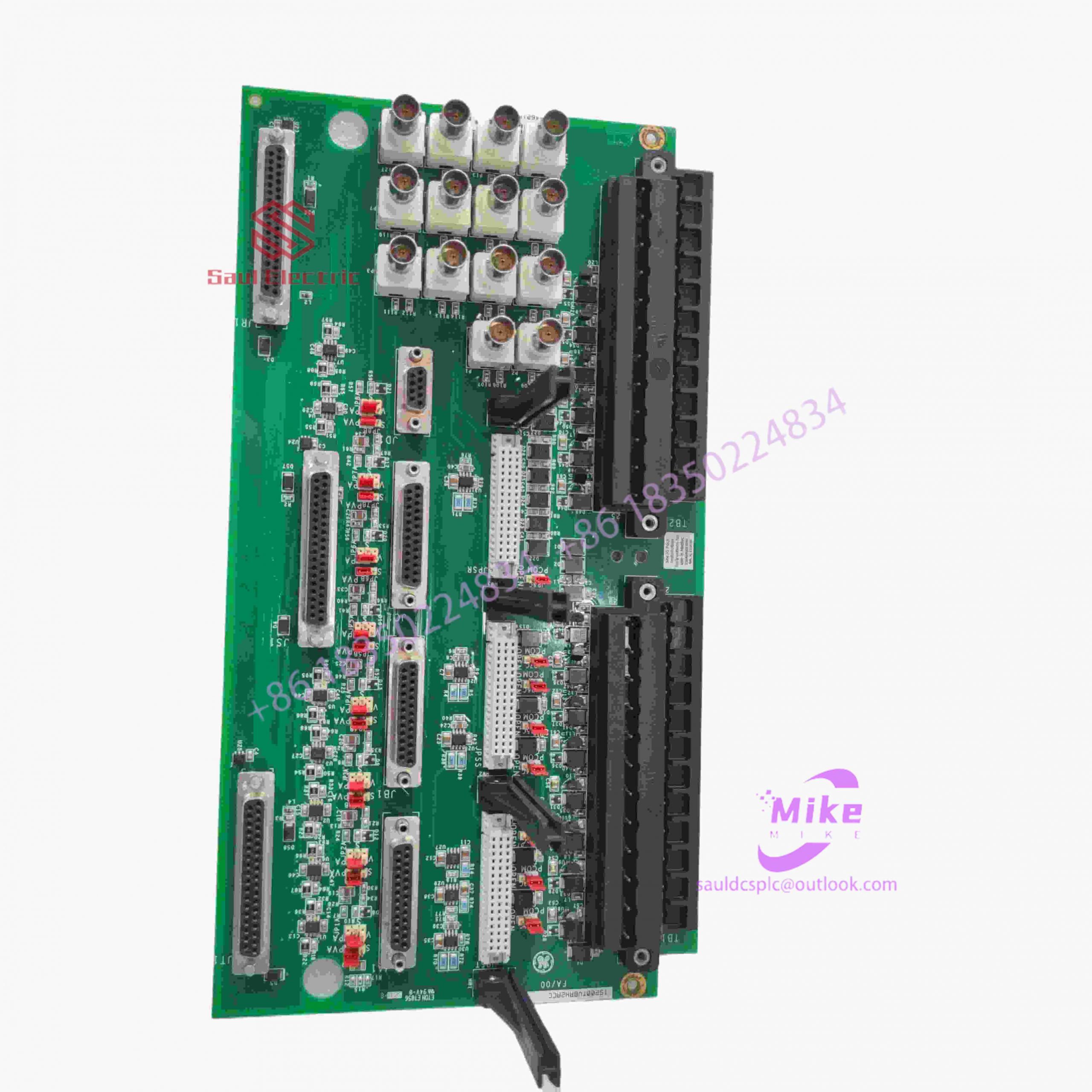
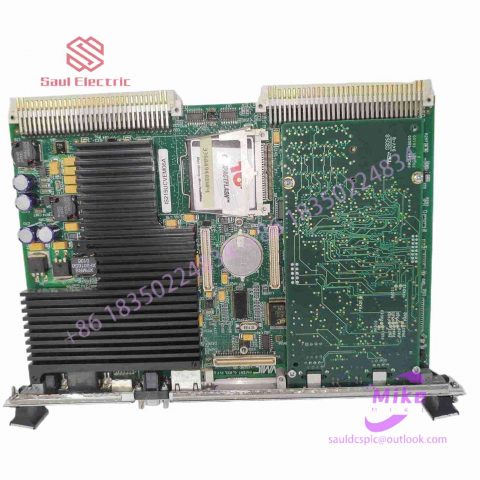
IS215ACLEH1BB Mark VIe Control System
IS215ACLEH1BB Product Introduction
Basic Information
Brand: GE (General Electric)
Model:IS215ACLEH1BB
Part Number: IS215ACLEH1BB
Series: Mark VIe Speedtronic Turbine Control System I/O Pack
Country of Origin: United States
Product Type: Discrete Input Module (Contact Input Module), also known as PDIA I/O Pack
contacts: Mike
+86 18350224834 (WeChat/WhatsApp)
Email:Mike18350224834@gmail.com
 Functional Overview
The IS215ACLEH1BB is a 24-channel discrete (digital) input module in the GE Mark VIe control system. Its primary function is to collect discrete signals (contact open/close signals) generated by field devices such as sensors,
switches, and relays, convert them into digital signals that can be recognized and processed by the PLC or control system CPU,
and transmit the processed data to the GE Speedtronic turbine control system or other control equipment, enabling automated control and monitoring. Key Technical Specifications
Rated Voltage: 24.0 VDC (Nominal)
Maximum Rated Voltage: 28.6 VDC
Maximum Rated Contact Input Voltage: 32 VDC
Number of Input Channels: 24 Discrete Inputs
Operating Temperature Range: -30°C to +65°C
Environmental Adaptability: Passes rigorous environmental testing, capable of long-term stable operation in harsh industrial environments Compatible Terminal Boards
The IS215ACLEH1BB can be paired with a variety of GE terminal boards, including but not limited to:
IS200STCIH1A / IS200STCIH2A
IS200STCIH8A
IS200TBCIH2C / IS200TBCIH4C
IS400STCIH1A / IS400STCIH2A / IS400STCIH8A
IS400TBCIH2C Certifications and Safety
This module is UL certified and can be used in both hazardous and non-hazardous locations. The UL certification covers various classes and divisions, and relevant UL mark documents are available for reference.
3 Case Studies on Reducing Scrap Rates
Any product assembled or produced in a factory goes through a series of quality tests to determine whether it needs to be scrapped. High scrap rates are caused by the opportunity cost of not delivering products to customers in a timely manner, wasted personnel time, wasted non-reusable parts, and equipment overhead expenses. Reducing scrap rates is one of the main issues manufacturers need to address. Ways to reduce scrap include identifying the root causes of low product quality.
3.1 Data processing
Root cause analysis begins by integrating all available data on the production line. Assembly lines, workstations, and machines make up the industrial production unit and can be considered equivalent to IoT sensor networks. During the manufacturing process, information about process status, machine status, tools and components is constantly transferred and stored. The volume, scale, and frequency of factory production considered in this case study necessitated the use of a big data tool stack similar to the one shown in Figure 2 for streaming, storing, preprocessing, and connecting data. This data pipeline helps build machine learning models on batch historical data and streaming real-time data. While batch data analytics helps identify issues in the manufacturing process, streaming data analytics gives factory engineers regular access to the latest issues and their root causes. Use Kafka (https://kafka.apache.org) and Spark streaming (http://spark.apache.org/streaming) to transmit real-time data from different data sources; use Hadoo (http://hadoop.apache.org ) and HBase (https://hbase.apache.org) to store data efficiently; use Spark (http://spark.apache.org) and MapReduce framework to analyze data. The two main reasons to use these tools are their availability as open source products, and their large and active developer network through which these tools are constantly updated.

There are no reviews yet.