
 HONG KONG SAUL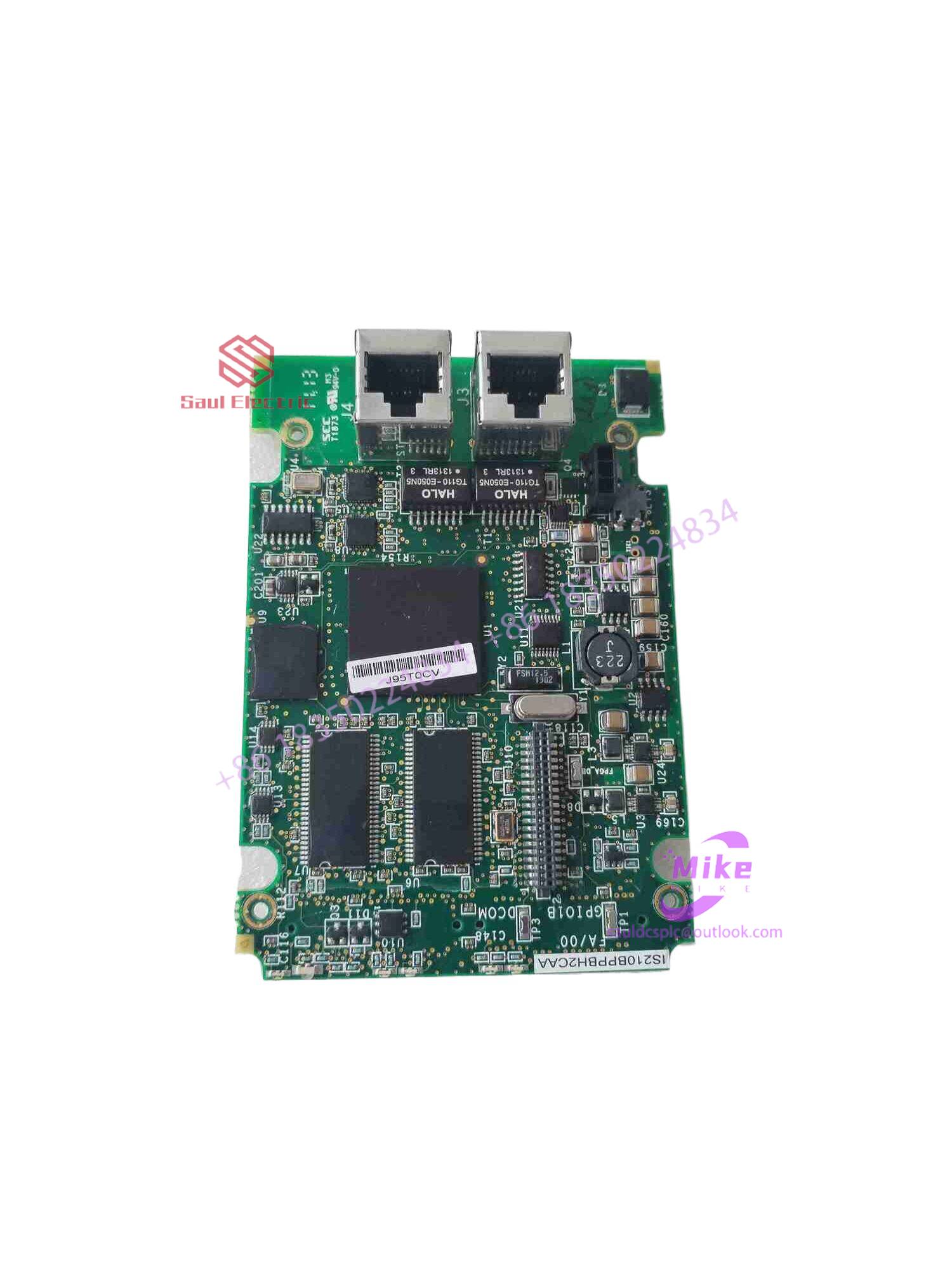

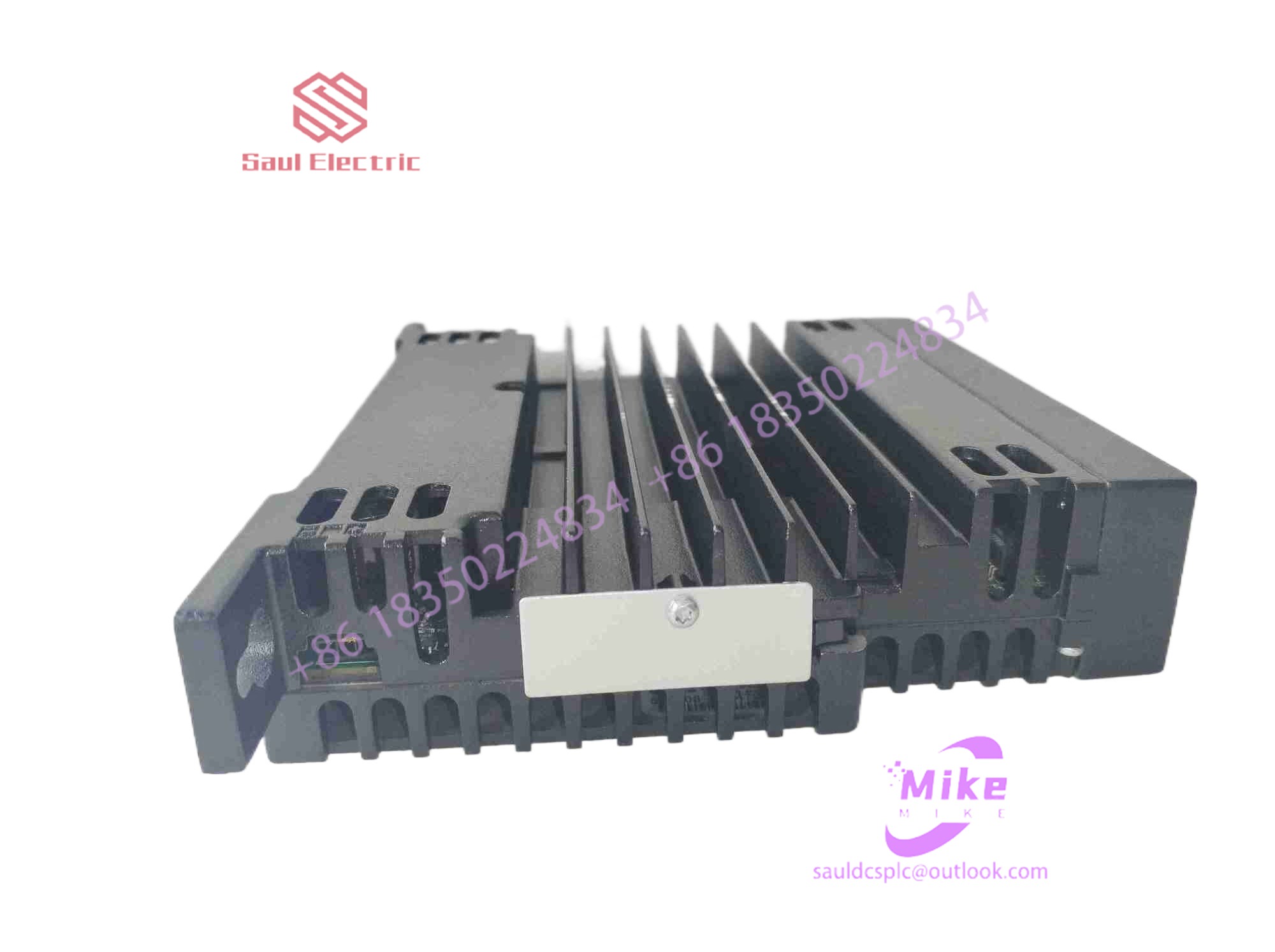
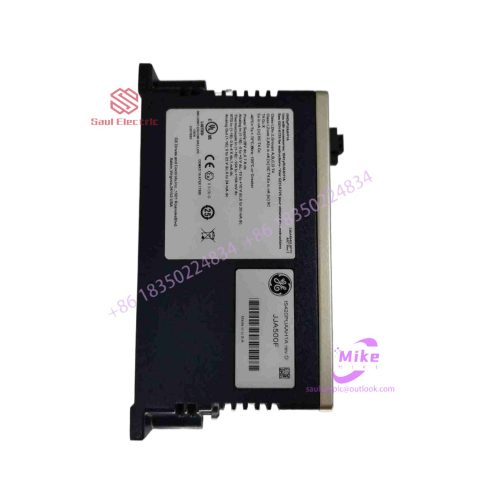
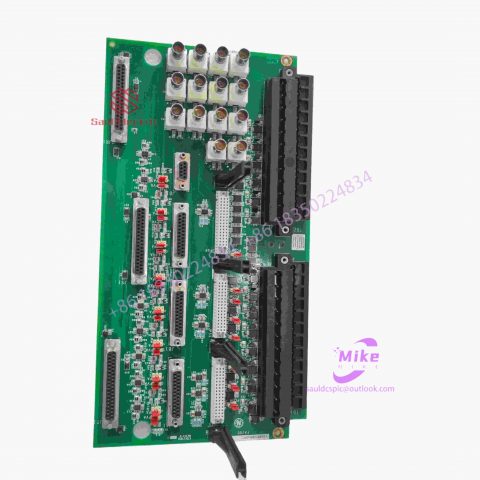
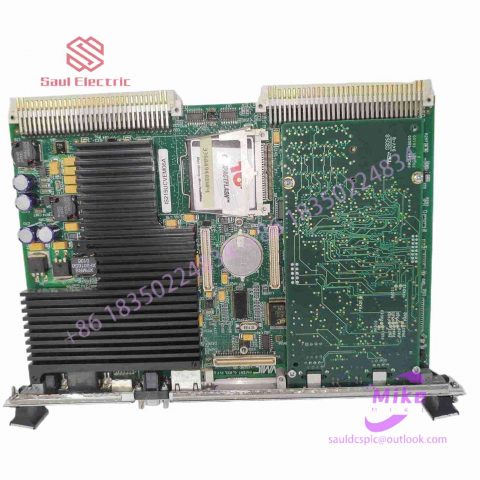
IS215ISBBH1A Mark VIe Speedtronic
IS215ISBBH1A Product Introduction
Basic Information
Brand: GE (General Electric)
Model:IS215ISBBH1A
Part Number: IS215ISBBH1A
Series: Mark VIe Speedtronic Turbine Control System I/O Pack
Country of Origin: United States
Product Type: Discrete Input Module (Contact Input Module), also known as PDIA I/O Pack
contacts: Mike
+86 18350224834 (WeChat/WhatsApp)
Email:Mike18350224834@gmail.com
 Functional Overview
The IS215ISBBH1A is a 24-channel discrete (digital) input module in the GE Mark VIe control system. Its primary function is to collect discrete signals (contact open/close signals) generated by field devices such as sensors,
switches, and relays, convert them into digital signals that can be recognized and processed by the PLC or control system CPU,
and transmit the processed data to the GE Speedtronic turbine control system or other control equipment, enabling automated control and monitoring. Key Technical Specifications
Rated Voltage: 24.0 VDC (Nominal)
Maximum Rated Voltage: 28.6 VDC
Maximum Rated Contact Input Voltage: 32 VDC
Number of Input Channels: 24 Discrete Inputs
Operating Temperature Range: -30°C to +65°C
Environmental Adaptability: Passes rigorous environmental testing, capable of long-term stable operation in harsh industrial environments Compatible Terminal Boards
The IS215ISBBH1A can be paired with a variety of GE terminal boards, including but not limited to:
IS200STCIH1A / IS200STCIH2A
IS200STCIH8A
IS200TBCIH2C / IS200TBCIH4C
IS400STCIH1A / IS400STCIH2A / IS400STCIH8A
IS400TBCIH2C Certifications and Safety
This module is UL certified and can be used in both hazardous and non-hazardous locations. The UL certification covers various classes and divisions, and relevant UL mark documents are available for reference.
The growth rate of the industry’s overall net profit attributable to parent companies continues to decline, and the phenomenon of increasing industry revenue without increasing profits is obvious. In 2018, the industry as a whole achieved a net profit attributable to the parent company of 3.250 billion yuan, with a year-on-year growth rate of -26.42%. Although the overall revenue growth rate was positive in 2018, in the context of the fierce price war in the industry, increasing revenue does not increase profits. The phenomenon is very significant. In 2019Q1-3, the industry as a whole achieved net profit attributable to the parent company of 1.888 billion yuan, a year-on-year growth rate of -43.63%, and the growth rate of net profit attributable to the parent company continued to decline. Judging from the net profit attributable to the parent company of the industry in a single quarter, dragged down by the poor performance of New Star, the net profit attributable to the parent company of the industry in the single quarter of 2018 Q4 suffered a loss of 98 million yuan. The net profit performance of the industry attributable to the parent company has continued to be sluggish since 2019. . It is expected that the decline in the industry’s net profit attributable to the parent company for the whole year will narrow compared with the first three quarters, and the overall profitability will hit a historical bottom.
The industry’s overall gross profit margin and net profit margin have continued to decline since 2017, and changes in gross profit margin and net profit margin in a single quarter are negatively correlated or related to the pace of corporate expense control. In 2019Q1-3, the overall gross profit margin of the industry was 28.68%, and the net profit margin was 5.54%. It has continued to decline since reaching a historical high in 2017, and the decline curve has gradually flattened. It is expected that the overall gross profit margin decline is expected to stabilize in 2020, and the net profit margin may be Ushering in upward repair. Judging from the changes in the industry’s overall gross profit margin and net profit margin in a single quarter, the two show a certain negative correlation. This may be due to the company’s reduction in gross profit margin due to fierce price wars or falling sales volume caused by the industry downturn. It is related to its own period expenses. On the contrary, when the gross profit margin rebounds, the company’s period expenses will increase to a certain extent.
The industry’s overall operating cash flow has significant seasonal characteristics, and most sales collections are concentrated in Q4, which leads to an improvement in overall cash flow. In 2019Q1-3, the industry’s overall operating net cash flow was 580 million yuan, accounting for 1.52% of operating income. There is a big gap between this value and the whole year in previous years. Through the analysis of single-quarter data, it is found that the industry generally has negative operating net cash flow in the first quarter, and there will be a substantial inflow of operating net cash flow in the fourth quarter, thus driving the overall industry. Cash flow improved. China Merchants Bank Research Institute believes that this is mainly related to the industry’s payment methods. Most companies in the industry will advance capital investment after receiving orders at the beginning of the year, resulting in greater cash flow outflow. As the project settlement is gradually accepted and completed at the end of the year, payment collections are concentrated in the year. Tail release.
5. A drop in short-term prosperity will not change the long-term growth trend
In 2018, global industrial robot sales reached 422,000 units, a year-on-year increase of 11.05%. IFR predicts that the sales growth rate in 2019 will reach -0.24%. In 2018, the total sales of industrial robots in my country was approximately 154,000 units, accounting for 36.49% of global sales. It is still the largest industrial robot market in the world.
In 2018, the sales of industrial robots in my country reached US$5.4 billion, an increase of 21% over 2017. The decrease in sales volume but the increase in sales indicate that the average value of each industrial robot used in my country is increasing, and the products are gradually moving from low-end to mid-to-high-end. . From the perspective of industrial robot density, Singapore reached 831 units/ten thousand people in 2018, the highest in the world, followed by South Korea (774 units) and Germany (338 units). my country’s industrial robot density was 140 units/ten thousand people, higher than the world’s Average for each region (99 units).
Compared with Singapore, South Korea, Germany and other developed countries in manufacturing automation, my country’s industrial robot sales still have a lot of room for improvement, and the long-term growth trend of the industry is clear. Through the overall third quarter report data of listed companies, we found that the overall industry revenue in 2019Q1-3 declined slightly year-on-year, and the negative growth in single-quarter revenue narrowed significantly; the growth rate of the industry’s net profit attributable to parent companies continued to decline, and the industry’s increase in revenue did not increase profits. The industry as a whole Operating cash flow has significant seasonal characteristics, and most sales collections are concentrated in Q4, which leads to&n

There are no reviews yet.