
 HONG KONG SAUL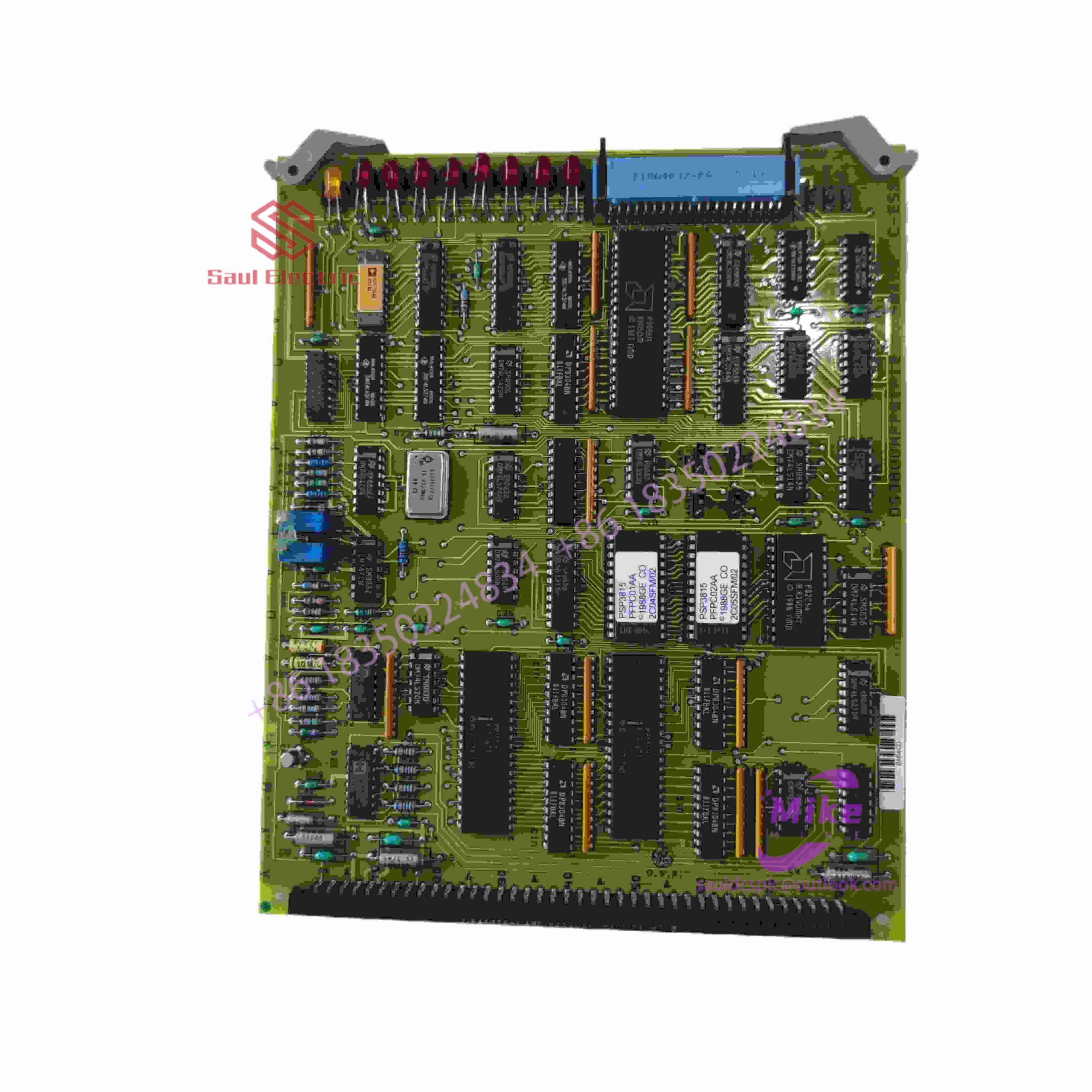

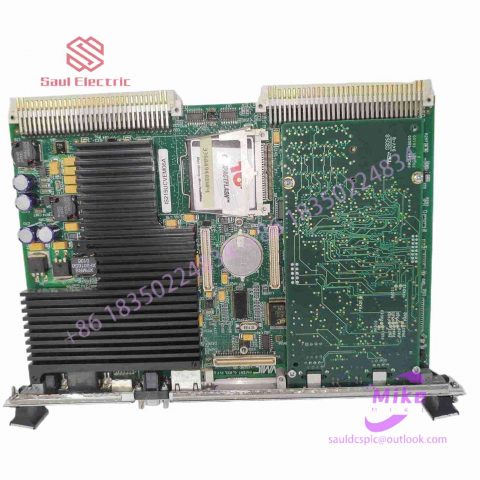
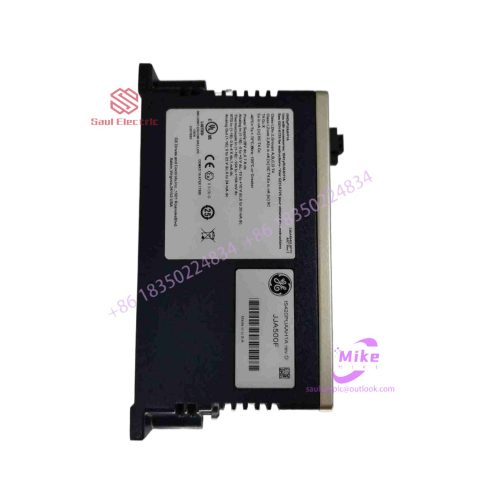
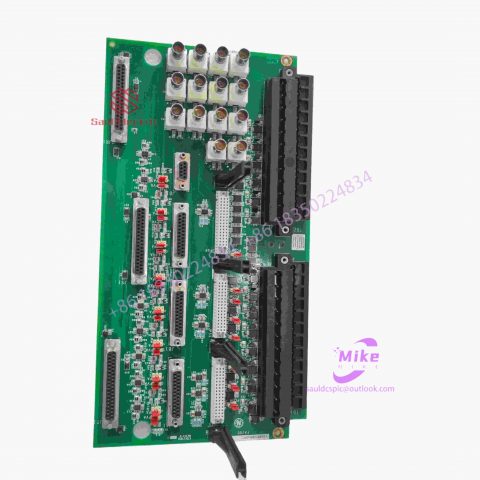
IS215UCVFH2AB Turbine Control System
IS215UCVFH2AB Product Introduction
Basic Information
Brand: GE (General Electric)
Model:IS215UCVFH2AB
Part Number: IS215UCVFH2AB
Series: Mark VIe Speedtronic Turbine Control System I/O Pack
Country of Origin: United States
Product Type: Discrete Input Module (Contact Input Module), also known as PDIA I/O Pack
contacts: Mike
+86 18350224834 (WeChat/WhatsApp)
Email:Mike18350224834@gmail.com
 Functional Overview
The IS215UCVFH2AB is a 24-channel discrete (digital) input module in the GE Mark VIe control system. Its primary function is to collect discrete signals (contact open/close signals) generated by field devices such as sensors,
switches, and relays, convert them into digital signals that can be recognized and processed by the PLC or control system CPU,
and transmit the processed data to the GE Speedtronic turbine control system or other control equipment, enabling automated control and monitoring. Key Technical Specifications
Rated Voltage: 24.0 VDC (Nominal)
Maximum Rated Voltage: 28.6 VDC
Maximum Rated Contact Input Voltage: 32 VDC
Number of Input Channels: 24 Discrete Inputs
Operating Temperature Range: -30°C to +65°C
Environmental Adaptability: Passes rigorous environmental testing, capable of long-term stable operation in harsh industrial environments Compatible Terminal Boards
The IS215UCVFH2AB can be paired with a variety of GE terminal boards, including but not limited to:
IS200STCIH1A / IS200STCIH2A
IS200STCIH8A
IS200TBCIH2C / IS200TBCIH4C
IS400STCIH1A / IS400STCIH2A / IS400STCIH8A
IS400TBCIH2C Certifications and Safety
This module is UL certified and can be used in both hazardous and non-hazardous locations. The UL certification covers various classes and divisions, and relevant UL mark documents are available for reference.
Shandong’s policies are more specific. In addition to financial incentives, land supply, tax incentives, etc., it also mentions improving the first (set) of major technical equipment research and development and market promotion support policies, and accelerating independent innovation and industrialization of high-end products. Encourage provincial equity investment guidance funds to tilt towards the high-end equipment field, give full play to the leverage and amplification effect of fiscal funds, and attract and leverage social capital to increase investment.
How can local governments effectively support high-end manufacturing?
Analysts believe that when formulating development plans for high-end manufacturing, local governments must first conduct thorough research and research on the industry, find a development path that suits them, and formulate policies that suit the laws of industrial development. For example, Chongqing has a developed automobile industry, Shanghai has a strong industrial foundation in large aircraft, chips and robot manufacturing, and Shandong has a certain technical foundation in marine engineering equipment and rail transit equipment. We should leverage our strengths and avoid weaknesses and formulate policies based on local conditions.
Second, local policies should not pursue automation and intelligence one-sidedly and support a number of face-saving projects that are blooming everywhere. For example, in the past two years, my country’s robot industrial parks have blossomed all over the country, and local governments have used subsidies and tax incentives to support a number of low-end, small and weak “intelligent manufacturing” robot industries.
Third, local governments’ understanding of high-end manufacturing needs to be further deepened, and automation cannot simply be equated with high-end manufacturing. Local governments use subsidies to guide companies to purchase high-end automation equipment, but companies must also use good technology instead of expensive technology based on actual conditions. The case of Tesla’s over-reliance on automation causing a production capacity crisis should be taken seriously.
Fourth, neither local governments nor enterprises can rely solely on buying and selling to promote high-end manufacturing. The government should guide and encourage technological innovation and seek long-term development.
Generally speaking, enterprises should be closer to the market in terms of their own development and industry needs, and the government should create a policy environment more conducive to enterprise innovation, such as tax cuts, streamlining administration and delegating powers, etc., to help enterprises reduce costs as much as possible and give them the greatest benefits. Expansion capacity.

There are no reviews yet.