
 HONG KONG SAUL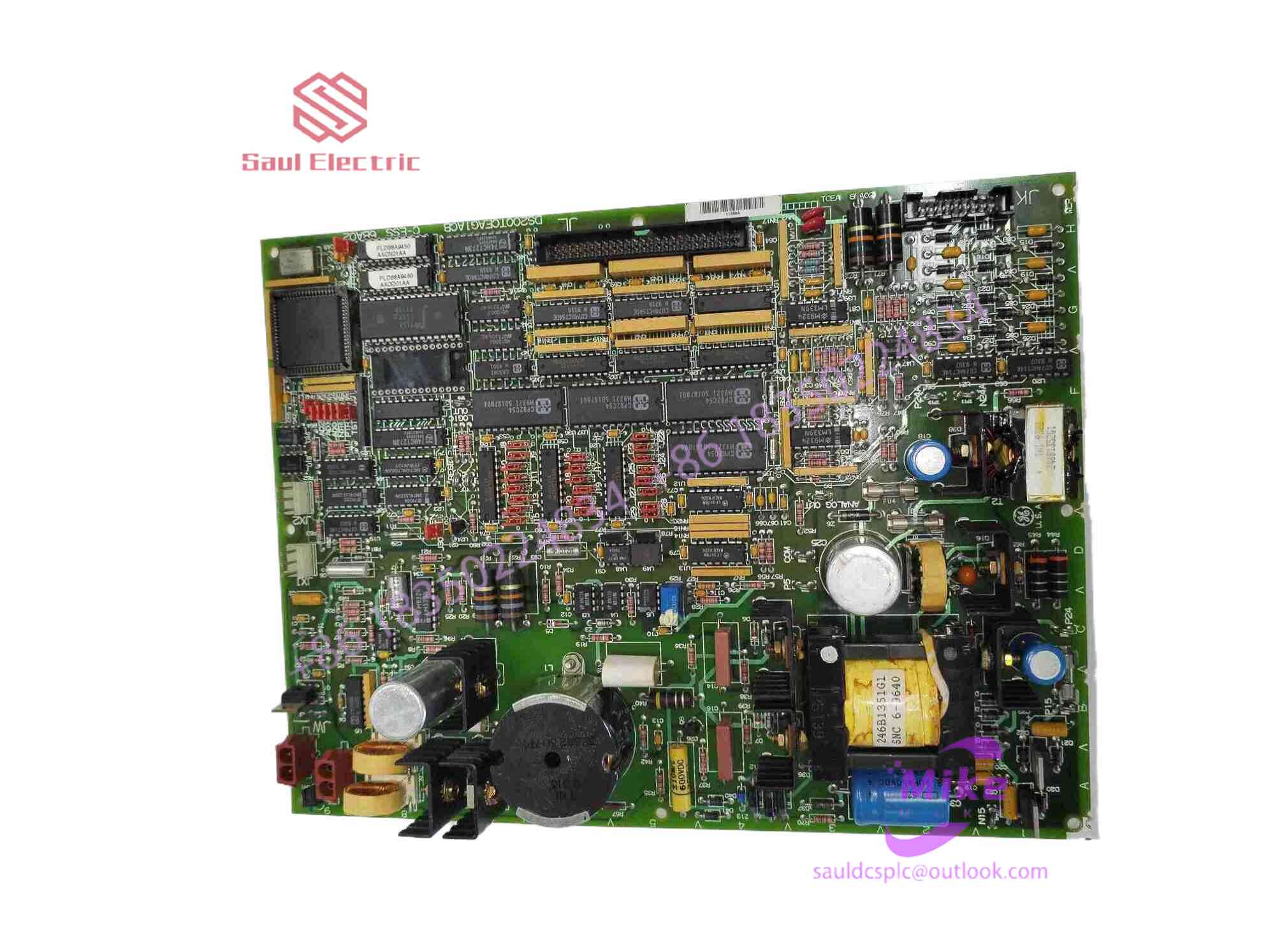

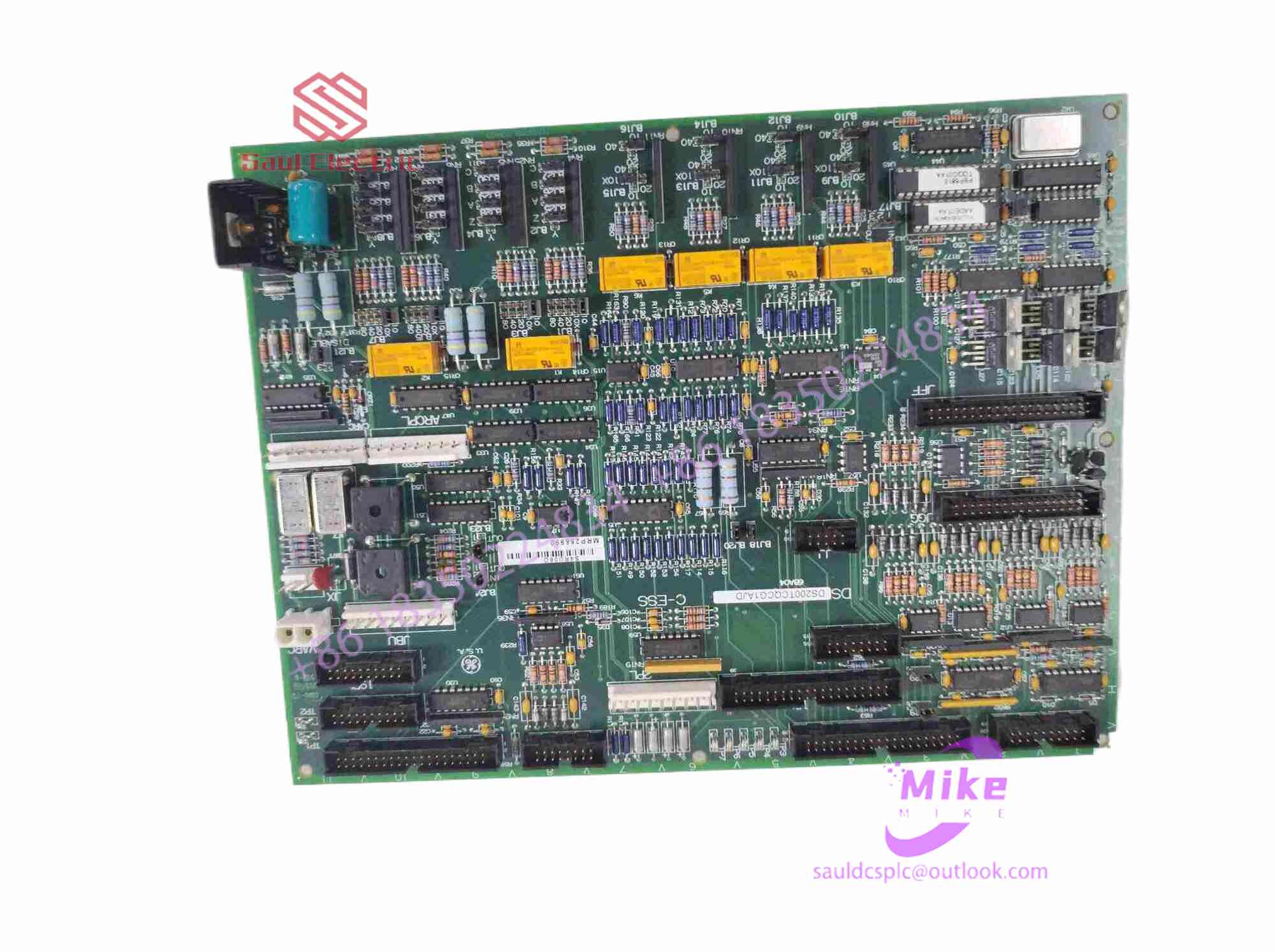
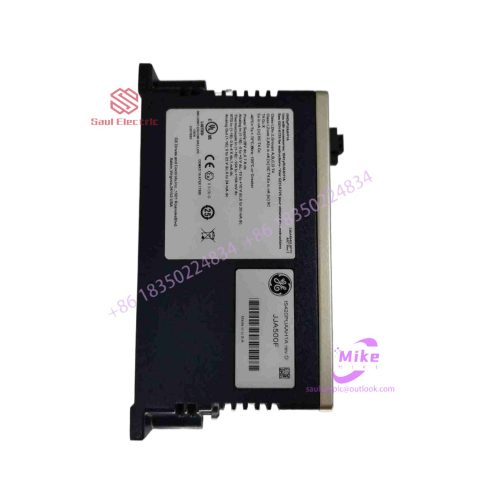
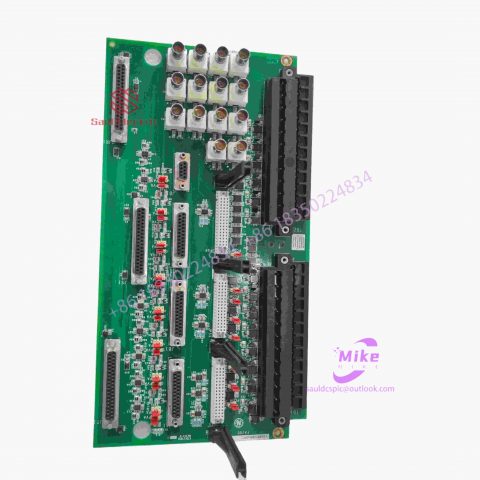
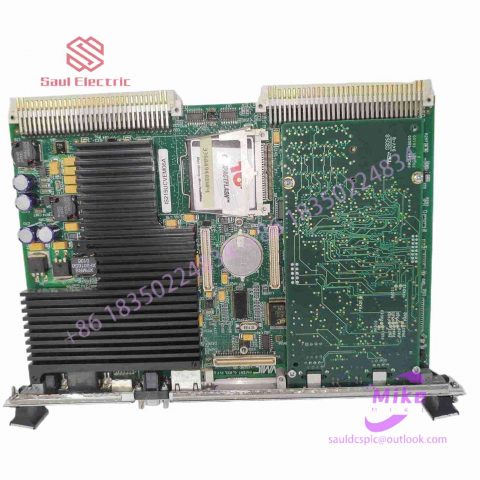
IS420PVIBH1B 24 channel output module
IS420PVIBH1B Product Introduction
Basic Information
Brand: GE (General Electric)
Model:IS420PVIBH1B
Part Number: IS420PVIBH1B
Series: Mark VIe Speedtronic Turbine Control System I/O Pack
Country of Origin: United States
Product Type: Discrete Input Module (Contact Input Module), also known as PDIA I/O Pack
contacts: Mike
+86 18350224834 (WeChat/WhatsApp)
Email:Mike18350224834@gmail.com
 Functional Overview
The IS420PVIBH1B is a 24-channel discrete (digital) input module in the GE Mark VIe control system. Its primary function is to collect discrete signals (contact open/close signals) generated by field devices such as sensors,
switches, and relays, convert them into digital signals that can be recognized and processed by the PLC or control system CPU,
and transmit the processed data to the GE Speedtronic turbine control system or other control equipment, enabling automated control and monitoring. Key Technical Specifications
Rated Voltage: 24.0 VDC (Nominal)
Maximum Rated Voltage: 28.6 VDC
Maximum Rated Contact Input Voltage: 32 VDC
Number of Input Channels: 24 Discrete Inputs
Operating Temperature Range: -30°C to +65°C
Environmental Adaptability: Passes rigorous environmental testing, capable of long-term stable operation in harsh industrial environments Compatible Terminal Boards
The IS420PVIBH1B can be paired with a variety of GE terminal boards, including but not limited to:
IS200STCIH1A / IS200STCIH2A
IS200STCIH8A
IS200TBCIH2C / IS200TBCIH4C
IS400STCIH1A / IS400STCIH2A / IS400STCIH8A
IS400TBCIH2C Certifications and Safety
This module is UL certified and can be used in both hazardous and non-hazardous locations. The UL certification covers various classes and divisions, and relevant UL mark documents are available for reference.
ABB and Irisbond team up to develop a robot that can be controlled with the eyes
Switzerland’s ABB, one of the four major families of industrial robots, teamed up with Spanish eye-tracking software developer Irisbond to create a robot that can be controlled with the eyes.
The robot is currently in the concept demonstration stage. When working, users can control the robot’s manipulator by moving their eyes. When using it, people only need to look at the chessboard with the same physical layout on the screen in front of them, and move by looking at specific parts on the board and the physical parts of the robot hand.
One of the significances of this invention is that it can help paralyzed patients who have difficulty moving their hands play chess.
As shown in the picture above, the robot has a white body, a camera on the “head”, and black key robotic arms. It has multiple degrees of freedom and can move flexibly after receiving instructions. The robot’s hand has two “fingers” that can complete actions such as holding chess pieces, cooperating with the arm to move to the command position, and playing chess.
Providing eye control software support for the project is Spanish technology startup Irisbond. The company’s eye tracking technology is mainly based on infrared eye tracking technology, which uses a camera to shoot infrared light to the user and analyze the changes in the reflected light from the user’s eyes. In terms of application, this technology can not only be used to play chess, but also help disabled people communicate with the outside world through eye control.
Swedish automation giant ABB is building a “future factory” in my country to use robots to manufacture robots
According to comprehensive media reports, Swedish automation giant ABB invested US$150 million to build a “future factory” in Shanghai, scheduled to be completed in 2020. It is a factory that “makes robots with robots”, but the cutting-edge robot technology it produces cannot meet demand . , which in turn will feature “collaborative automation solutions” (called cobots), allowing robots to work with humans rather than replace them.
China will promote the automation strategy characterized by this and thus reshape the world robot market. The picture shows a customer service robot being inspected at a factory in Lianyungang, Jiangsu Province on December 4, 2018.

There are no reviews yet.