
 HONG KONG SAUL
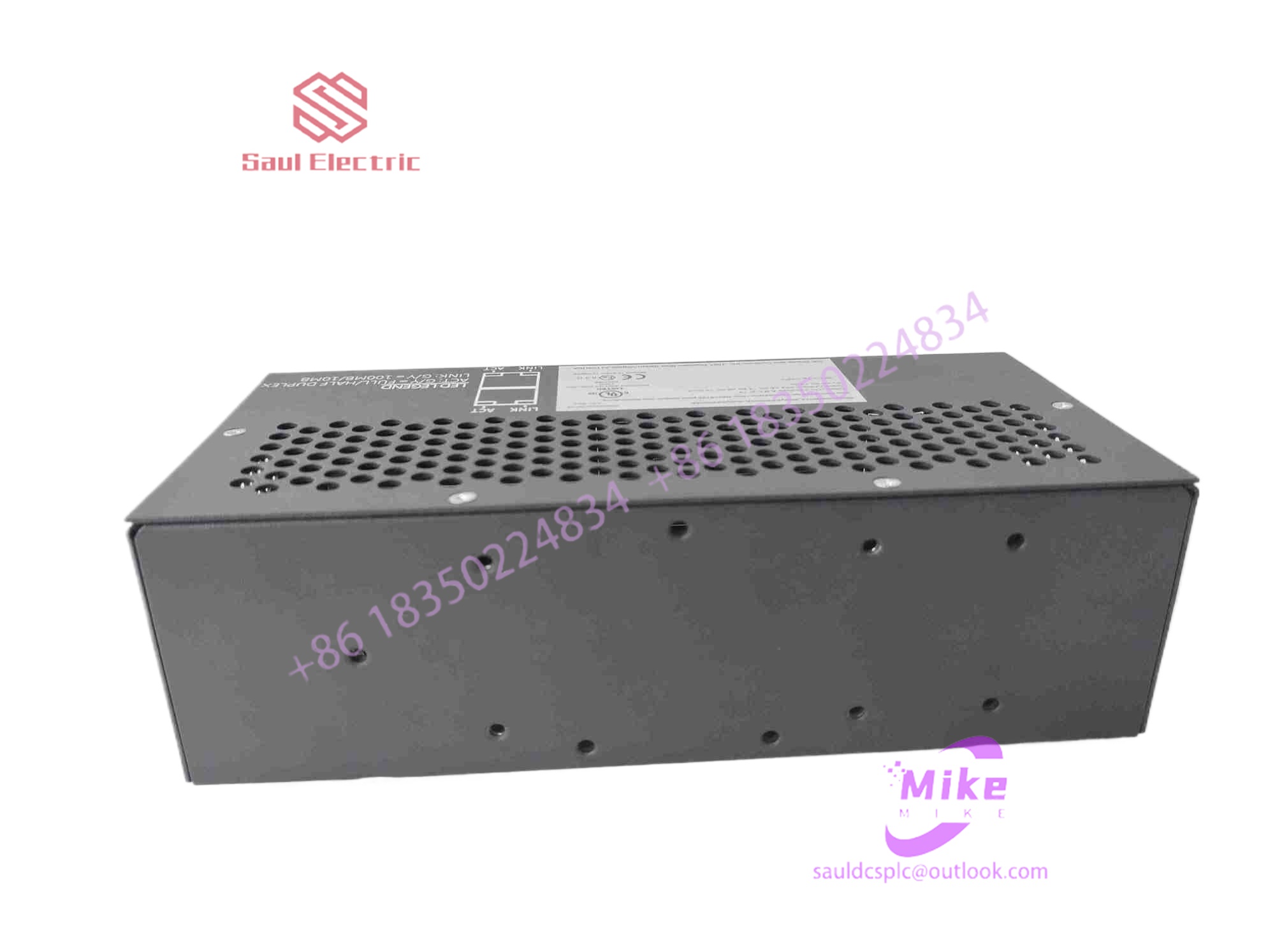
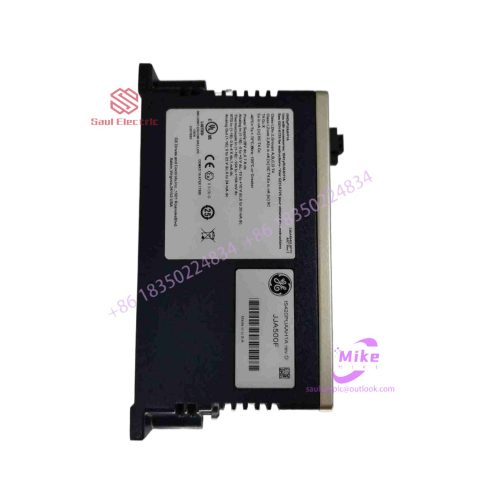
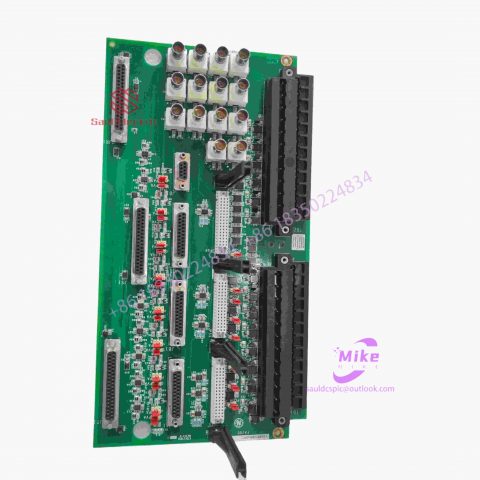
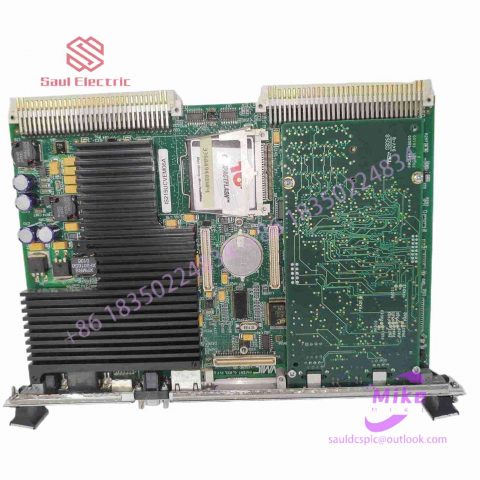
IS430SNUAH1AC integrated circuit board
IS430SNUAH1AC Product Introduction
Basic Information
Brand: GE (General Electric)
Model:IS430SNUAH1AC
Part Number: IS430SNUAH1AC
Series: Mark VIe Speedtronic Turbine Control System I/O Pack
Country of Origin: United States
Product Type: Discrete Input Module (Contact Input Module), also known as PDIA I/O Pack
contacts: Mike
+86 18350224834 (WeChat/WhatsApp)
Email:Mike18350224834@gmail.com
 Functional Overview
The IS430SNUAH1AC is a 24-channel discrete (digital) input module in the GE Mark VIe control system. Its primary function is to collect discrete signals (contact open/close signals) generated by field devices such as sensors,
switches, and relays, convert them into digital signals that can be recognized and processed by the PLC or control system CPU,
and transmit the processed data to the GE Speedtronic turbine control system or other control equipment, enabling automated control and monitoring. Key Technical Specifications
Rated Voltage: 24.0 VDC (Nominal)
Maximum Rated Voltage: 28.6 VDC
Maximum Rated Contact Input Voltage: 32 VDC
Number of Input Channels: 24 Discrete Inputs
Operating Temperature Range: -30°C to +65°C
Environmental Adaptability: Passes rigorous environmental testing, capable of long-term stable operation in harsh industrial environments Compatible Terminal Boards
The IS430SNUAH1AC can be paired with a variety of GE terminal boards, including but not limited to:
IS200STCIH1A / IS200STCIH2A
IS200STCIH8A
IS200TBCIH2C / IS200TBCIH4C
IS400STCIH1A / IS400STCIH2A / IS400STCIH8A
IS400TBCIH2C Certifications and Safety
This module is UL certified and can be used in both hazardous and non-hazardous locations. The UL certification covers various classes and divisions, and relevant UL mark documents are available for reference.
Human-machine collaborative robot technology from seven major companies including ABB and SIASUN
Human-machine collaborative robot is a new type of robot that can work directly side by side with humans without the need for isolation by safety fences. Human-machine collaborative robots are expected to fill the gap between fully manual assembly lines and fully automated production lines. In the past, people often talked about robots replacing human labor, but now robots are considered more of auxiliary tools. The rigid boundaries between automation and manual labor are gradually being dissolved. Efficient sensors, intelligent control technology and the most advanced software technology are integrated on the robot to ensure that humans and robots can cooperate safely without guardrails and can be flexibly applied without limiting locations and tasks. With this approach, employees can use the required number of robots at different production locations and for different purposes depending on the required piece quantity.
Advantage
Such sensitive robots can therefore be used, for example, as flexible production assistants in manufacturing and relieve employees by taking on manual work steps that previously could not be automated and were not ergonomically correct. For example, by taking on overhead tasks or lifting heavy objects, the burden on employees can be significantly reduced. Repeatable processes can be carried out with extremely high quality without the need for investments based on type or workpiece.
Representative product introduction
1.ABB’s first human-machine collaborative robot YuMi
abb’s first human-machine collaborative robot, the 14-axis robot YuMi, was announced by UL (Underwriters Laboratories) on September 22, 2015 to have obtained UL safety certification, highlighting its key safety design with human-machine collaboration capabilities. UL stated that ABB’s first dual-arm industrial robot YuMi that emphasizes human-machine collaboration has obtained the robot safety certification from UL. This not only brings indexical significance to the unit robot’s move towards human-machine interaction, but also ignites industrial momentum and provides support for the sustainable development and development of the robot industry. Popularize the use of injectable cardiotonic injections.
Tang Jiade, general manager of UL Taiwan, said, “The certification process for robots with human-machine collaboration and multiple axes is complicated. Taking YuMi’s 14-axis arms as an example, there are 14 degrees of freedom for translation and rotation. Combining them produces more With fast movements, UL relies on its professional experience in safety to simulate various failure scenarios for evaluation based on different applications of robots to ensure that the robot can not only interact smoothly with people, but also interact smoothly with people in every situation. Be able to self-detect and maintain safety and reliability.”
Cai Jingchun, associate director of ABB Taiwan’s industrial robot department, said, “ANSI/UL1740 robot and automation equipment standard is not only a commercial standard, but also a national standard recognized by the American National Standards Institute (ANSI). It has been certified by UL with global credibility, symbolizing YuMi’s Safety design has been rigorously and objectively evaluated and tested, and can lead the global industry to truly enter Industry 4.0/advanced manufacturing.”
2. Universal Robots’ flexible and safe full range of collaborative robot families
Universal Robots is a pioneer in a new segment of collaborative robots that focuses on user operability and flexibility. At the Shanghai International Automobile Manufacturing and Assembly Exhibition from August 26 to 28, 2015, Universal Robots’ full range of collaborative robot families were unveiled.
The “human-robot collaboration” function of UR robots allows employees to work safely and closely with robots. The unique force sensing allows it to automatically limit the amount of force generated during contact once it collides with a person. For example, the default force sensing upper limit is set to a force of 150 Newtons. That is, once a person comes into contact with the robot and a force of 150 Newtons is generated, the UR robot will automatically stop working. But it can also be adjusted to automatically stop working once it encounters a force as low as 50 Newtons on the working path. In addition, the UR robot has an intuitive user programming interface, and the robot movement direction can be controlled by clicking the arrows on the touch panel. For workers, simple installation, debugging, and programming can be completed without professional technical background or professional programming experience. These unique advantages have made UR robots favored by many automobile manufacturers around the world.
Universal Robots currently has three collaborative robots – UR3, UR5 and UR10. The newly launched UR3 in March 2015 is the most flexible and lightweight desktop robot on the market today that can work side by side with workers. It weighs only 11 kilograms, but has a payload of up to 3 kilograms. All wrist joints can rotate 360 degrees, and the end joints can rotate infinitely. UR5 has a dead weight of 18 kg, a payload of up to 5 kg, and a working radius of 85 cm. UR10 can carry 10 kg and has a working radius of 130cm. All three robots are renowned in the industry for their ease of programming, collaboration, safety and reliability when working with people.
It is reported that the UR robot also has an intuitive user programming interface

There are no reviews yet.